How to cut your dog's nails safely
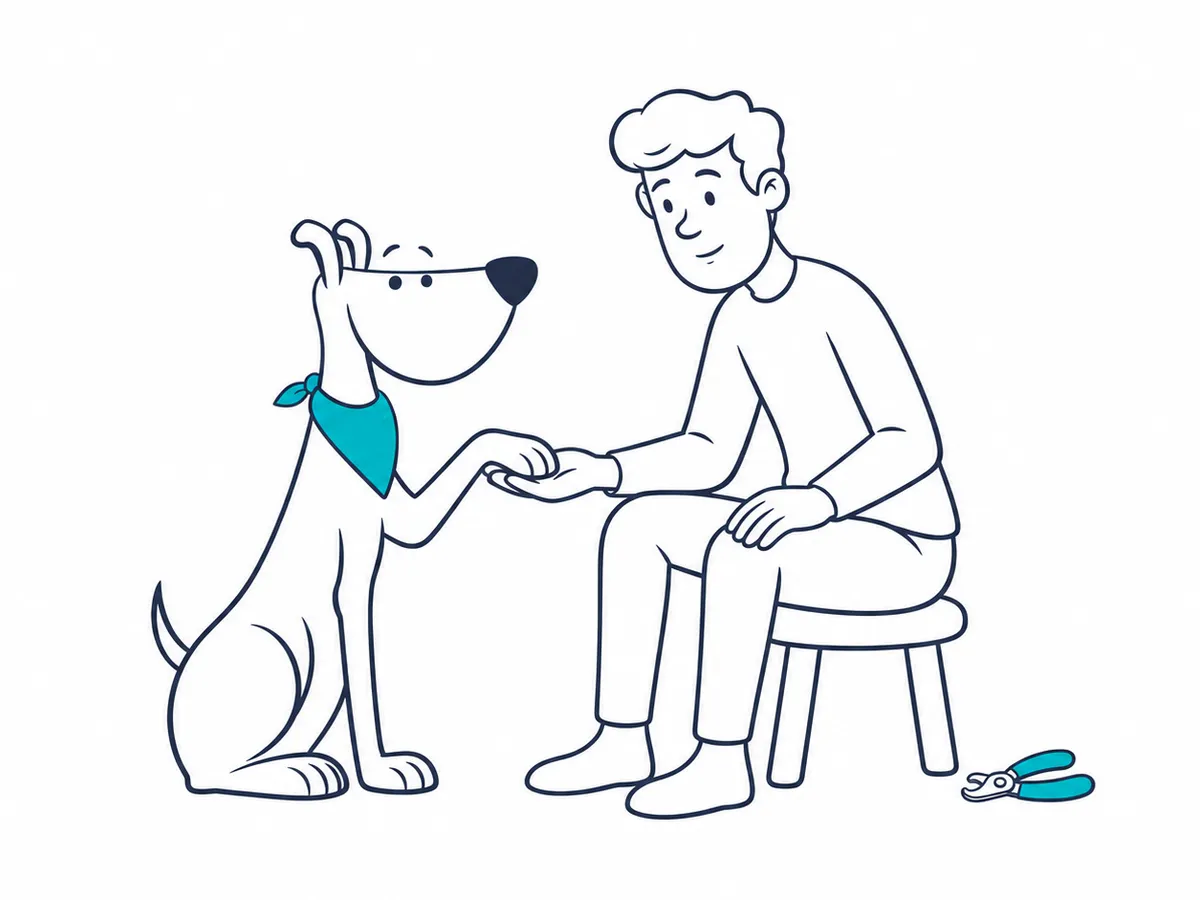
To cut your dog’s nails, first check that they need trimming and that your dog is comfortable having their paws handled. Use dog nail clippers and remove only the excess tip, leaving a margin before the sensitive tissue inside. If you cannot tell where to cut, your dog is in pain or they resist, stop and ask your veterinary practice for a demonstration.
You do not have to finish every paw in one sitting. A short, relaxed session is a better starting point than following your dog around with the clippers.
When does a dog need their nails trimmed?
It depends on growth and wear: there is no schedule that suits every dog. Check the dewclaws, which sit higher up on the inside of some legs, because walking often does less to wear them down.
Look for a nail curling towards the pad or one that seems noticeably different from the others. Clicking on a hard floor alone does not prove a trim is needed. If you are unsure, take this question to your next veterinary appointment: “Which nails need trimming, and how much length should I leave?”
Limping, pain, swelling or a nail growing into the pad calls for more than a grooming session. Also, frequent paw licking can have other causes that need assessment.
Before trimming: prepare the space and your dog
Have dog nail clippers, good lighting and familiar treats ready. Choose a stable, non-slip surface. Do not use household scissors or human nail clippers.
Practise without cutting first: show the tool, reward calm behaviour and put it away. At another time, briefly touch a paw and release it. Progress only while your dog remains comfortable; pulling a paw away, tensing up or trying to leave means it is time for a break.
You can note what went well on paper: “seeing the clippers”, “touching a paw”, “checking one nail”. This gives your next session a familiar starting point instead of making completion the only goal.
How to trim dog nails step by step
1. Identify the area you must avoid
Inside the nail is tissue containing blood vessels and nerves, known as the quick. It usually looks pink in pale nails. Cutting it causes pain and bleeding. Ask your veterinary team to show you how to recognise it on your own dog’s nails, not just in a diagram.
2. Trim only when you can see a safe margin
Support the paw gently without twisting it. If you can clearly identify the boundary, remove a small excess tip, leaving several millimetres between the cut and the quick. If visibility is poor, improve the lighting or leave the trim to a professional; do not guess.
3. Reward your dog and decide whether to continue
After one nail, release the paw and offer a treat. You can stop there. Check the dewclaws without assuming that they need the same trim as the nails that touch the ground.
What if my dog has black nails?
Dark nails hide the quick, making it harder to judge how much to remove. If you lack experience or cannot identify a safe margin, ask your veterinary team for help. Do not copy the length of another nail or another dog’s nails: the outside does not show you how far the sensitive tissue extends.
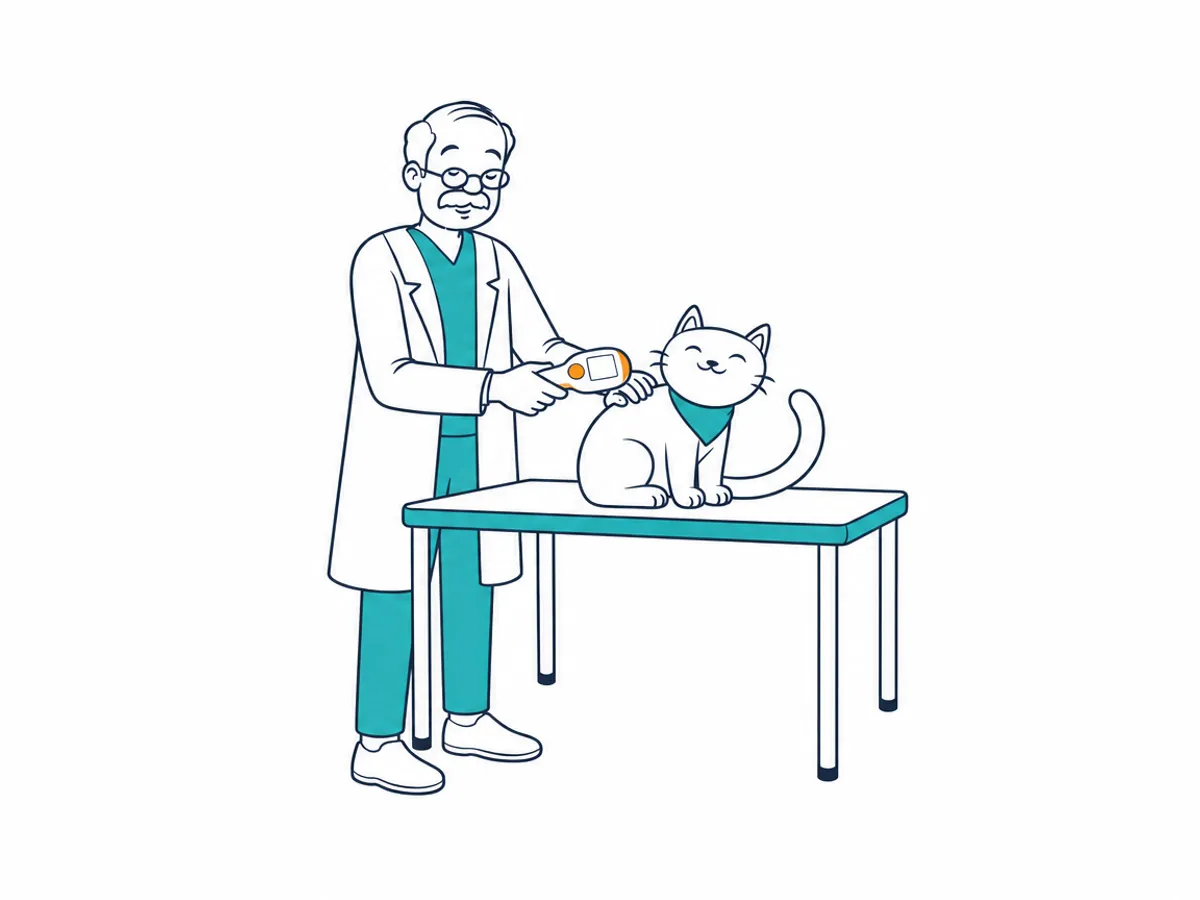
Take your clippers to the appointment so the team can check that they are suitable and demonstrate their use. Your first visit can be a chance to learn even if the professional does the trimming.
If a nail bleeds or you notice an injury
Stop trimming. Keep your dog calm, apply gentle pressure with clean gauze if you can do so without a struggle, and contact your veterinary practice for advice. If bleeding does not stop, is heavy or involves a painful break, seek veterinary care rather than continuing to handle the nail.
Do not pull off fragments or attempt to trim a nail embedded in the pad. Do not carry on with the remaining nails to “get it over with” either: deal with what happened first.
Common mistakes and a simpler routine
- Trimming by the calendar: check each nail’s actual condition.
- Mistaking stillness for comfort: staying still is not enough if your dog looks tense or frightened.
- Pushing on after a difficult attempt: note what happened and seek help before trying again.
- Learning several tasks at once: keep this practice separate from other care, such as getting your dog used to toothbrushing.
To help organise your dog’s care, take a look at Miwuki Pet Life. Also make a note of the check-up date and your vet’s instructions.
Conclusion
Cutting your dog’s nails starts with deciding whether a trim is needed and whether you can both approach it calmly. If you are unsure where to cut, especially with black nails, asking for a demonstration is part of good care. The aim is comfortable walking and a less worrying experience next time.