How to toilet train your dog to go outside
To teach your dog to toilet outside, provide frequent opportunities to go out and reward them immediately after they finish in the right place. Supervise indoors and clean up accidents without punishment. Learning takes practice: puppies and newly adopted adult dogs may both need support, although for different reasons.
Finding another puddle can be frustrating. Before assuming your dog is doing it deliberately, consider whether they had a realistic chance to go out, what they were doing beforehand and whether their health has changed.
Prepare a plan everyone can follow
Choose a quiet, accessible outdoor spot and agree who will take your dog out. A secure garden and a busy street offer very different experiences. For a puppy, ask your vet which places are suitable given their protection and local risks; our guide to puppy vaccination schedules explains why the plan is individual.
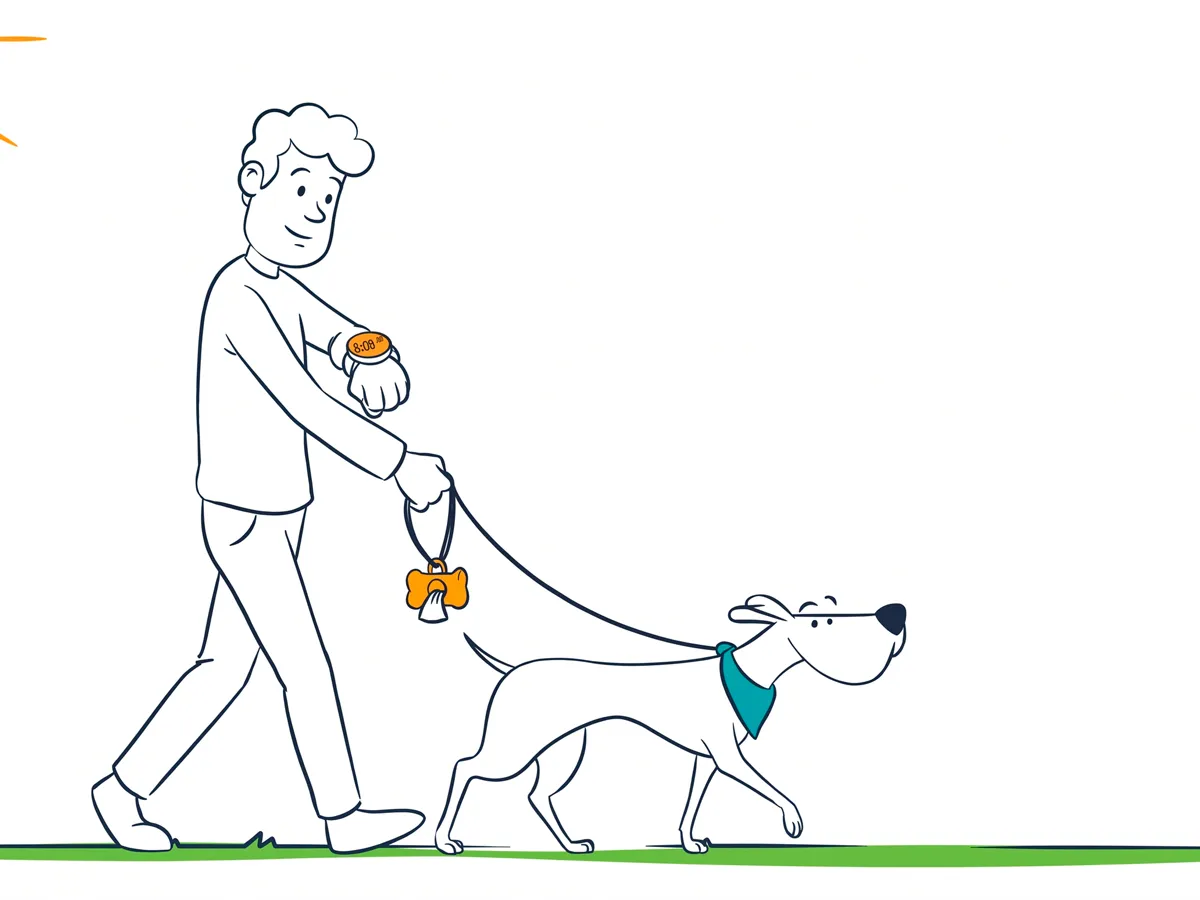
You can keep a small walking kit near the door: a lead, waste bags and treats suitable for their diet. Having it ready saves searching when your dog already needs to go. Keep the treats tucked away until it is time to reward them.
When to offer a toilet break
Dogs Trust recommends opportunities after waking, eating, drinking or playing. Watch for sniffing the floor, circling or beginning to squat too. Do not expect every dog to ask to go out in the same way.
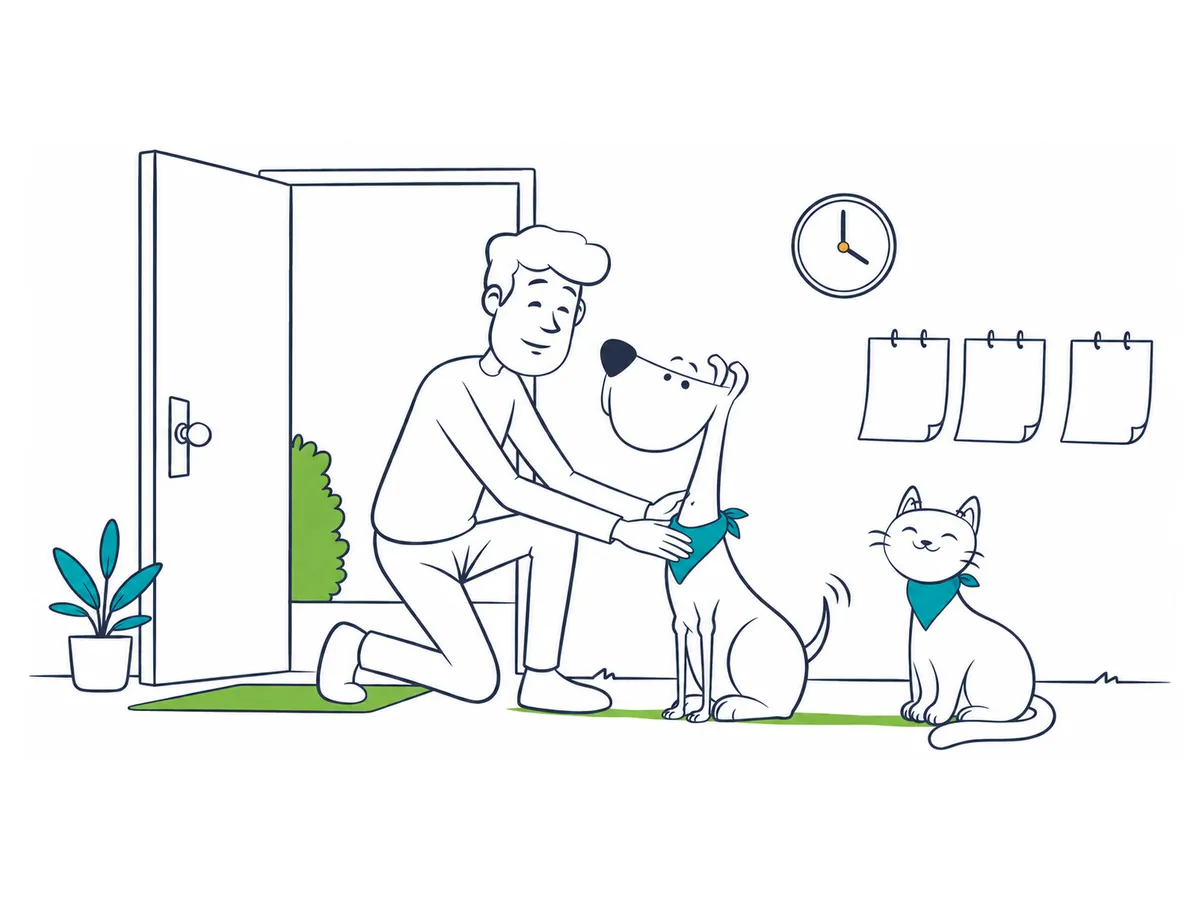
Note what happens in your home. For example: “After the nap we went straight outside and they peed; after play we were slow to go out and there was an accident.” This is a sample record, not a compulsory timetable. You can organise care reminders in Miwuki Pet Life and share observations with other carers.
What to do when you go outside
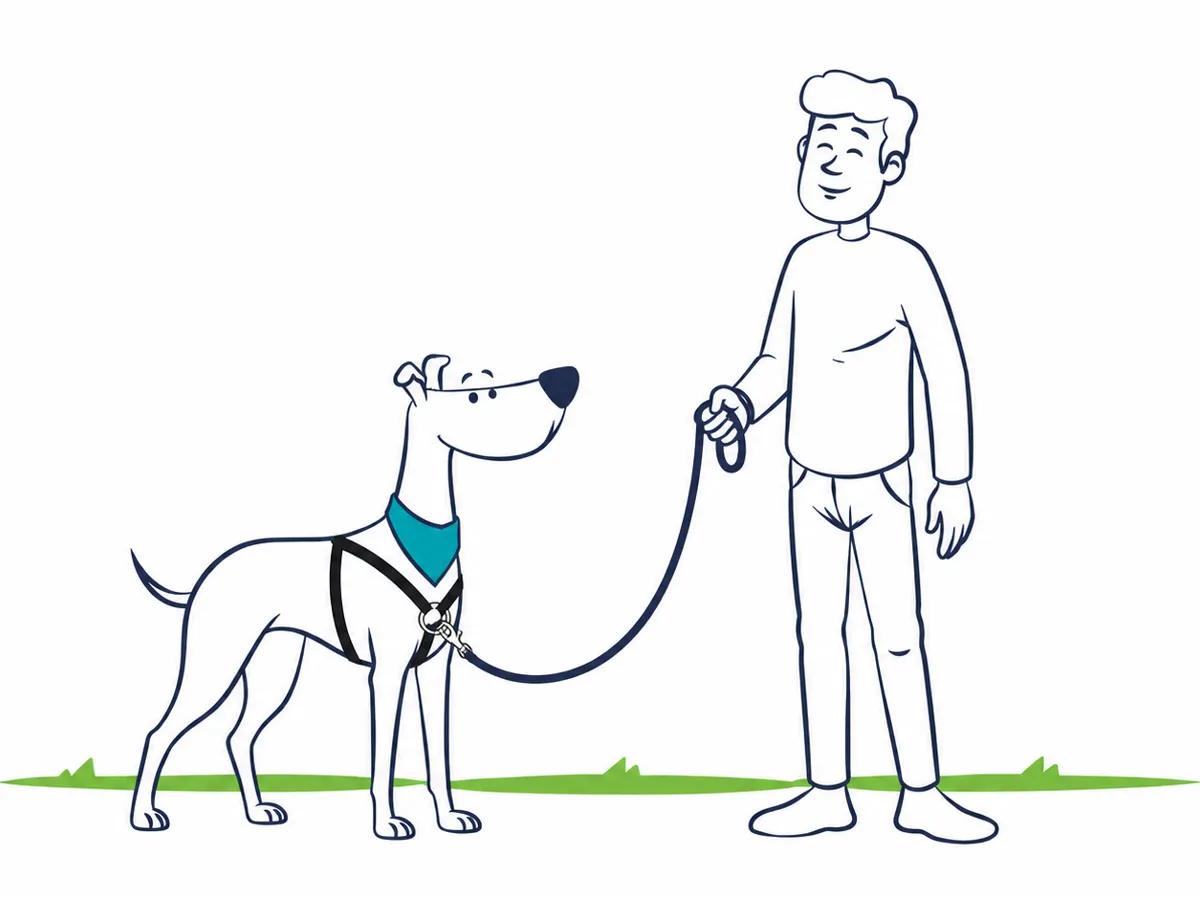
- Calmly accompany your dog to the chosen spot, keeping safe control of the lead where needed.
- Allow time to sniff without turning the break into a game or a string of commands.
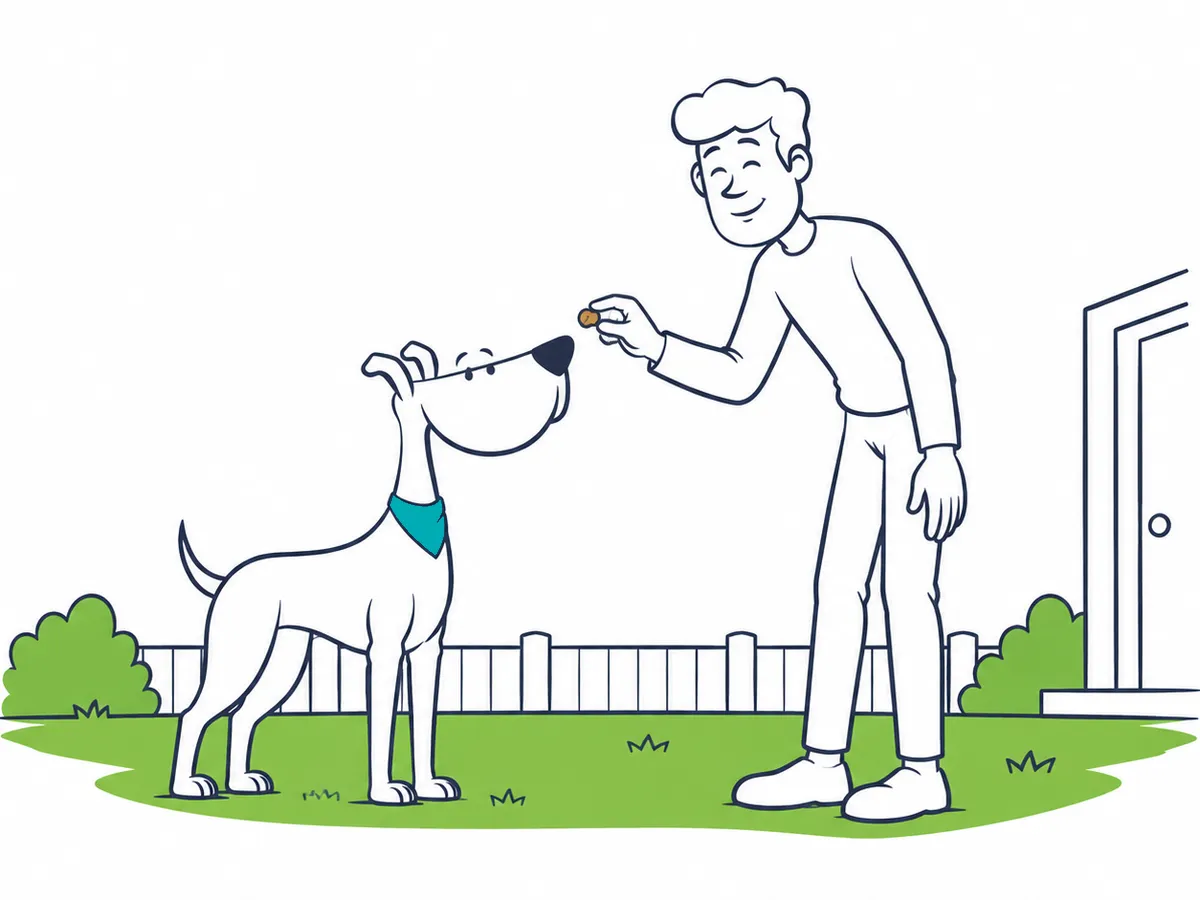
- Reward them there as soon as they finish. Waiting until you reach the front door makes it harder to connect the reward with what just happened.
- If possible, continue the walk for a little while. The RSPCA advises against making toileting always mean the end of outdoor time.
What if they come home and then pee?
If your dog did not go outside, supervise again indoors and offer another opportunity soon. Consider whether the spot was too noisy or whether they had enough time. You do not need to extend every outing until they are exhausted or get angry when the first attempt does not work.
How to handle an accident indoors
If your dog is already peeing, stay calm. Scolding, startling them or putting their nose near the puddle does not teach the right location and may make them avoid toileting in front of you. Use a suitable urine-odour cleaning product, follow the manufacturer’s instructions and keep your dog away while cleaning.
Instead of adding up “failures”, record the context: approximate time, food, rest, play and the last outing. “We missed a break after waking up” is a useful note; “bad behaviour” does not help you adjust the plan. Do not remove drinking water to reduce accidents.
How long it takes and what changes with an adopted adult
There is no universal deadline. Age, opportunities to go out and previous learning all matter. A dog arriving in a different home may need to learn where the appropriate place is now. Our guide to helping an adopted dog settle in provides context, but it does not set a deadline for toilet training.
If you are not seeing progress, review your notes with a reward-based trainer and consult your vet if there are any health concerns.
When to seek veterinary advice
A previously house-trained dog that starts having accidents should be assessed, especially if their thirst or frequency of urination changes. If your dog tries to pee but cannot pass urine, contact a vet immediately. Do not treat this as a training problem or try home remedies.
The aim is to make success possible rather than demand that your dog holds on: prepare for breaks, recognise the signals and reward promptly. Use your notes to adapt the plan to your dog, without punishment or promises of results within a fixed number of days.