Dog scared of fireworks: what to do and how to help
If your dog is scared of fireworks, reduce their exposure to the noise, let them hide and offer calm company if they seek contact. Do not force them towards the bangs or punish them. If the fear is severe or recurring, arrange a plan with your vet before the next celebration.
If fireworks are already going off
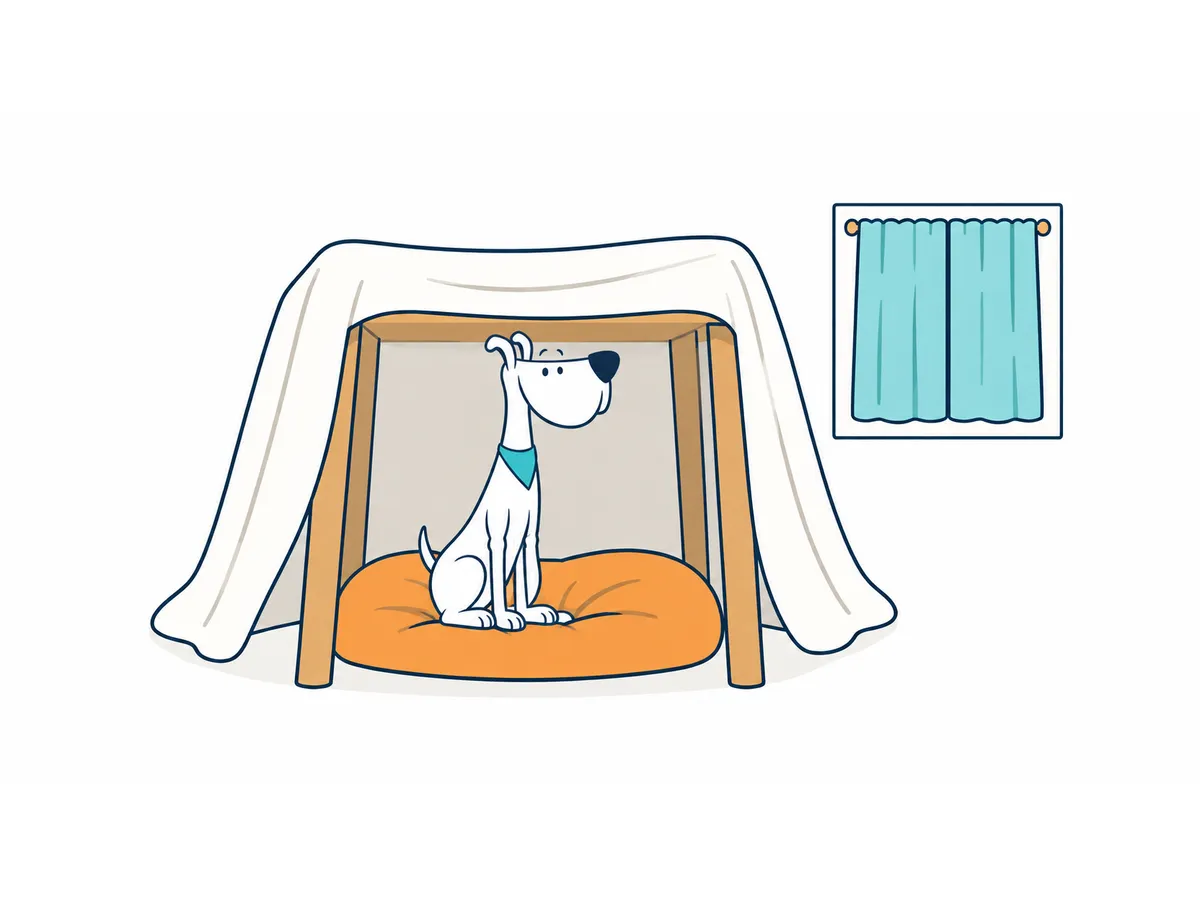
Close windows and curtains, check that your dog cannot escape and keep their quiet spot accessible. Familiar background sound may soften the bangs without making the room noisy in its own right. Do not pull a hiding dog out. If they come to you, offer quiet reassurance: ignoring them is not a requirement for helping them.
The aim that evening is to keep them safe. It is not the time to try firework recordings or insist on new exercises. For example, if they usually rest behind the sofa, clear the way there instead of pursuing them towards a newly bought bed.
Which signs should you watch for?
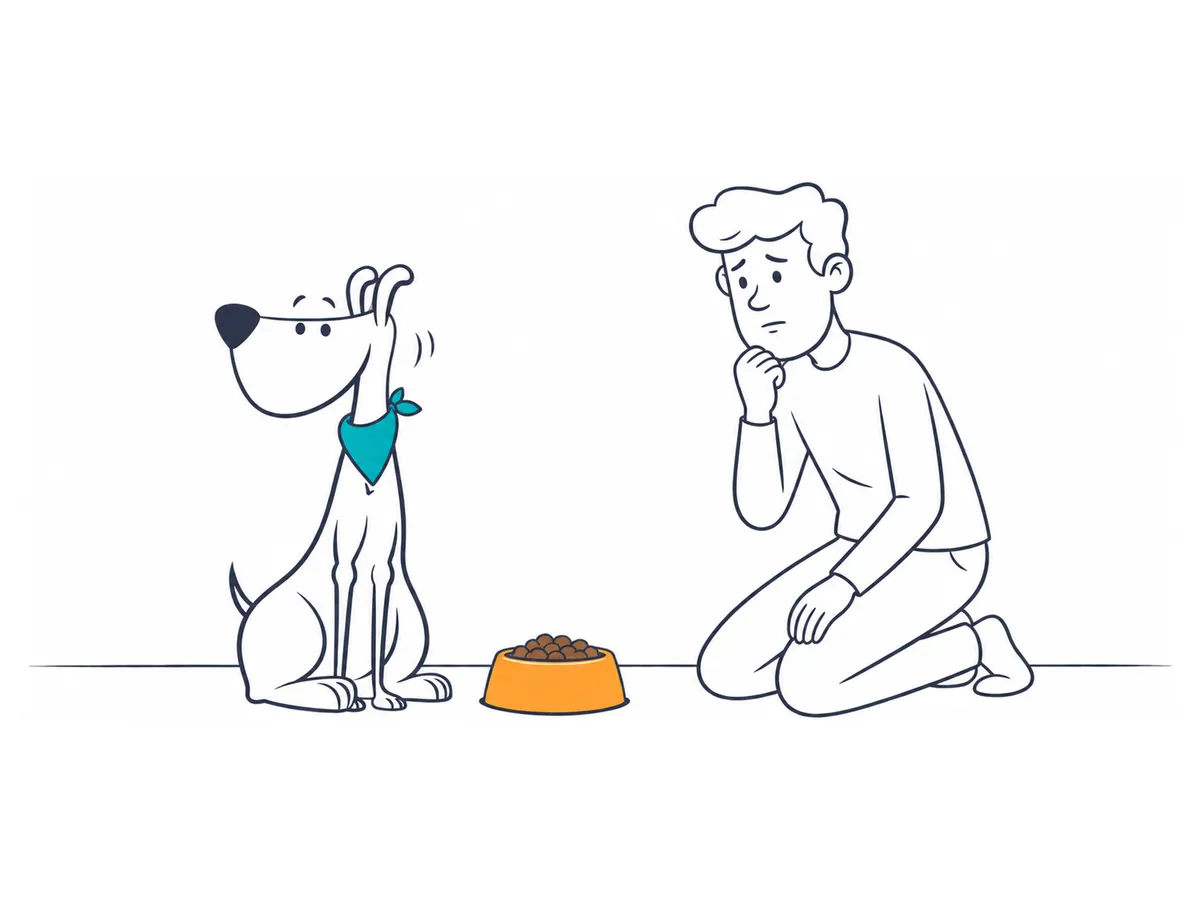
Your dog may shake, pace, hide or try to escape. They may also keep seeking you out or stop accepting food. Watch for changes from their usual behaviour; dogs do not all show fear in the same way.
If shaking happens without noise or another clear trigger, read our guide to why a dog may be shaking. Do not assume every tremor is caused by fireworks.
How to prepare for the next celebration
A familiar den they can choose to use
Set up a comfortable spot in advance, somewhere they already like resting: their bed under a table may work. They must be free to enter and leave. Keep water available and let them explore on quiet days. If they prefer another safe spot, respect that choice.
Walks and household arrangements
Check the timing of nearby events and bring walks forward to avoid noisy periods. Check the fit of their harness and use a lead; do not leave them alone in the garden during fireworks. Make sure their identification details are current.
Agree who will stay with them and where their things will be. You can build these preparations into your daily dog-care routine and explore Miwuki Pet Life as a resource for organising it.
Can recordings help with firework fear?
Gradual exposure can be part of treatment, but it does not mean turning up the volume until your dog stops reacting. Sound needs to stay at a level that does not frighten them, with progress guided by their response. If your dog is already fearful, get professional guidance; do not improvise a training session on a fireworks night.
Before the appointment, note which sounds trigger a reaction, where your dog hides, how long it takes them to return to their usual behaviour and what you have tried. A note such as “hid after the first bang, then would not go out for a walk” is more useful than “gets really upset”.
Common mistakes to avoid
- Taking your dog to watch fireworks to get them used to it.
- Scolding them for barking, hiding or urinating through fear.
- Blocking the exit from their den or insisting on strokes when they want space.
- Giving human medication, another animal’s leftover medicine or changing a prescription without advice.
When to ask your vet for help
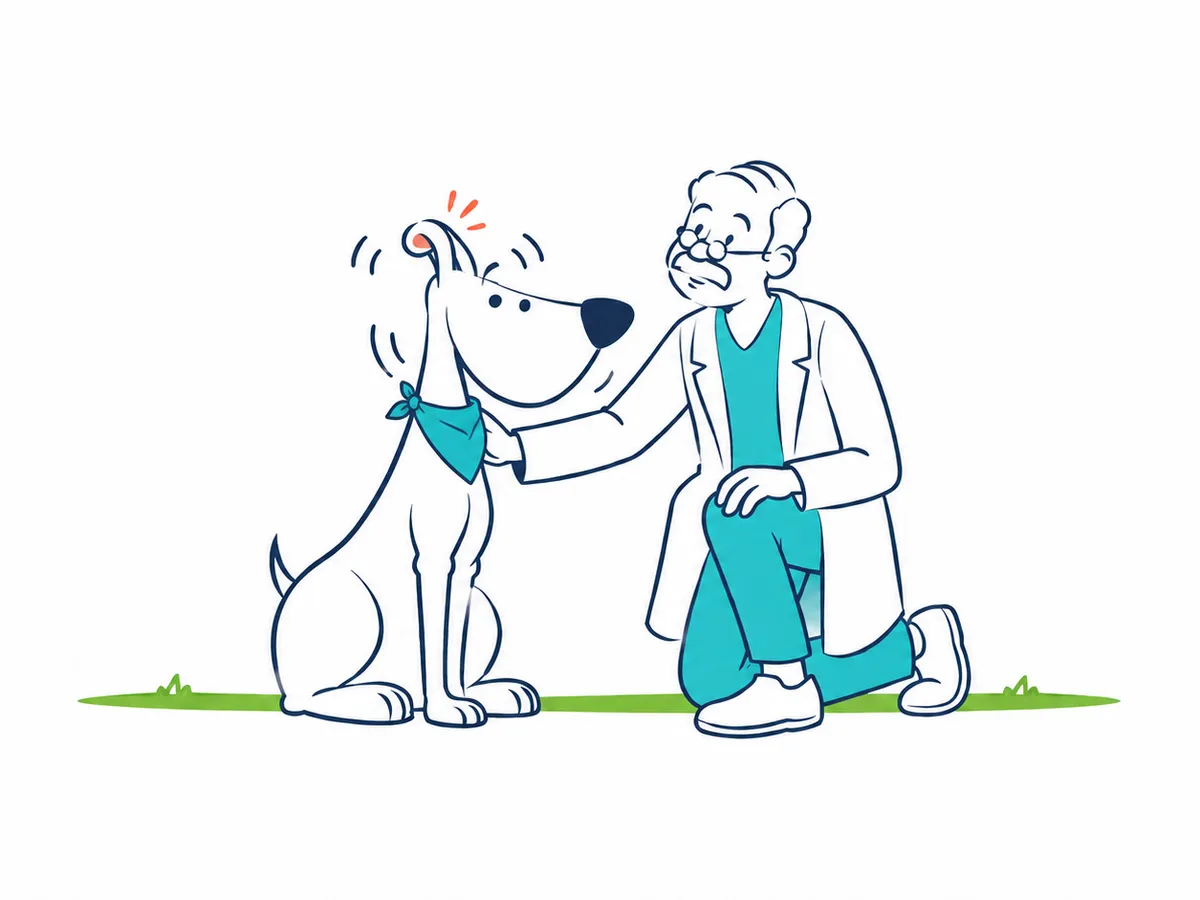
Speak to your vet if the fear is severe, persists despite practical support or starts suddenly. They can assess medical causes and treatment, including help from a behaviour specialist. Any medication must be prescribed for your dog and planned in advance; there is no universal regime for every dog.
You can review the terms of Miwuki Veterinary Insurance when planning future costs, without assuming that a behaviour consultation or an existing problem is covered.
Conclusion
Helping a dog who fears fireworks starts with safety and choice: an accessible den, company if they ask for it and an advance plan. Record what helps and what does not so you can discuss adjustments with the professional caring for them.