Dog limping: what to do and when to call the vet
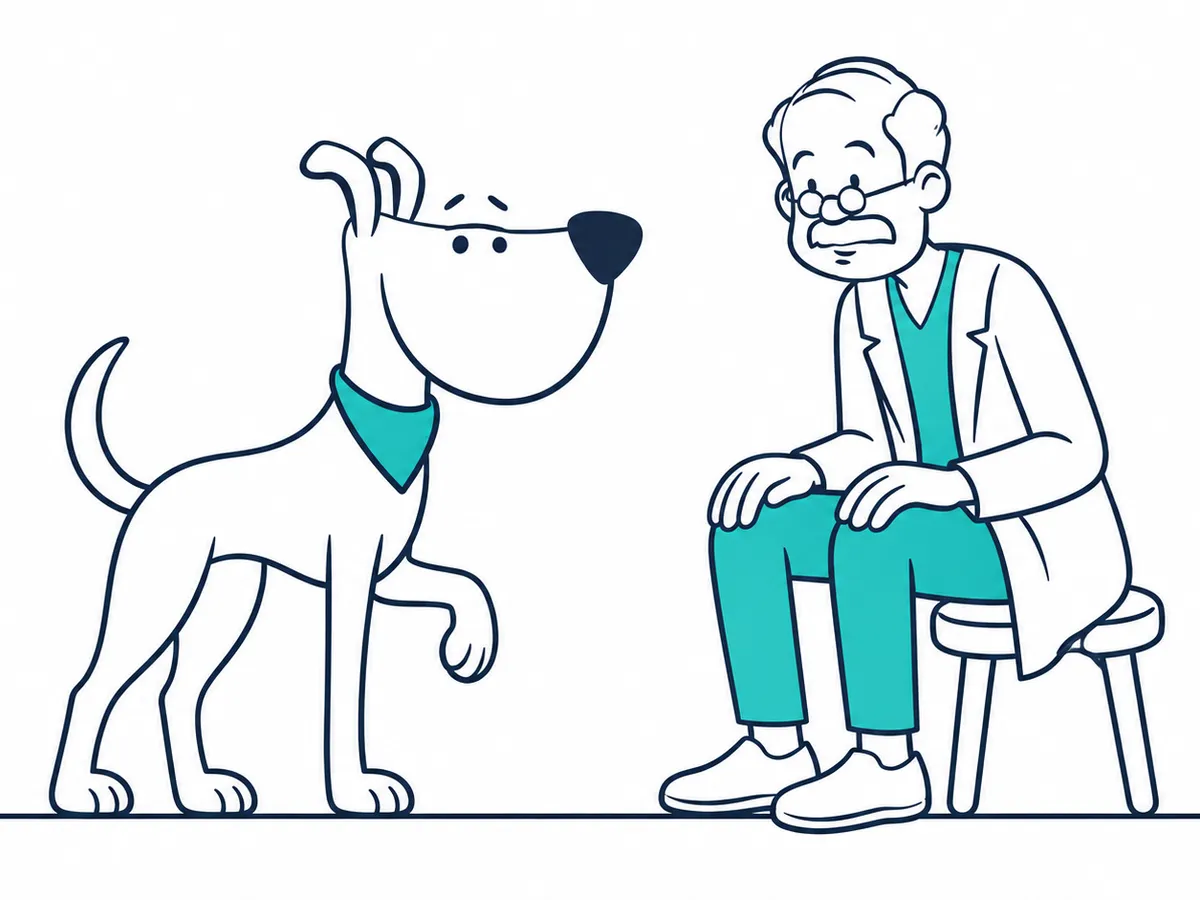
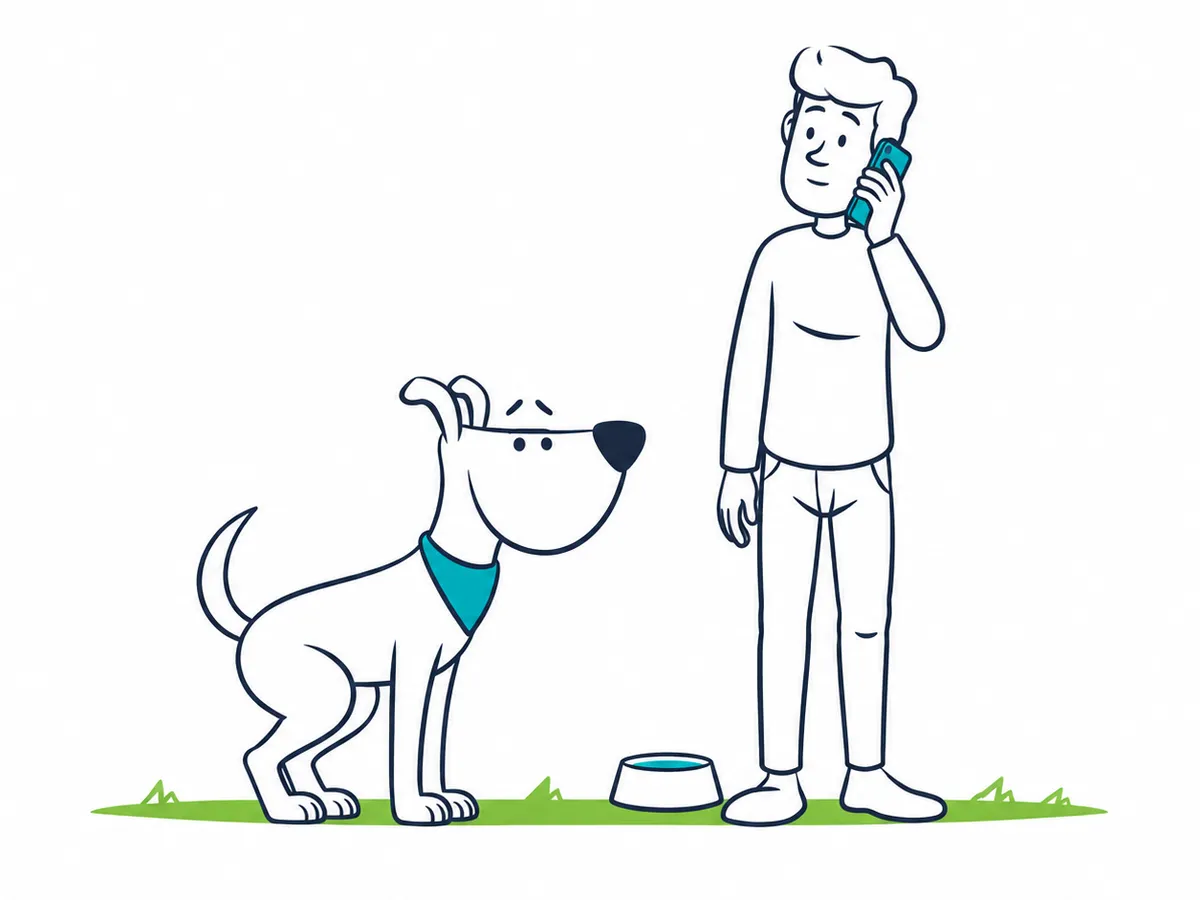
If your dog is limping, stop exercising and contact your vet. Call immediately if they cannot put weight on the leg, are in severe pain or have a serious wound. Even a mild limp needs assessment: eating normally or not crying does not rule out pain.
Seeing your dog walk differently is worrying. The most helpful steps are to reduce exertion, describe what you notice and avoid trying to put the leg “back into place”. A limp is a symptom; watching your dog walk cannot establish the cause on its own.
When your dog needs immediate attention
Do not wait to see whether it passes if your dog cannot bear weight on a limb, is in severe pain or has a serious wound. After a road accident, a significant fall or if the leg looks deformed, contact an emergency vet and ask how to transport your dog. Do not make them walk to demonstrate the injury.
If they can bear weight but are limping, still call for advice on when they should be examined. Explain whether it started suddenly or has gradually worsened, and report any changes while you wait.
What to do while waiting for advice
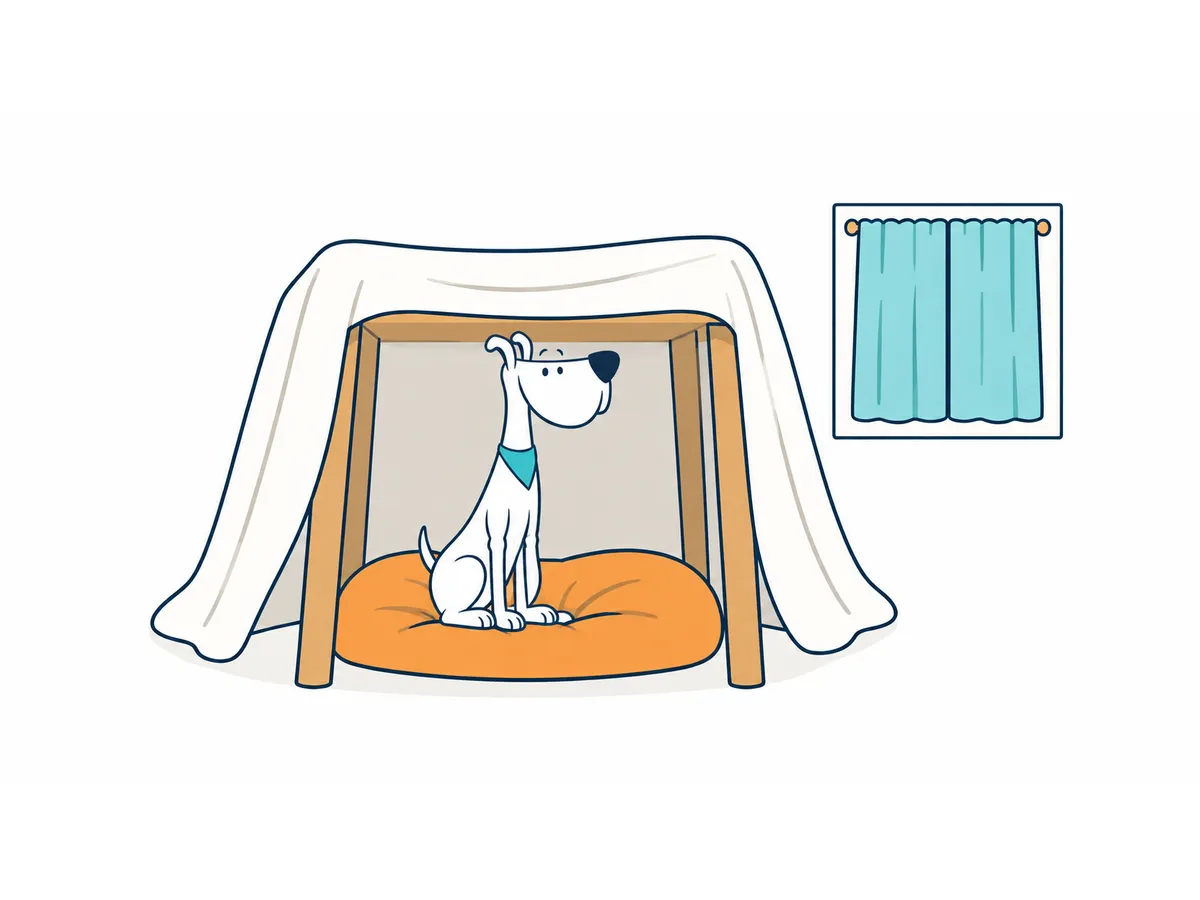
- Restrict movement: avoid running, jumping and stairs. Set up a quiet place to rest.
- Look without forcing: if your dog allows it and shows no pain, look at the pads, nails and between the toes. Stop if they resist; a dog in pain may bite.
- Do not manipulate the limb: do not bend joints or pull out embedded objects. Avoid improvised splints or bandages.
- Plan the journey: ask the clinic how to move your dog if they cannot walk, and request help on arrival.
If your dog also licks the area, our guide to persistent paw licking explains which changes to look for. You do not need to find a visible injury before seeking advice.
Why is my dog limping on a front or back leg?
The problem may involve a nail, paw pad, muscle, joint, ligament or bone. Some injuries leave no visible external sign. Knowing which leg is affected helps guide the examination, but does not reveal the cause by itself.
Do not automatically put stiffness down to age, either. Note whether it happens when getting up, after walks or intermittently, and tell your vet. Do not try to bring the limp back by exercising your dog more.
What not to give your dog for pain
Do not give ibuprofen, naproxen, paracetamol or other human medicines without veterinary instructions. Do not reuse an old veterinary prescription without checking first. The FDA explains that pain relievers can pose serious risks to pets; the choice of medicine and dose require professional assessment.
If your dog has already taken something, call and give the product name, amount and time. Keep the packaging so you can provide accurate information.
Preparing for the veterinary appointment
Bring a short note of when it started, which leg seems affected, any injury you witnessed and your dog’s current medication. A video of an episode you have already seen may help; do not force your dog to walk for a recording.
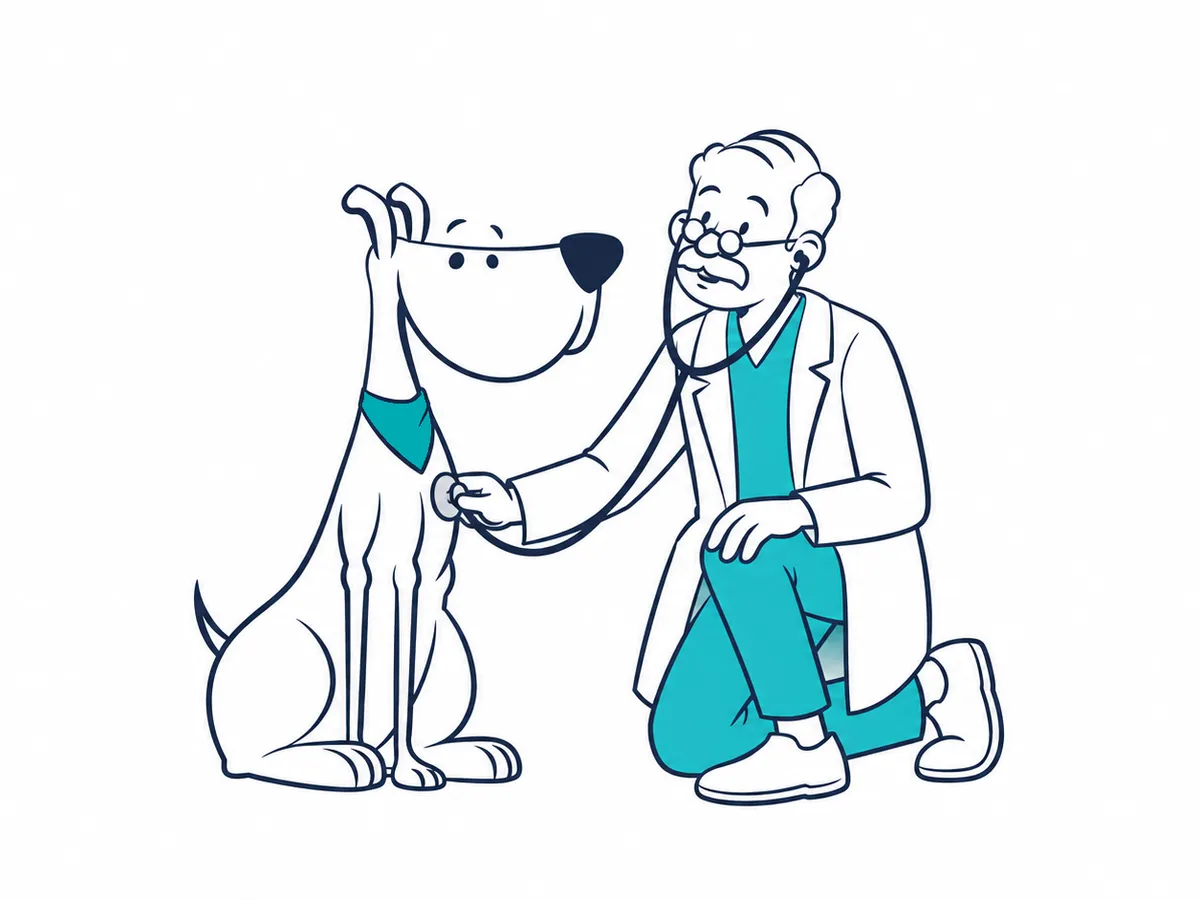
Your vet will combine the history with observation of movement and a physical examination. Depending on the findings, they may recommend X-rays or other tests. Ask what activity is allowed, which changes mean returning sooner and when a follow-up is needed.
You can explore Miwuki Pet Life as a resource for caring for your pet. If you are considering how to plan for future costs, read the terms of Miwuki Veterinary Insurance. Do not assume an existing injury will be covered or delay care to take out a policy.
After the examination
Follow the specific rest, medication and follow-up plan your vet provides. Before returning to your dog’s usual walking routine, confirm what level of activity is appropriate. Being eager to play again does not replace that advice.
The priority is straightforward: reduce exertion, seek an assessment and avoid treating an unknown cause. This guide covers the first steps; a veterinary examination determines what your dog needs.