Dog coughing: what to do and when it is urgent
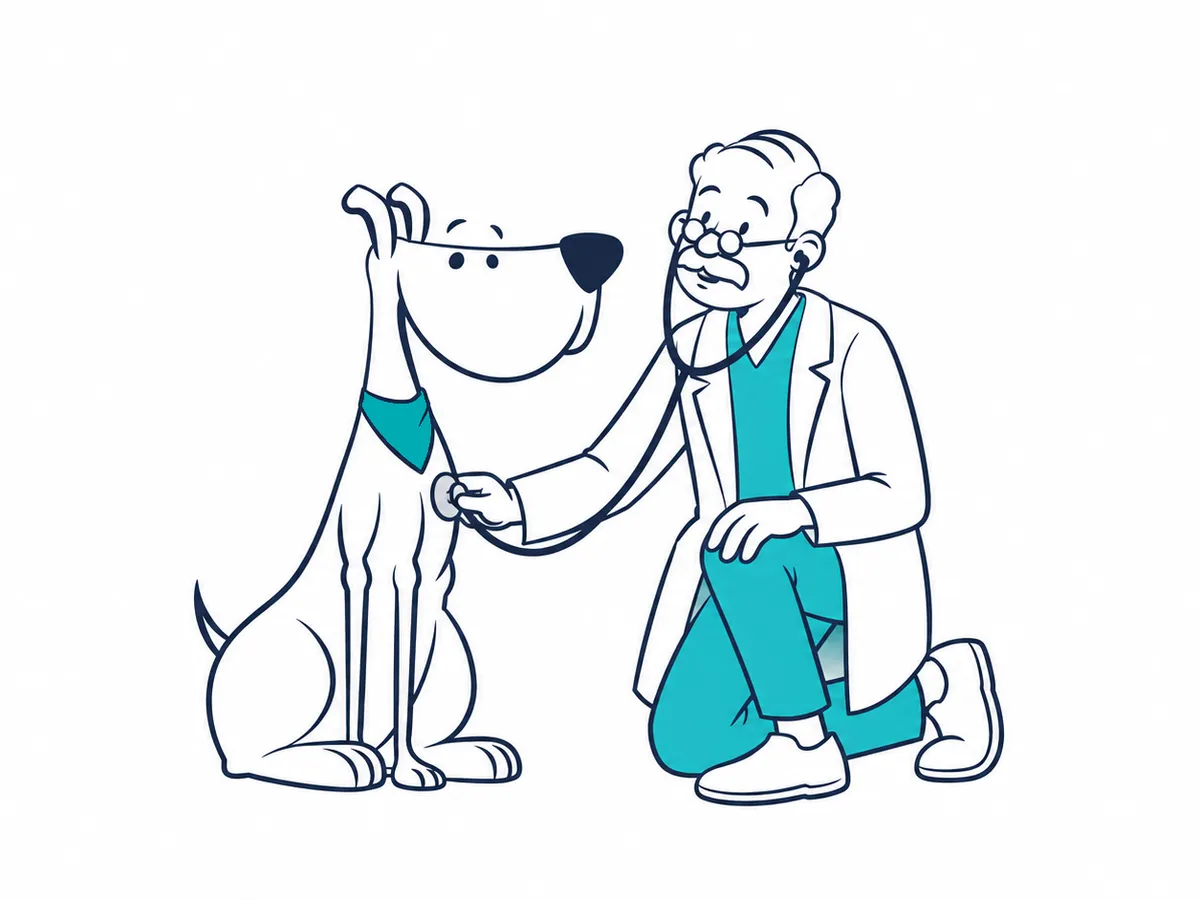
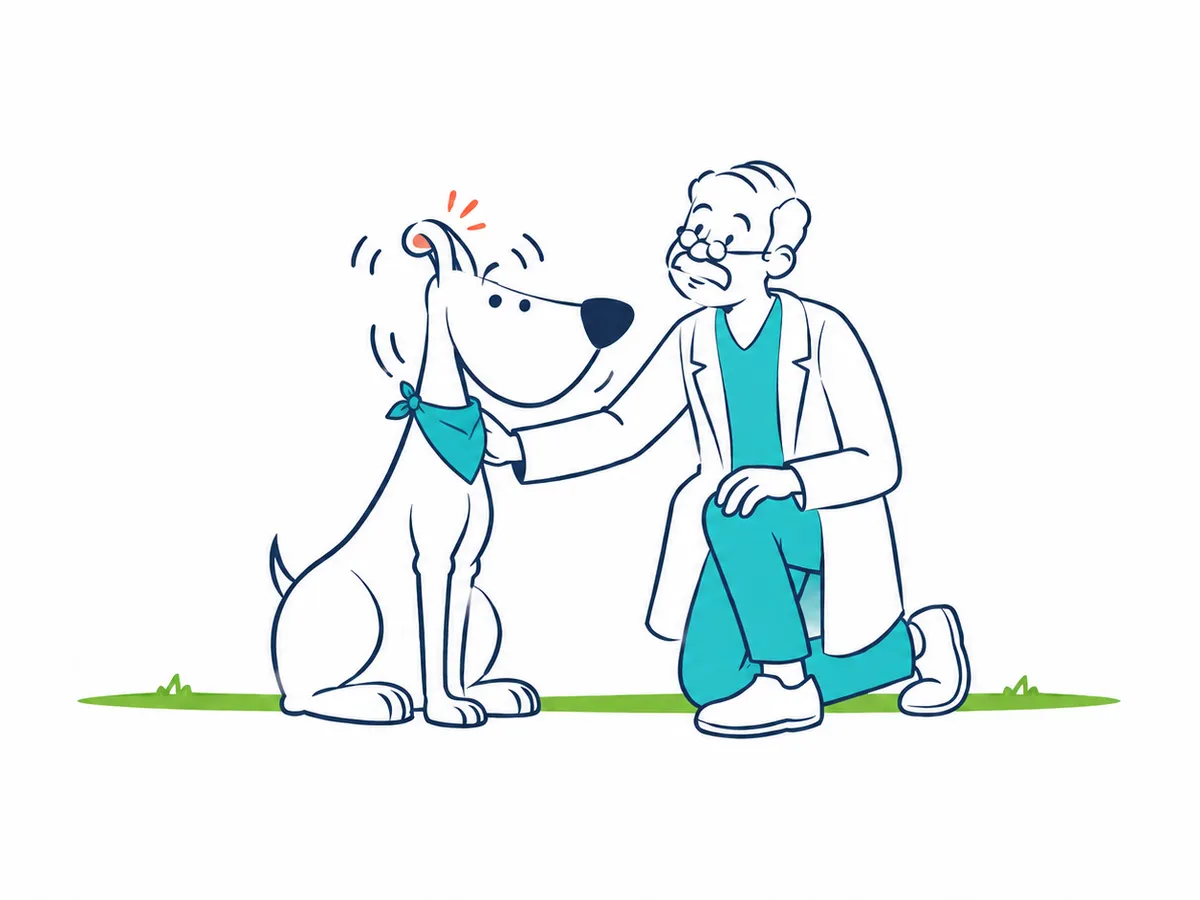
If your dog keeps coughing, contact your vet; trouble breathing, fainting or a coughing fit that will not stop needs immediate attention. The sound alone cannot tell you whether irritation, an infection or another problem is responsible. Do not give human cough medicines or try to make your dog cough to test it.
Hearing a cough that sounds as though something is stuck can be frightening. The most useful starting point is how your dog breathes between episodes and what has changed. This guide helps you prepare for that call; it cannot replace an examination.
When is a dog’s cough an emergency?
Seek emergency care for difficulty breathing, fainting, blue or very pale gums, or a suspected object stuck in the throat. Contact a vet immediately if a coughing fit will not stop. Do not delay care to film an episode or try a remedy.
Arrange an assessment if coughing recurs, disturbs sleep or comes with lethargy, poor appetite or blood. Duration is not the only factor: your dog’s overall condition matters. Mention whether they are a puppy, an older dog or have an existing illness when you call.
What if my dog only coughs occasionally?
An isolated cough can happen without a serious illness. Watch for recurrence and note the circumstances. If it happens again or breathing changes, seek advice; playing normally afterwards does not identify the cause or guarantee that nothing is wrong.
Why your dog might be coughing
Several possibilities can sound similar:
- Irritation or pressure on the neck: smoke, sprays or pulling against a collar can trigger coughing.
- Respiratory infection: kennel cough can spread between dogs, including those who have not stayed in kennels.
- Airway problems: tracheal collapse is one cause of a persistent dry cough, particularly in small dogs.
- Other illnesses or a foreign object: these need examination; avoid assuming it is just a cold.
Cornell explains that excitement, exercise and pressure on the neck can worsen coughing associated with tracheal collapse. This does not mean that every dog who coughs on walks has that condition. A honking sound does not confirm an infectious cough on its own either.
What to observe before the appointment
If your dog is stable and you can film without disturbing them, a short video may help distinguish coughing from gagging or sneezing. Do not press their neck or make them run to reproduce the sound.
Prepare a simple note:
- When it started and how many episodes you have seen.
- Whether it happens while resting, drinking, playing or pulling on the lead.
- How they breathe afterwards and whether energy or appetite has changed.
- Recent contact with other dogs, boarding, grooming or visits to a dog park.
- Vaccinations, medicines and known health conditions.
For example, “three coughing episodes after the walk and one while sleeping” describes events more clearly than “a bad cough”. This is an example of a useful record, not a diagnostic threshold. You can gather their health details in Miwuki Pet Life and bring your notes to the appointment.
How to help while you get advice
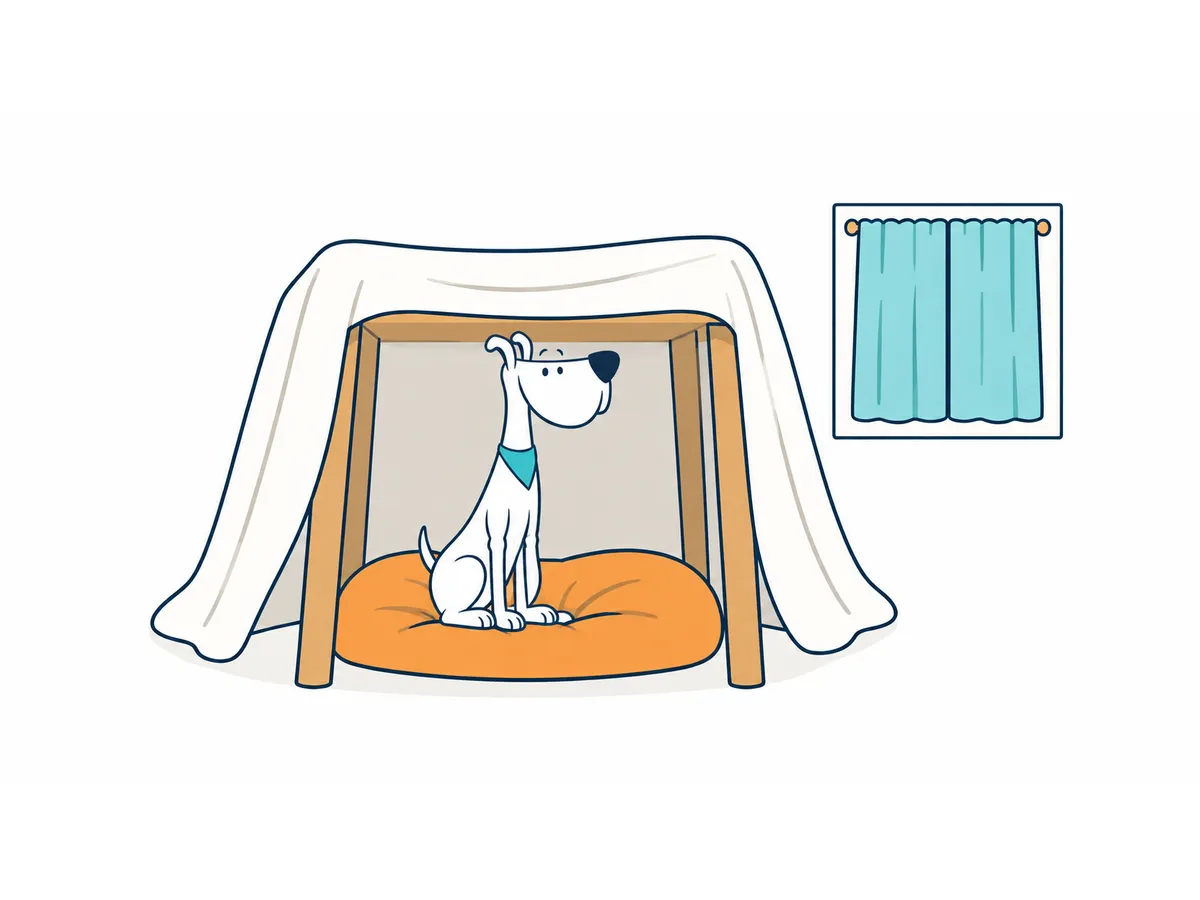
Keep the surroundings calm and free from smoke or sprays, and avoid exertion that triggers episodes. A properly fitted harness can reduce pressure from a collar on the neck, but it does not treat the cause of coughing. Do not improvise bandages or tight clothing around the throat.
Until you know whether it could be infectious, avoid contact with other dogs and shared bowls or toys. Tell the clinic about the cough before entering so staff can explain where to wait. Ask your vet when normal activities can resume; do not choose an isolation period yourself.
Mistakes to avoid
- Giving cough suppressants, antibiotics or leftover medicines without a prescription.
- Automatically blaming cold weather, heart disease or “something in the throat”.
- Using a home remedy to postpone a necessary appointment.
- Assuming vaccination rules out every respiratory infection.
Prevention depends on individual risk: read our guide to dog vaccination and review the plan with your vet. If your dog also refuses food, our guide to loss of appetite in dogs explains what else to report.
You can read the terms of Miwuki Veterinary Insurance. Care for current symptoms should not wait until you take out insurance.
What to do now
First check whether your dog is breathing normally. Emergency signs need immediate care; if they are stable but keep coughing, contact your vet and prepare your observations. The aim is to find the cause, rather than suppress the symptom at any cost.