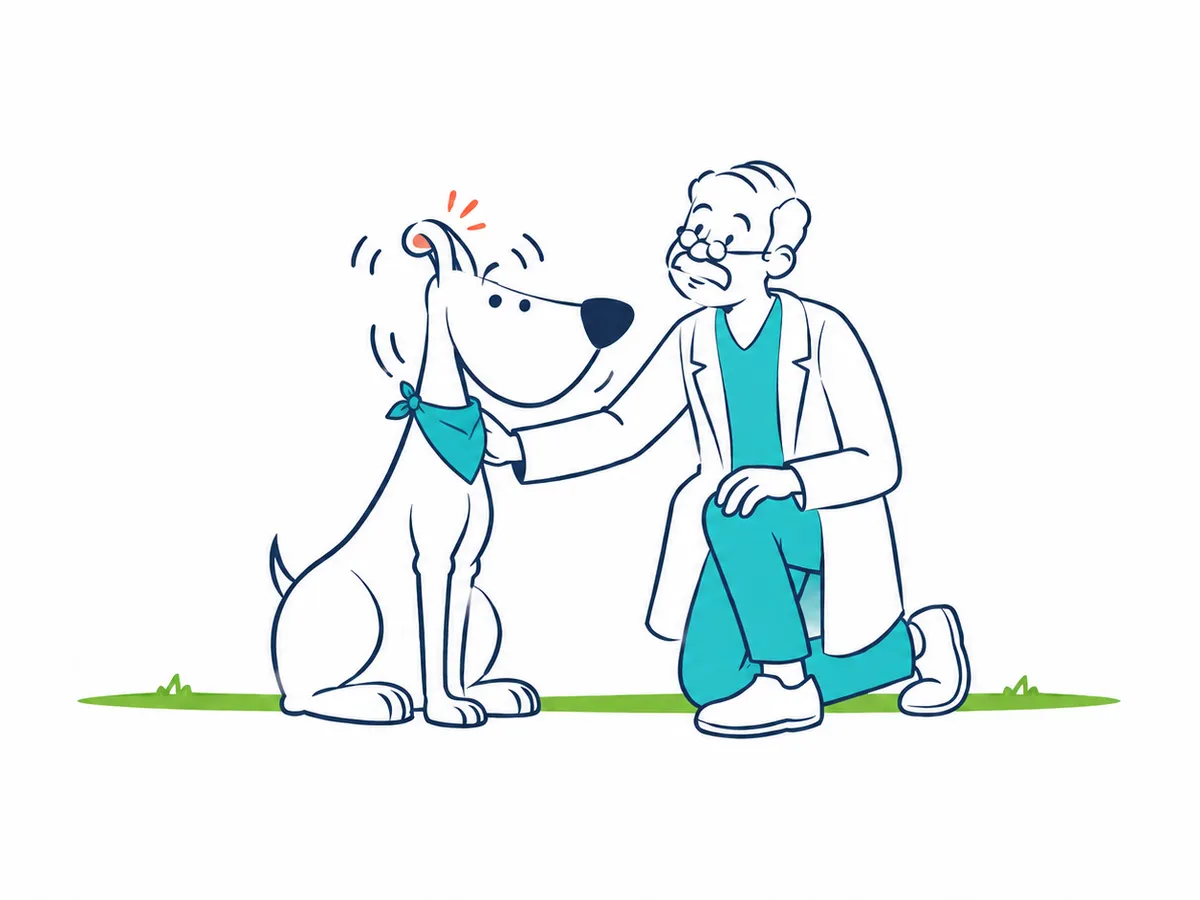
Dog drinking more water: when to call the vet
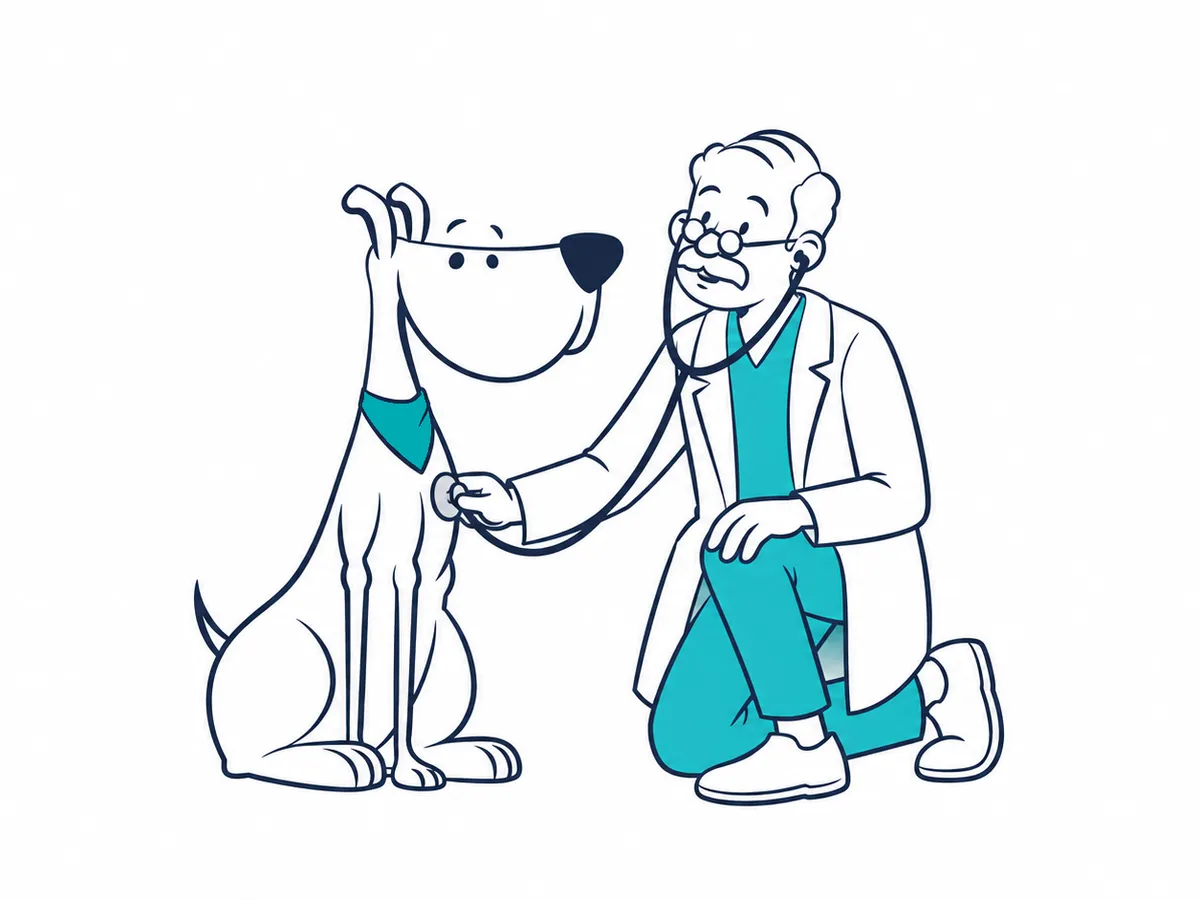
If your dog is drinking noticeably more water than usual, contact your vet and keep water freely available. Heat or exercise can increase thirst, but an unexplained change, especially with increased urination, needs assessment. If your dog collapses or becomes very weak, seek emergency care.
You do not need to identify the cause before calling. Comparing what is happening now with your dog’s usual routine is more useful than deciding on your own whether an empty bowl is “normal”.
When should you call the vet?
Ask for advice if the increase in thirst is clear or keeps happening, even if your dog otherwise seems well. Mention extra toilet trips, accidents indoors or changes in appetite.
Severe weakness, collapse or seizures need immediate attention. If your dog is also vomiting, unusually quiet or apparently in pain, tell the clinic when you call so they can assess urgency. Do not wait to finish a water diary if your dog is unwell.
Why your dog might be drinking more
Hot weather, extra activity and switching from wet food to dry food can change how much a dog drinks from the bowl. Some medicines, including steroids, also increase thirst; do not stop prescribed treatment without speaking to the prescribing vet.
Conditions a vet may investigate include kidney disease, diabetes and other hormonal disorders. Thirst alone cannot distinguish between them. A list of possible causes is not a way to diagnose your dog at home.
How much water is too much?
There is no single amount that suits every dog: size, food, activity and health all matter. The change from their usual intake and any other signs are more useful. Bring a measurement if your vet requests one; do not use a single number to rule out a problem.
How to record water intake without restricting it
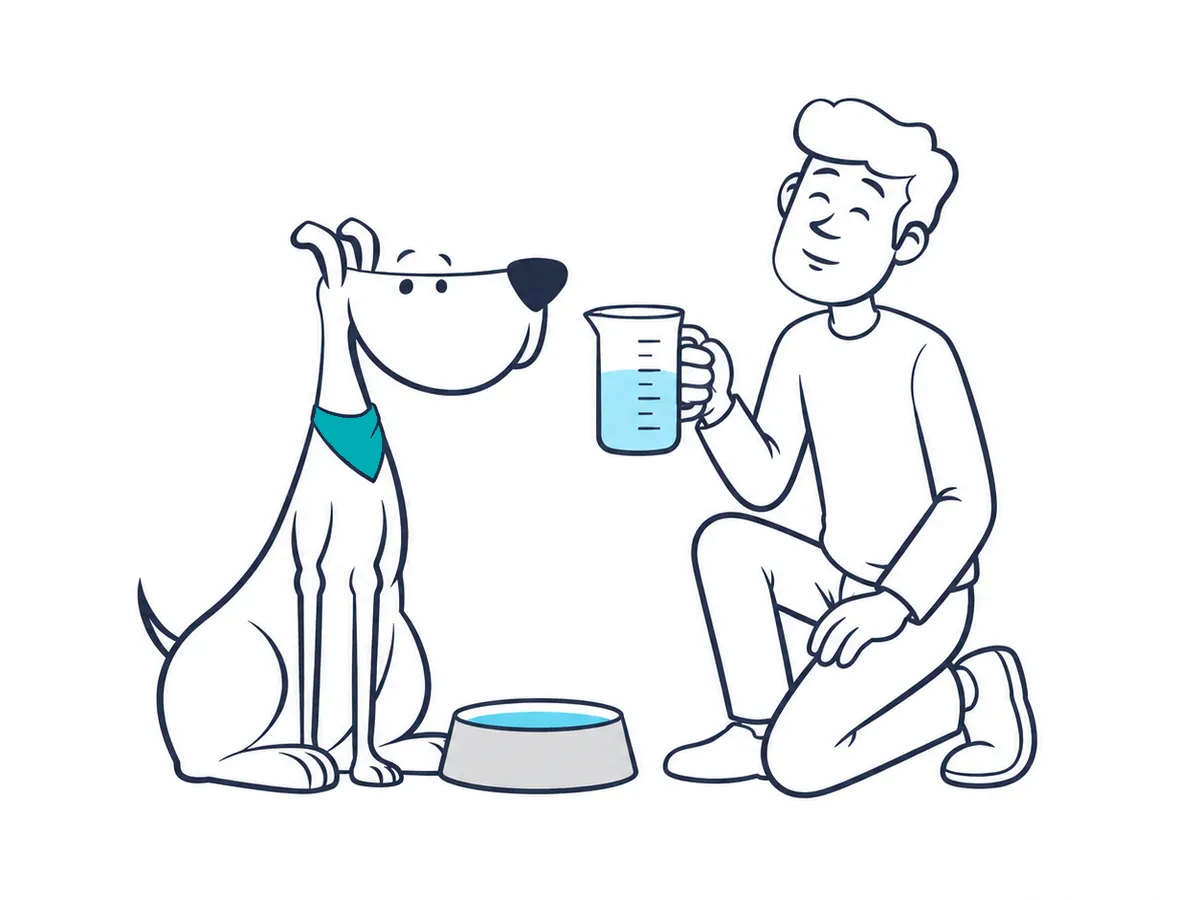
If your clinic recommends measuring over 24 hours, you can organise the record like this:
- Note the start time and use a jug to measure the water you put down.
- Record each refill and measure what remains at the end. Never leave the bowl empty to make the calculation easier.
- Mention spills, drinks away from home and whether other animals share the bowl: the result will be an estimate.
- Add details of food, medication and what you noticed on walks.
For example, “I refilled the bowl twice and they needed a toilet trip overnight” describes a specific change. This is an example of a useful record, not a diagnostic threshold. You can gather their health details in Miwuki Pet Life and bring your notes to the appointment.
What to notice about urination and mistakes to avoid
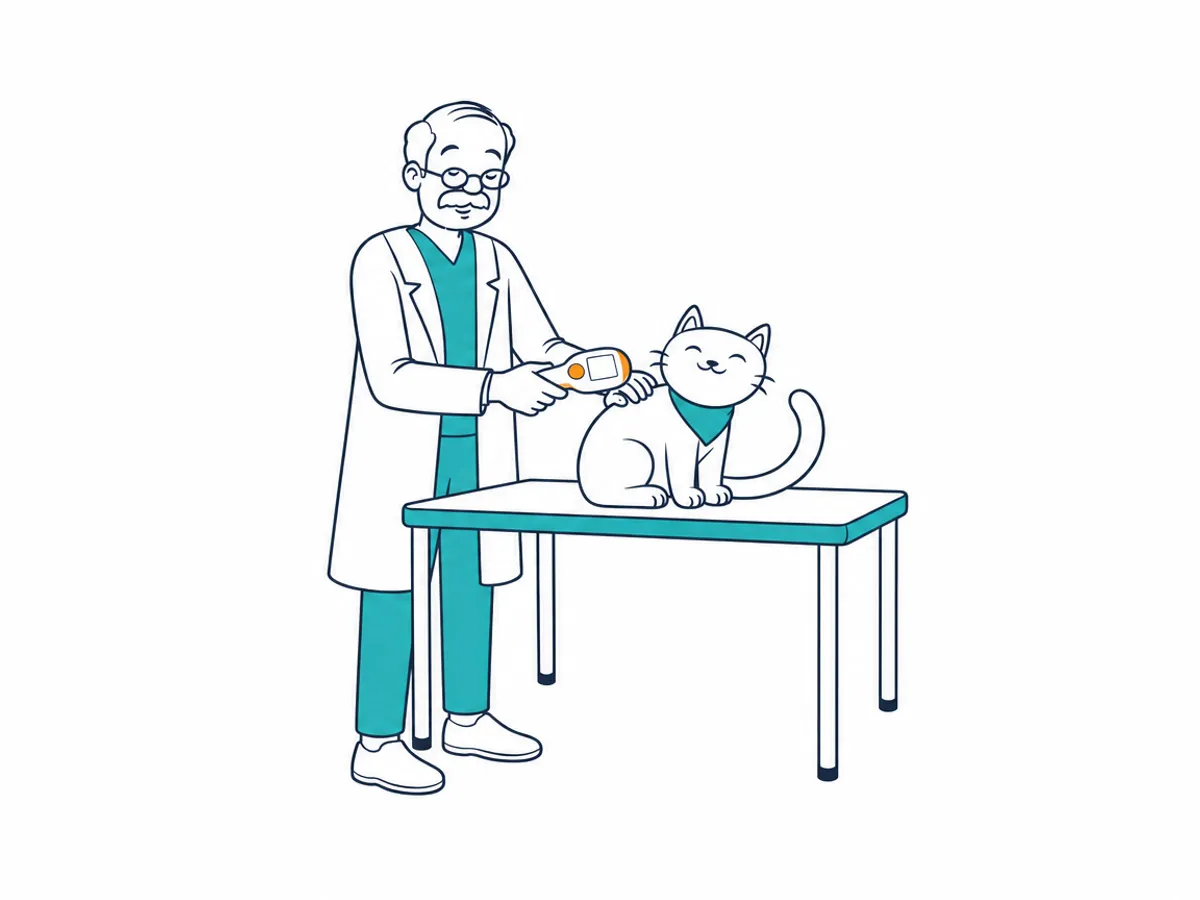
Passing a larger volume of urine is different from trying repeatedly and passing small amounts. Describe what you see without treating accidents as disobedience. Your vet may need an examination and blood or urine tests to understand the change.
- Do not remove water overnight to prevent accidents.
- Do not try medicines or abruptly change the diet to “fix” the thirst.
- Do not dismiss a new change as simply getting older.
If your dog also stops eating, read our guide to loss of appetite in dogs and mention both changes during the same call.
The next step: observe and seek advice
Keep water available, prepare a brief description of what has changed and arrange veterinary advice. A diary supports the consultation; it does not replace it. You can read the terms of Miwuki Veterinary Insurance, but care for current symptoms should not wait until you take out insurance.