Dog vomiting: what to do and when to call the vet
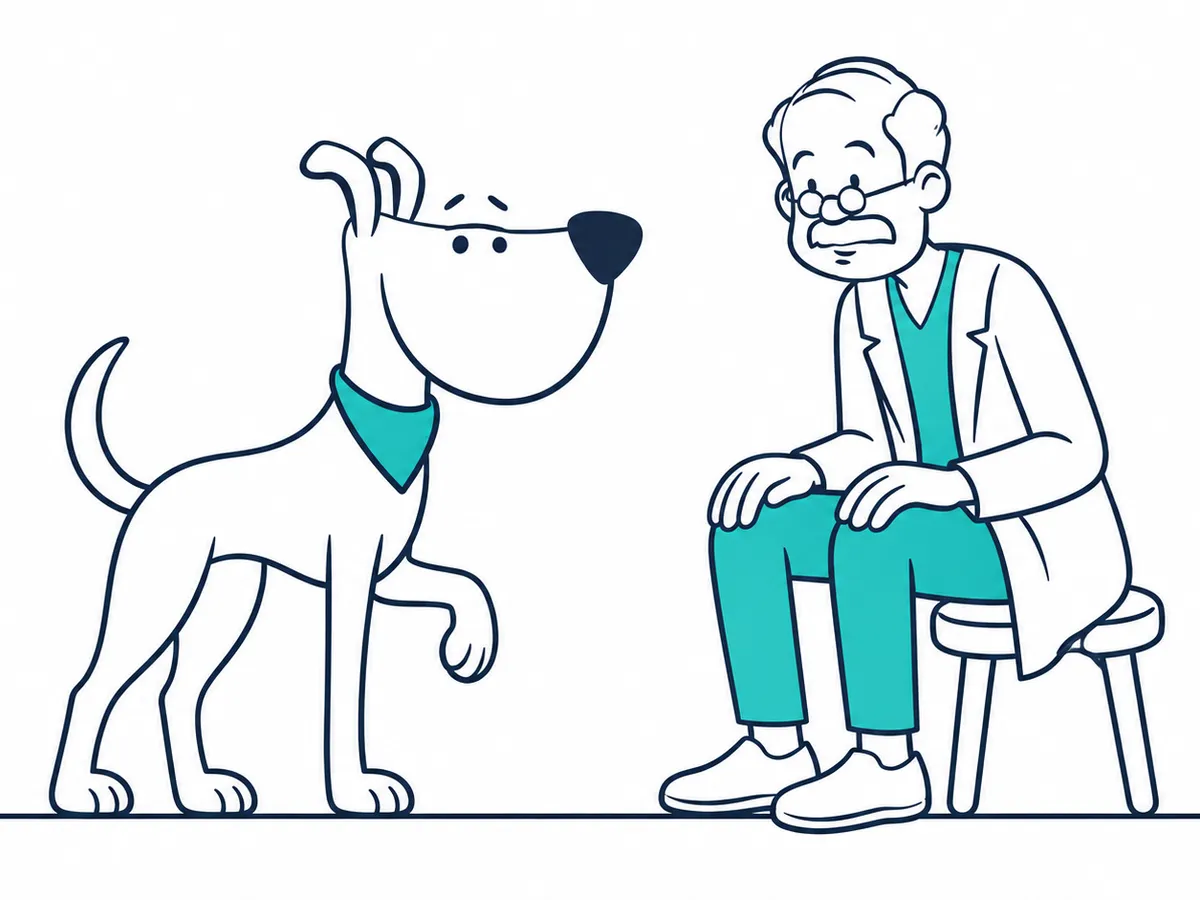
If your dog vomits repeatedly, cannot keep water down, brings up blood or seems lethargic, contact your vet promptly. Repeated retching without bringing anything up, particularly with a swollen abdomen, needs immediate attention. A single episode in an adult dog who otherwise seems completely normal may be monitored, but any deterioration changes the situation.
Before looking for something to stop the vomiting, check how your dog is doing. Vomiting has many possible causes; colour alone cannot identify the problem or rule out an emergency.
When not to wait
- Emergency care: repeated unproductive retching, a swollen or very painful abdomen, collapse or difficulty breathing. Do not wait for every sign to appear.
- Call immediately: fresh blood or material resembling coffee grounds, suspected poisoning or a swallowed object. Explain what happened even if your dog still seems well.
- Seek prompt advice: repeated vomiting, inability to keep water down, lethargy, refusing food or signs of dehydration. Be especially quick to seek advice for puppies and dogs with existing conditions.
If there are also loose stools, see our guide to diarrhoea in dogs and warning signs. The combination needs attention, rather than two separate home treatments.
Is it vomiting or regurgitation?
Vomiting usually involves nausea, retching and abdominal contractions. Regurgitation is more passive: food or fluid comes back up without that preceding effort. Describing the sequence is more useful than simply saying your dog brought up their meal.
If it will not delay care, take a short video of an episode. Repeated regurgitation also needs veterinary advice; do not automatically put it down to eating too quickly.
Why might a dog vomit?
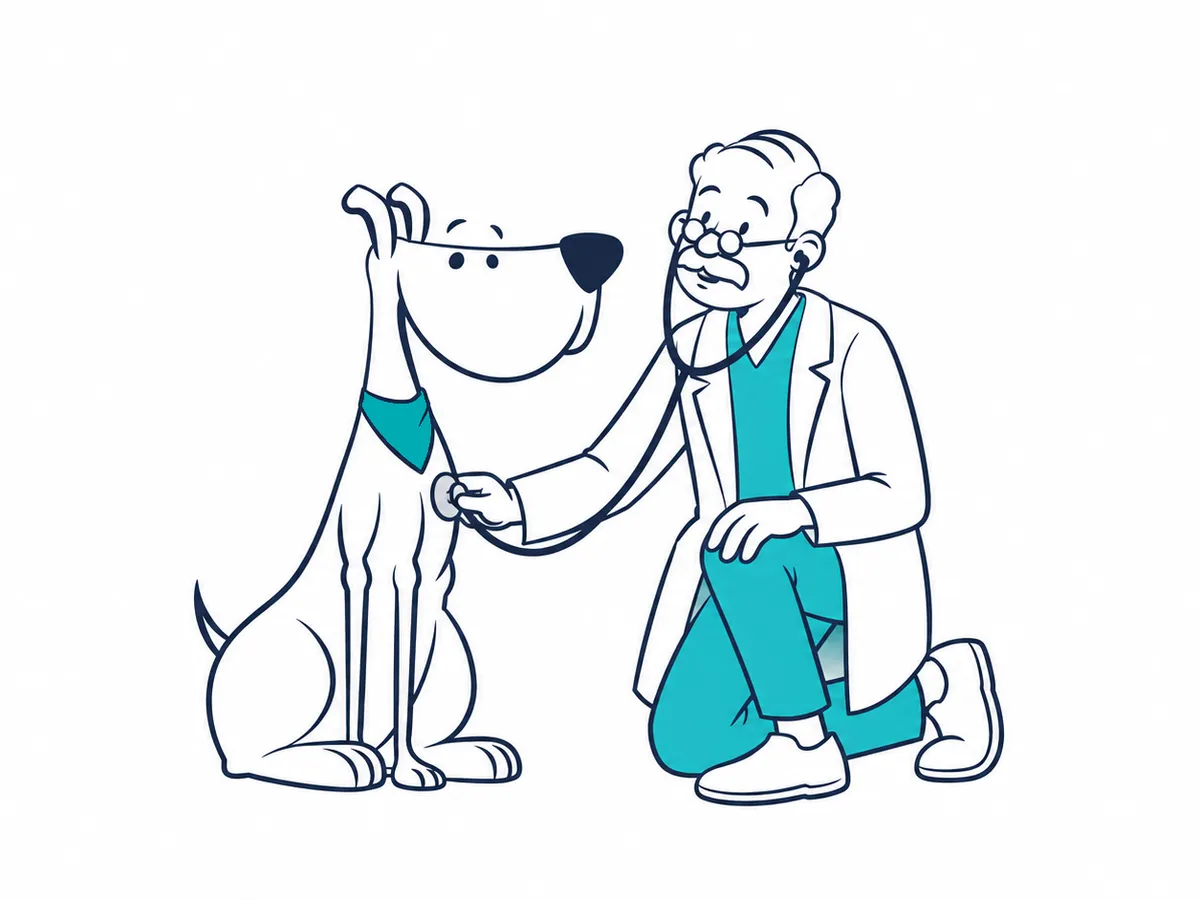
Possibilities include digestive irritation, something they have eaten, an infection, a foreign body or disease affecting another organ. Your vet will decide what to investigate based on the symptoms and history. Not every dog needs the same tests.
Yellow fluid or foam does not prove that hunger is the only cause. Nor should you assume your dog is deliberately making themselves sick: our guide to why dogs eat grass explains that behaviour and its limits.
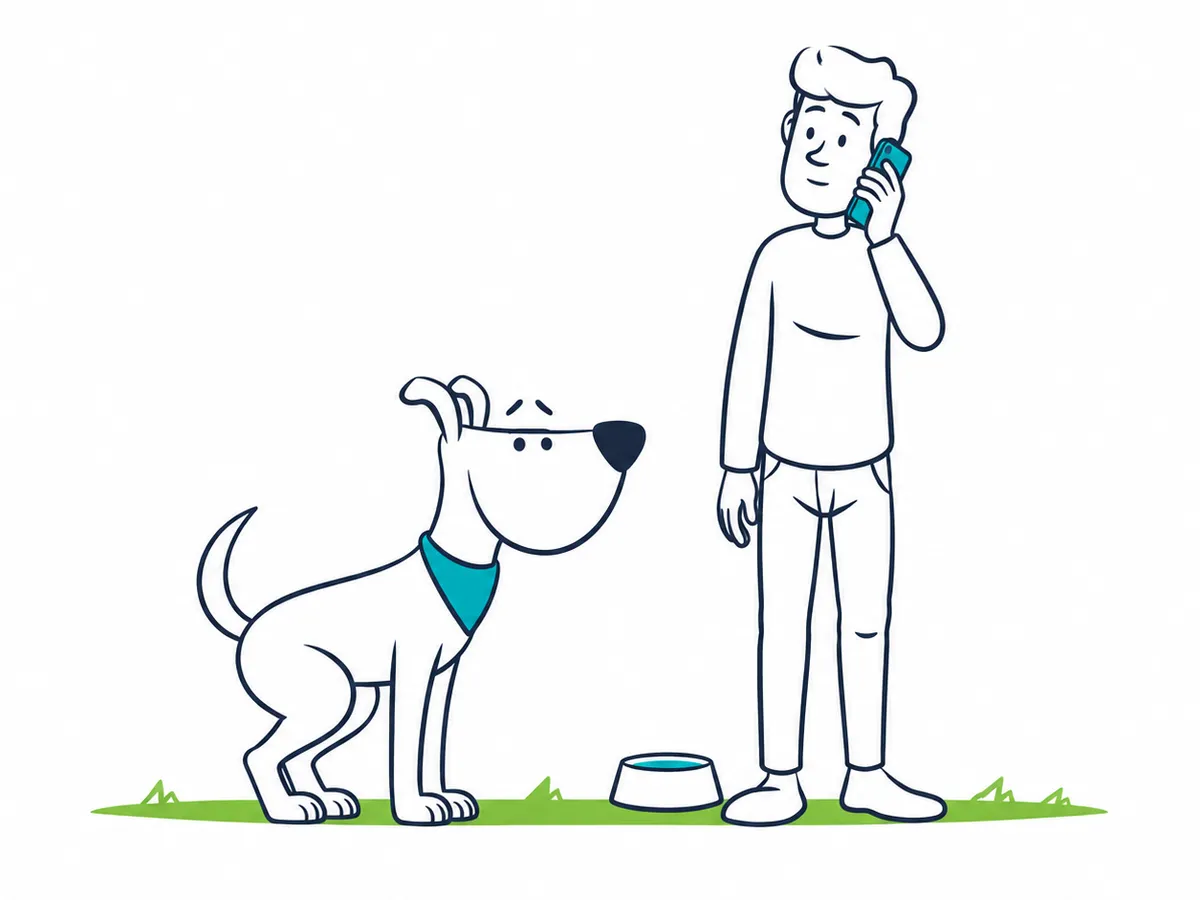
What to do while you seek advice
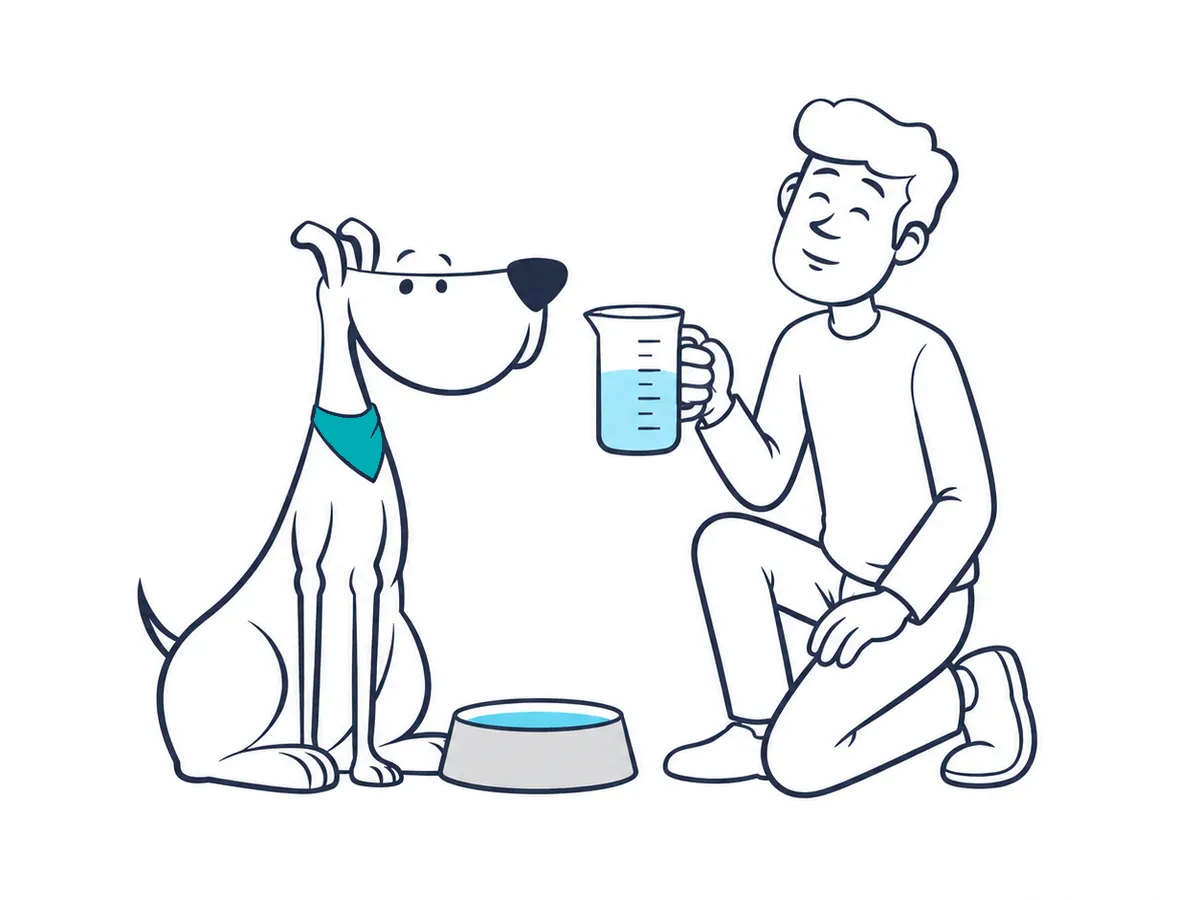
Let your dog rest somewhere quiet and prevent further access to rubbish, scraps or objects they might swallow. Do not force food or water. Do not withhold water on your own initiative: if your dog brings it back up or cannot drink, they need assessment rather than longer observation at home.
Ask the clinic how to manage food for your dog’s age, medical conditions and current symptoms. Do not treat prolonged fasting or a homemade diet as a universal solution. If your dog takes medication, tell the clinic what it is and when the last dose was given; do not repeat a vomited dose without instructions.
You can gather their health information in Miwuki Pet Life and prepare a note for the appointment.
What to note before calling
- When the first episode happened and how many there have been.
- Whether there was retching and effort or food came up passively.
- What the contents looked like; a photo may help.
- Whether your dog keeps water down, wants food and behaves normally.
- Possible access to poisons, toys or rubbish, plus medication and existing conditions.
For example, “three episodes since this morning, and water comes straight back up” is more informative than “an upset stomach”. This is an example of a useful description, not a threshold you must reach before calling.
Mistakes that can delay help
Do not give human medicines or leftover anti-sickness medication. Do not induce vomiting after suspected poisoning unless a professional tells you to. A brief pause in vomiting does not necessarily mean the problem has resolved: recurring episodes need assessment.
To plan future care, you can read the terms of Miwuki Veterinary Insurance. Care for current symptoms should not wait until you take out a policy.
What to remember
If your dog is vomiting, base your next step on their overall condition, recurrence and warning signs. Careful observations and a clear description help; trying remedies or waiting for a fixed deadline can delay necessary care.