Why does my dog eat grass? Causes and warning signs
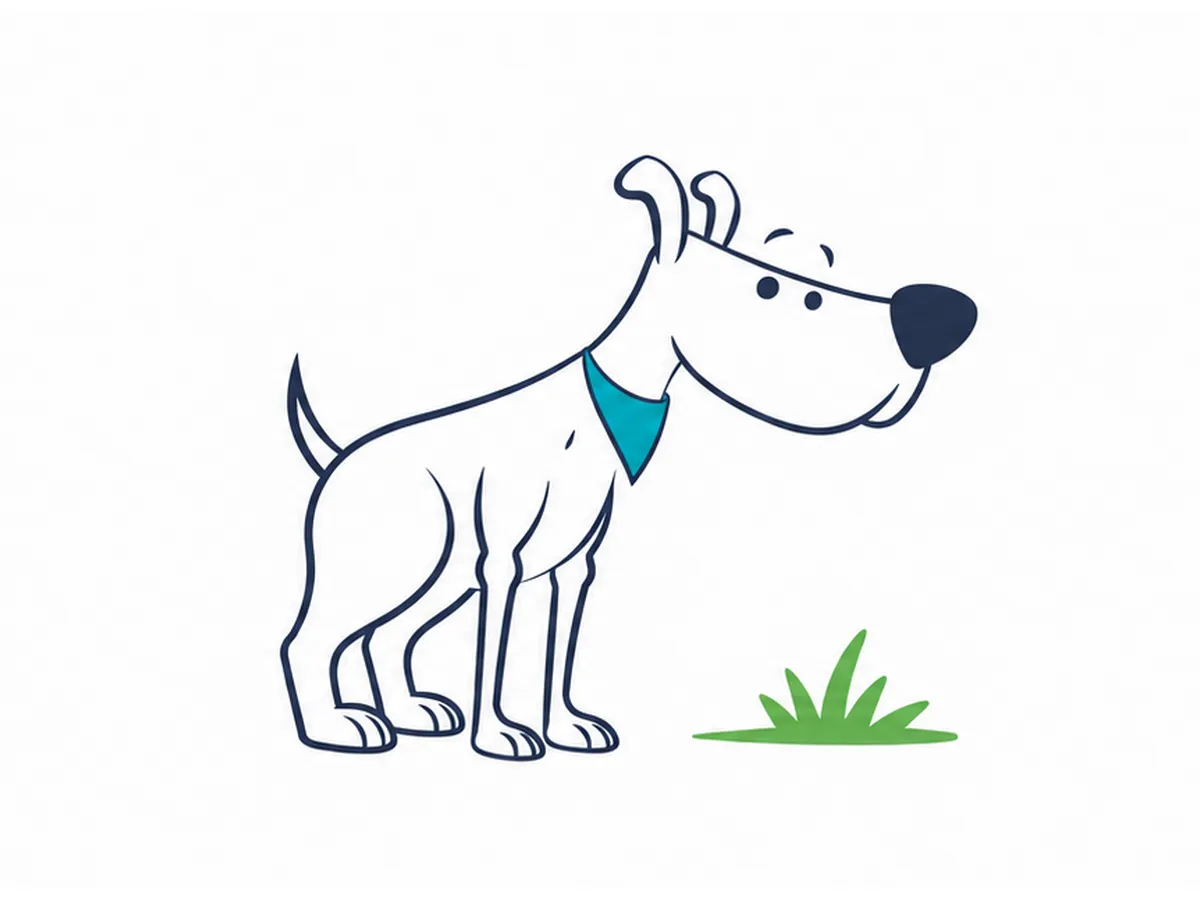
If your dog eats grass occasionally and then remains active, eats normally and shows no other symptoms, it is usually a common behaviour rather than an emergency. It has not been shown that every dog does it to “purge” their stomach. What matters is whether the habit appears suddenly, becomes compulsive or occurs with repeated vomiting, diarrhoea, pain, lethargy or loss of appetite.
Why does my dog eat grass?
There is no single explanation that applies to every dog. Some nibble tender shoots for their smell, texture or taste; others do it while exploring on a walk or when they have too little to do. In some cases it may coincide with nausea or digestive discomfort, but seeing a dog eat grass cannot diagnose a stomach problem on its own.
A survey-based study of caregivers found that eating plants —especially grass— was common among healthy dogs and that most rarely appeared ill beforehand or vomited afterwards. That is a useful clue, not an absolute rule: it was an observational study based on caregiver recall, so it cannot explain the cause of each individual episode.
Context can also matter. A young dog sampling a few leaves while sniffing presents a different picture from a dog who rushes outside, gulps large amounts and refuses food. To interpret the behaviour, look at frequency, intensity, change from your dog’s normal pattern and accompanying symptoms.
Does eating grass mean my dog wants to vomit?
Not necessarily. The idea that every dog eats grass to make themselves vomit is too simple. Many do not vomit afterwards and show no signs of illness beforehand. Sometimes vomiting occurs because nausea was already present; in other cases the grass itself may irritate the stomach or throat and make vomiting more likely.
If your dog nibbles a little, does not vomit and carries on as usual, you can monitor them. If they eat grass urgently while licking their lips, drooling, swallowing repeatedly, having a noisy stomach, diarrhoea or poor appetite, contact your veterinarian. Our guide on what to do when a dog has diarrhoea summarises the signs that should not wait.
When grass eating is usually normal
An episode is usually less concerning when:
- it happens occasionally and has not increased suddenly;
- your dog chooses a few blades rather than tearing up large clumps;
- there is no repeated vomiting, diarrhoea, pain or swollen abdomen;
- appetite, energy, thirst, urination and stools remain normal;
- the grass comes from a safe area without chemicals or unknown plants;
- you can calmly interrupt the behaviour and continue the walk.
“Common” does not automatically mean “normal for your dog”. If they always ignored lawns and now seek grass on every outing, that change deserves attention even if they still seem bright.
When should you call the veterinarian?
Ask for veterinary advice if the behaviour is new, intense or repetitive, or if it appears with any of these signs:
- repeated vomiting, unproductive retching or blood in vomit;
- persistent diarrhoea, black stools or fresh blood in the stool;
- lethargy, weakness, fever, pain or a hunched posture;
- a swollen abdomen, marked restlessness or difficulty settling;
- refusing food or water, weight loss or a change in thirst;
- excessive drooling, tremors, disorientation or difficulty breathing;
- possible ingestion of a toxic plant, herbicide, pesticide, fertiliser, bait or object;
- compulsive ingestion of grass, soil, stones, fabric or other non-food material.
Repeated retching without producing vomit, especially with a distended abdomen, is an emergency. Do not wait for the grass to “work” and do not try to induce vomiting at home. Call a clinic and describe exactly what is happening.
What are the risks of eating grass?
Ordinary lawn grass is not the only thing that may end up in your dog’s mouth. The location, any treatments applied and what is hidden among the blades matter as much as the amount swallowed.
Toxic plants and treated lawns
A dog may start with grass and reach a dangerous ornamental or wild plant. An apparently clean area may also have been treated with herbicides, pesticides or fertiliser. Do not allow plant eating when you cannot identify the species or know how the ground has been treated.
If you suspect exposure, move your dog away, photograph the plant or keep the product packaging without putting yourself at risk, and call your veterinarian. Do not give milk, oil, activated charcoal or human medication unless a professional tells you to. This list of dangerous foods and substances for dogs and cats can help you prepare the information a clinic may request.
Parasites, faeces and hidden objects
Shared parks may contain faeces, parasites, cigarette ends, glass, fishing hooks, grass awns or food scraps. Follow the parasite-control plan recommended by your veterinarian and check the area before allowing your dog to explore with their mouth.
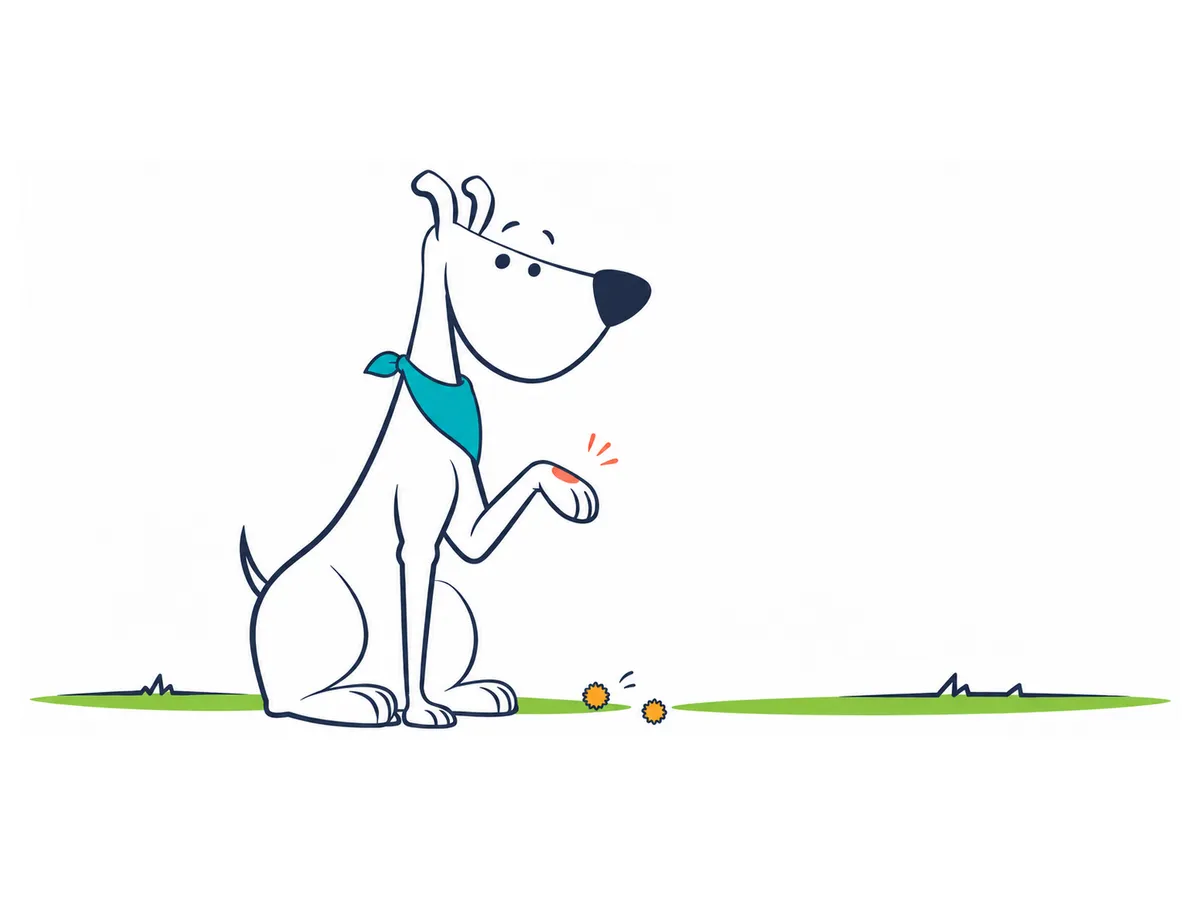
Dry grass awns need particular care because they can lodge in the mouth, nose, eyes, ears or skin. If your dog suddenly sneezes, shakes their head, rubs their muzzle or develops a wound after walking through tall grass, arrange an examination.
Large amounts and foreign bodies
Swallowing a lot of grass, long stems or roots can irritate the digestive tract. If your dog also eats soil, stones, plastic or fabric, this is no longer just casual grazing: injury or obstruction is possible and professional assessment is needed.
Do not pull on a stem, thread or other material protruding from the mouth or anus. It may be trapped internally and pulling can cause damage. Prevent further ingestion and contact your veterinarian.
What to do when your dog eats grass
- Observe before assuming. Note how much your dog eats, how urgently and what they were doing immediately beforehand.
- Interrupt calmly if the area is unsafe. Move away using a familiar cue or reward; do not shout or pull roughly at the mouth.
- Check the surroundings. Look for recent treatments, unknown plants, faeces, rubbish, grass awns or objects.
- Assess the whole dog. Monitor appetite, water intake, energy, abdomen, vomiting, stools and breathing.
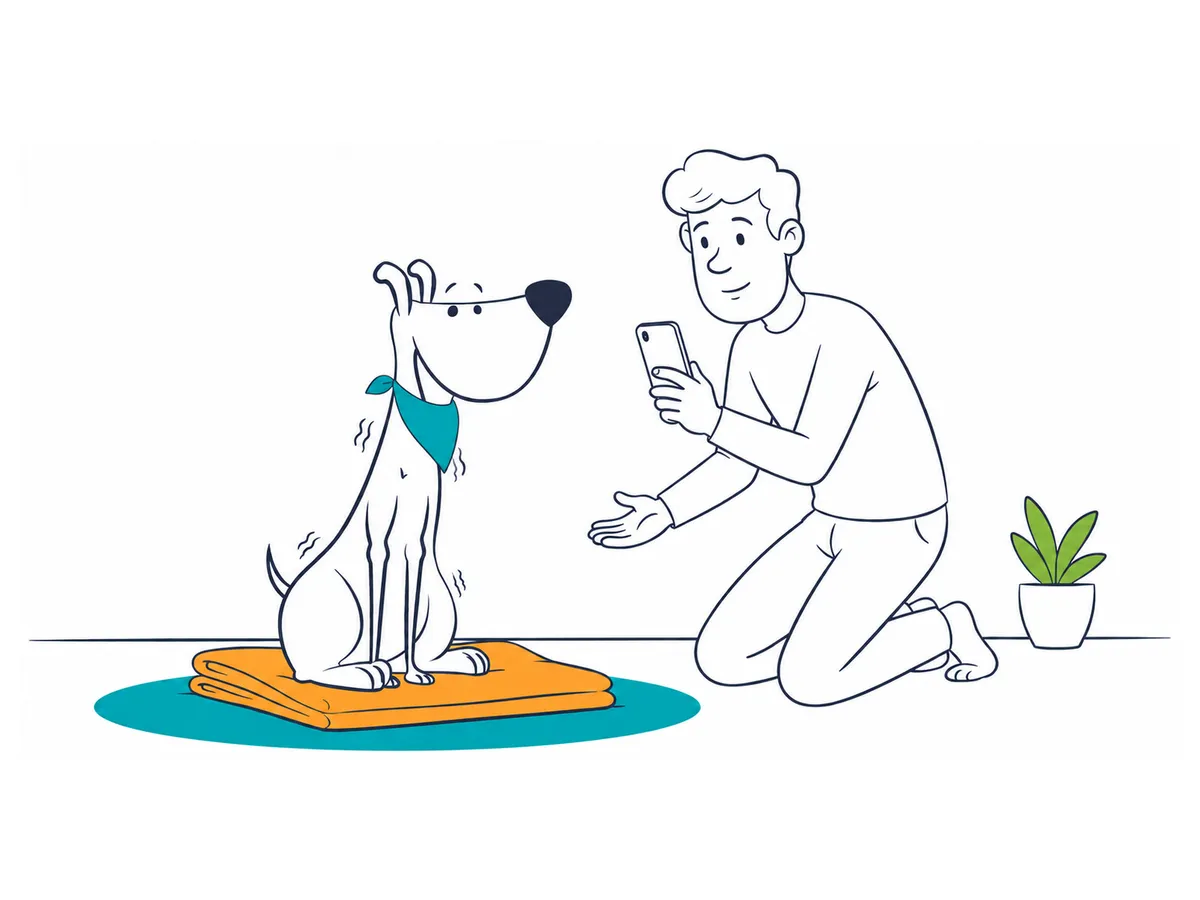
- Record the pattern. Time, duration, approximate amount and a safe video may help at the appointment.
- Adjust the routine, not the diet blindly. Offer more opportunities to sniff, play and rest, but do not add fibre, supplements or a new food without considering the full picture.
- Ask for advice if it repeats or changes. Your veterinarian can review diet, medication, parasites, pain, digestion and behaviour as appropriate.
If boredom seems to be part of the pattern, try walks with more sniffing time and small mental activities. This daily routine template for dogs can help you balance exercise, rest and enrichment without overloading the day.
Common mistakes
- Assuming your dog is purging. The behaviour does not confirm a digestive cause or replace an assessment.
- Ignoring a sudden change. The relevant comparison is with that individual dog’s usual pattern.
- Allowing any plant because it is green. Green does not mean safe, and lawns may be treated.
- Punishing or grabbing the muzzle. This can increase stress and make the dog swallow faster.
- Changing food or adding supplements without a plan. A sudden change may create the very symptoms you are trying to prevent.
- Waiting despite warning signs. Repeated vomiting, a swollen abdomen, weakness, toxins or swallowed objects call for action.
What information should you give the veterinarian?
Explain when it began, how often you have seen it and whether your dog nibbles or gulps. Include changes in appetite, weight, thirst, vomiting, stools, medication, diet, treats and access to rubbish or plants. A photo of the location or plant may be useful; do not carry a sample that could expose you to chemicals.
You can use Miwuki Pet Life to record episodes, symptoms and reminders: download Miwuki Pet Life from Google Play. To plan for the cost of consultations, tests or treatment, review the terms and exclusions of Miwuki Veterinary Insurance.
Conclusion
Occasionally eating a few blades of grass is usually compatible with normal canine behaviour. It does not prove that a dog is ill or trying to vomit. The full pattern matters: a sudden change, compulsive grazing or symptoms such as repeated vomiting, diarrhoea, pain, lethargy or loss of appetite justify veterinary advice. Even when your dog feels well, keep them away from unknown plants and chemically treated areas.