Dog constipation: what to do and when to call the vet
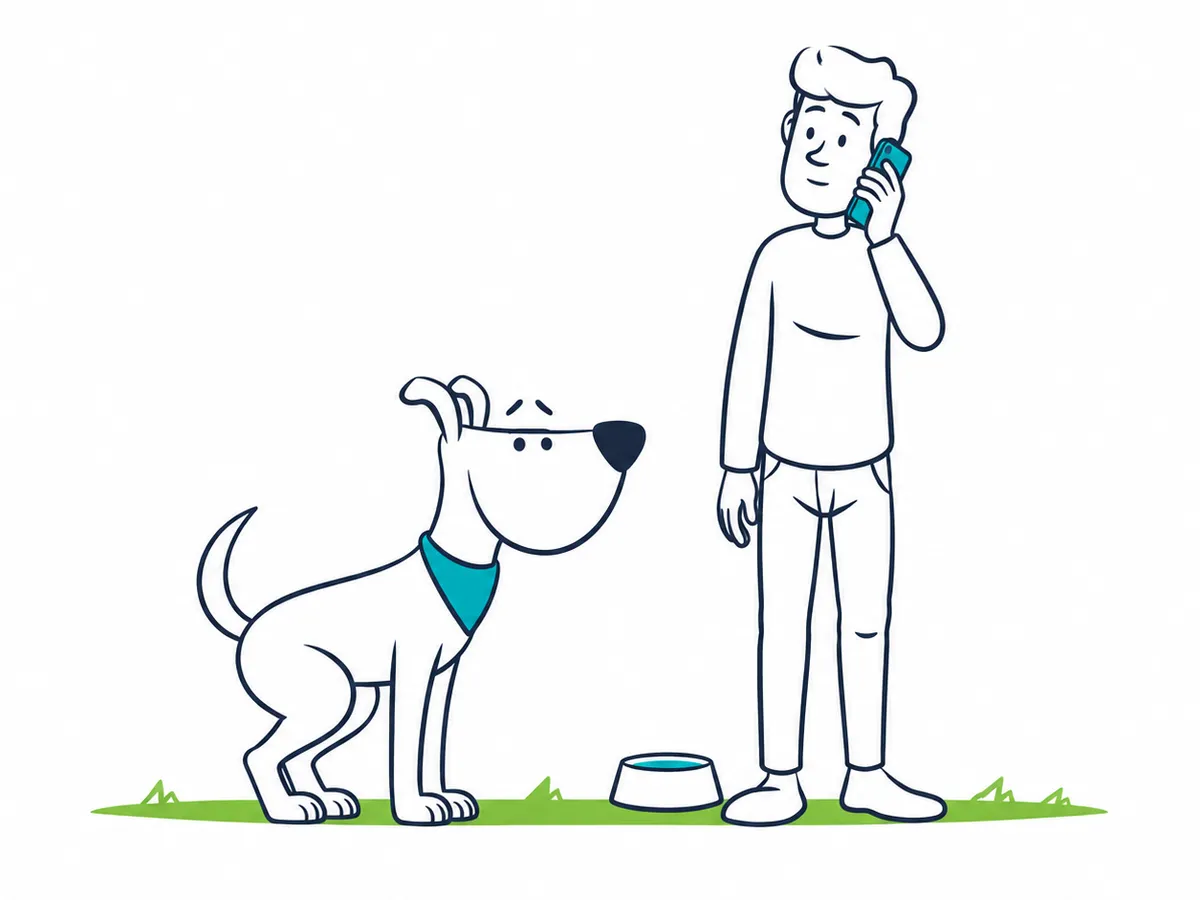
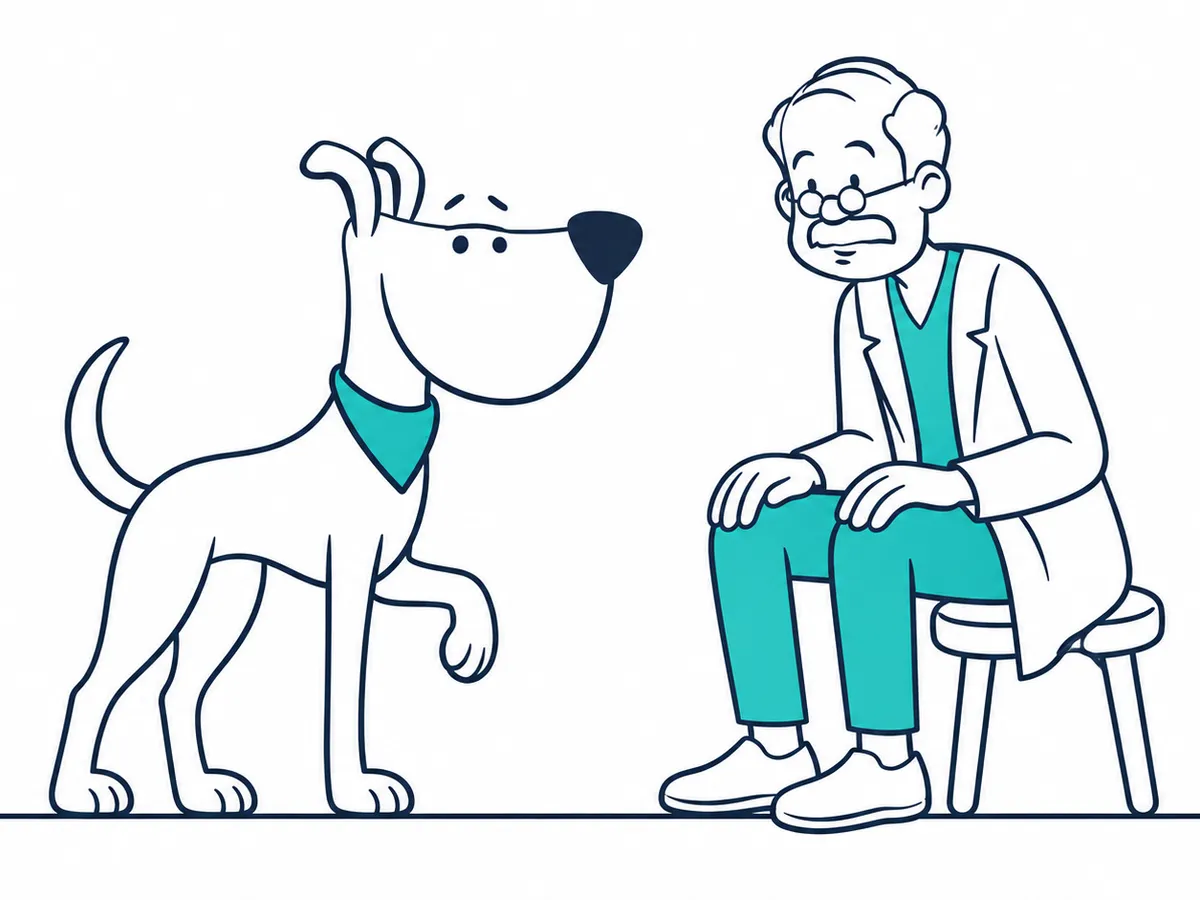
If your dog is straining to poo but passing very little, contact your vet. If they are also vomiting, in severe pain, have a swollen abdomen or cannot urinate, call immediately. Do not give laxatives or administer an enema yourself: the cause needs to be assessed first.
Watching your dog try repeatedly is worrying. Start by noting what comes out and how they seem, without pressing their tummy or making them keep walking.
How to recognise possible constipation
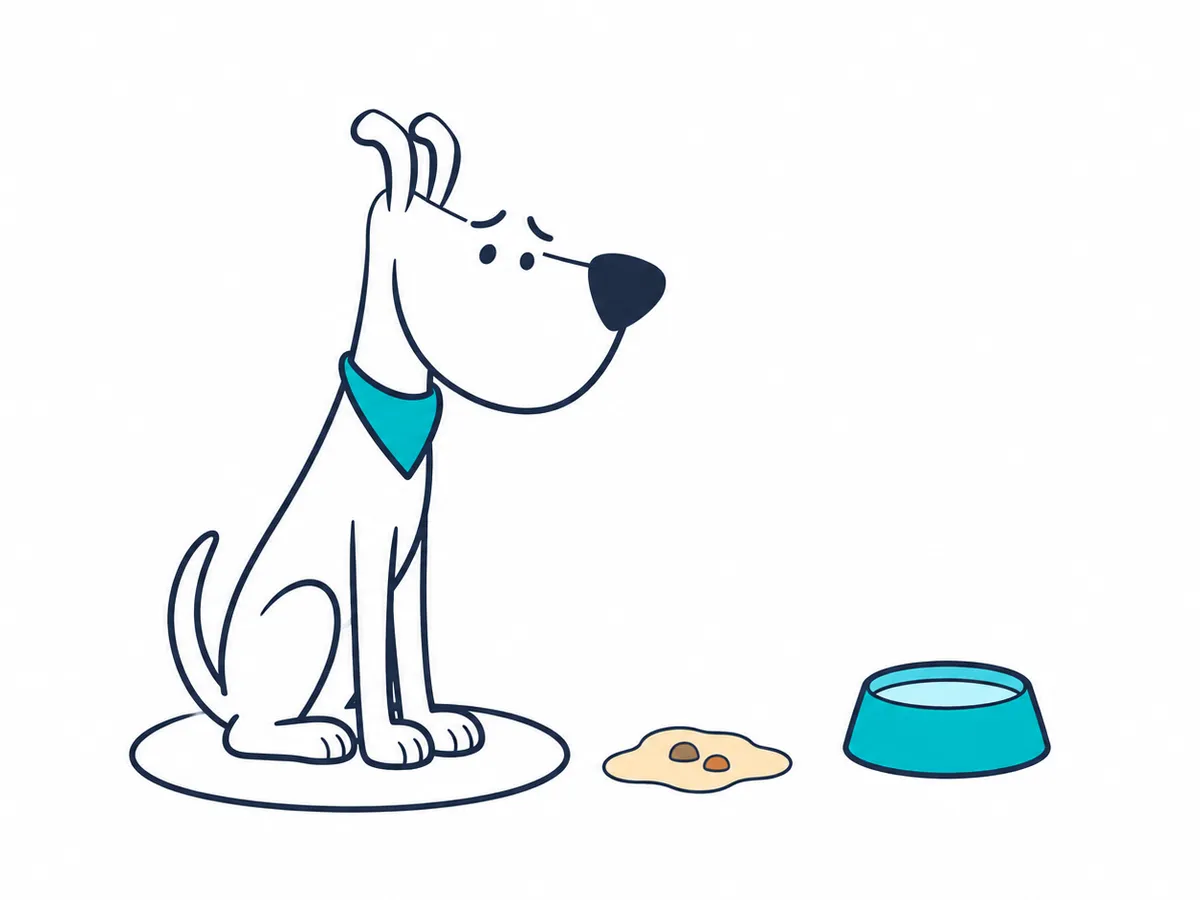
Small amounts of dry, hard stool, with repeated or painful attempts to pass it, can suggest constipation. However, straining alone does not establish the diagnosis: dogs may also strain with diarrhoea or urinary problems.
A little liquid can even pass around retained stool. Describe what you see rather than deciding your dog needs an anti-diarrhoea medicine. Our guide to dog diarrhoea and warning signs covers that different situation.
Check whether your dog is passing urine. If they adopt the position but no urine comes out, or you cannot tell what they are trying to do and they seem painful, call an emergency vet.
When to call your vet
Seek advice if your dog is struggling to poo, even if they still seem bright. Do not wait a fixed number of days when discomfort is already present. One fewer bowel movement than usual, without straining or other changes, does not by itself mean constipation; their normal pattern matters.
Ask for immediate help if there is:
- Severe pain, a swollen tummy, vomiting or a clear decline in their condition.
- An inability to pass urine despite trying.
- A possibility that they swallowed a bone, toy or another object, particularly if symptoms develop.
Also report blood, reduced appetite or repeated unsuccessful attempts. If your dog is a puppy, older or has an existing illness, mention this when calling so the practice can assess how urgently they need care.
What you can do while getting advice
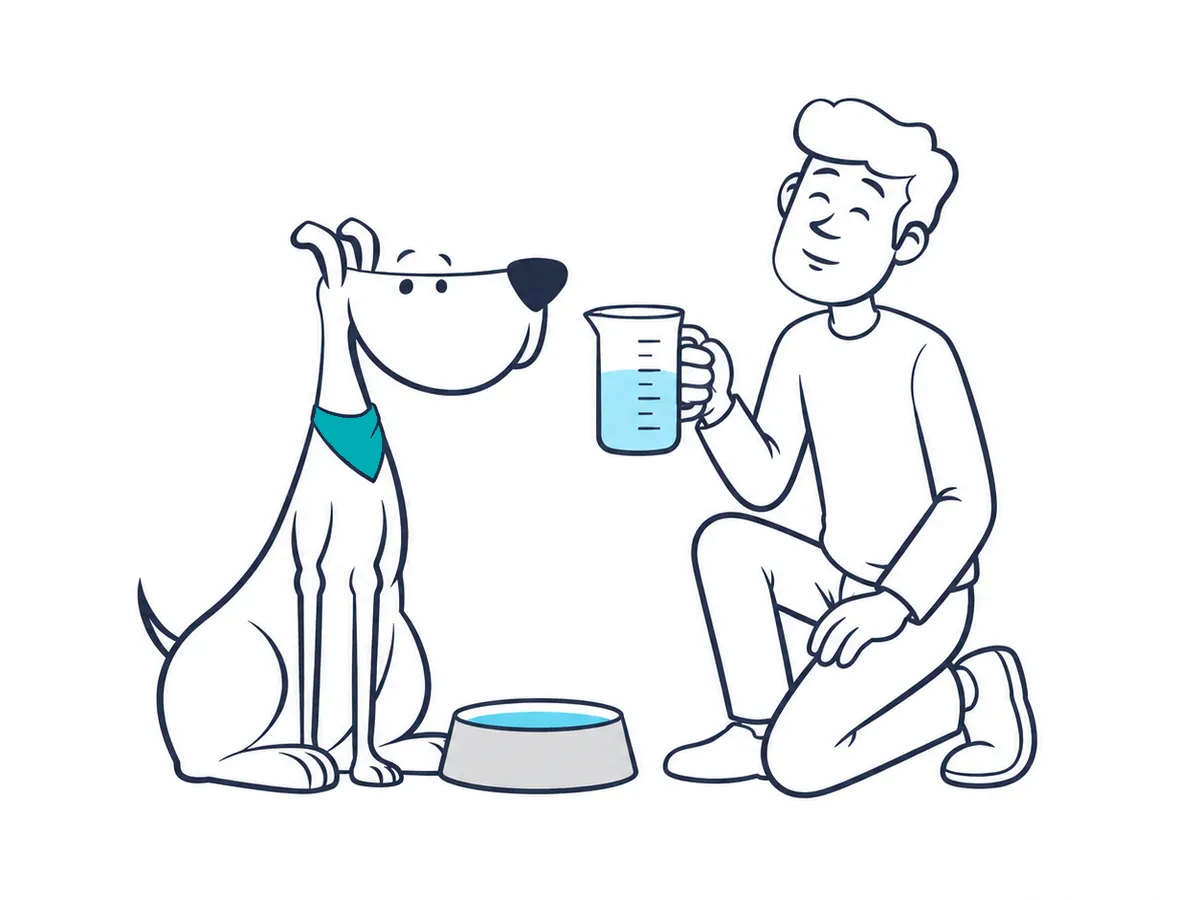
Keep fresh water available. If your dog is comfortable and wants to go outside, offer a quiet toilet break without strenuous exercise or pressure to keep moving. If they are painful or lethargic, prioritise the practice’s instructions.
Prepare a short note for the appointment:
- When they last passed a normal stool and what it looked like.
- How many times they have tried and whether anything came out.
- Whether they are urinating, eating and drinking as usual.
- Any vomiting, pain or change in activity.
- What they have eaten, possible swallowed objects and current medicines.
For example, “They tried three times this morning and only passed hard pellets; they have urinated” is more useful than “They seem off”. This is an example of clear reporting, not a way to judge severity.
What to avoid: oils, laxatives and other remedies
Do not try oils, human laxatives, suppositories or enemas without specific veterinary instructions. Do not attempt to remove stool manually either. Treatment depends on the cause; some laxatives must not be used when there is an obstruction.
Adding lots of fibre is not a universal answer. Your vet may recommend dietary changes, but first needs to assess hydration and the individual problem. Do not alter prescribed treatment or stop medication because you suspect it is causing constipation: ask first.
Possible causes and how they are investigated
Possible causes include dehydration, swallowing material that is difficult to digest, certain medicines or pain when getting into position. Other problems may physically restrict the passage of stool. Watching from the outside cannot reliably tell these apart.
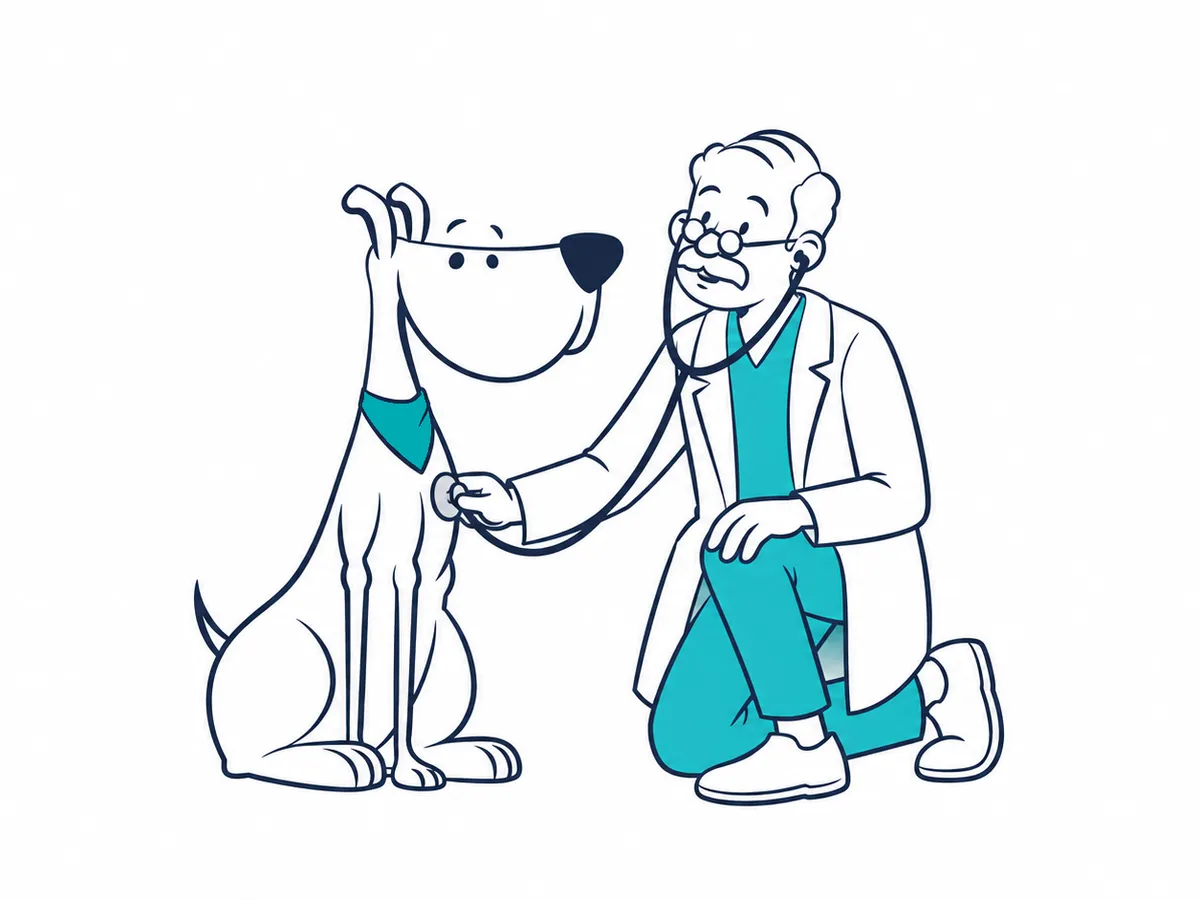
Your dog’s history and examination guide the assessment; imaging or other tests may be needed. Treatment and follow-up advice depend on the findings.
After the appointment: follow the individual plan
Ask what improvement to expect and when to call again if your dog does not get better. Keep a record of bowel movements, appetite and any new symptoms, and note the advice alongside the health information you keep in Miwuki Pet Life, available on Google Play.
To explore the terms of protection for your pet, see Miwuki Veterinary Insurance. Checking a policy should never delay necessary veterinary care.
The key point: if your dog cannot poo, observe, call and follow an individual plan. Avoiding an improvised remedy is part of caring for them too.