Why is my dog shaking? Causes and warning signs

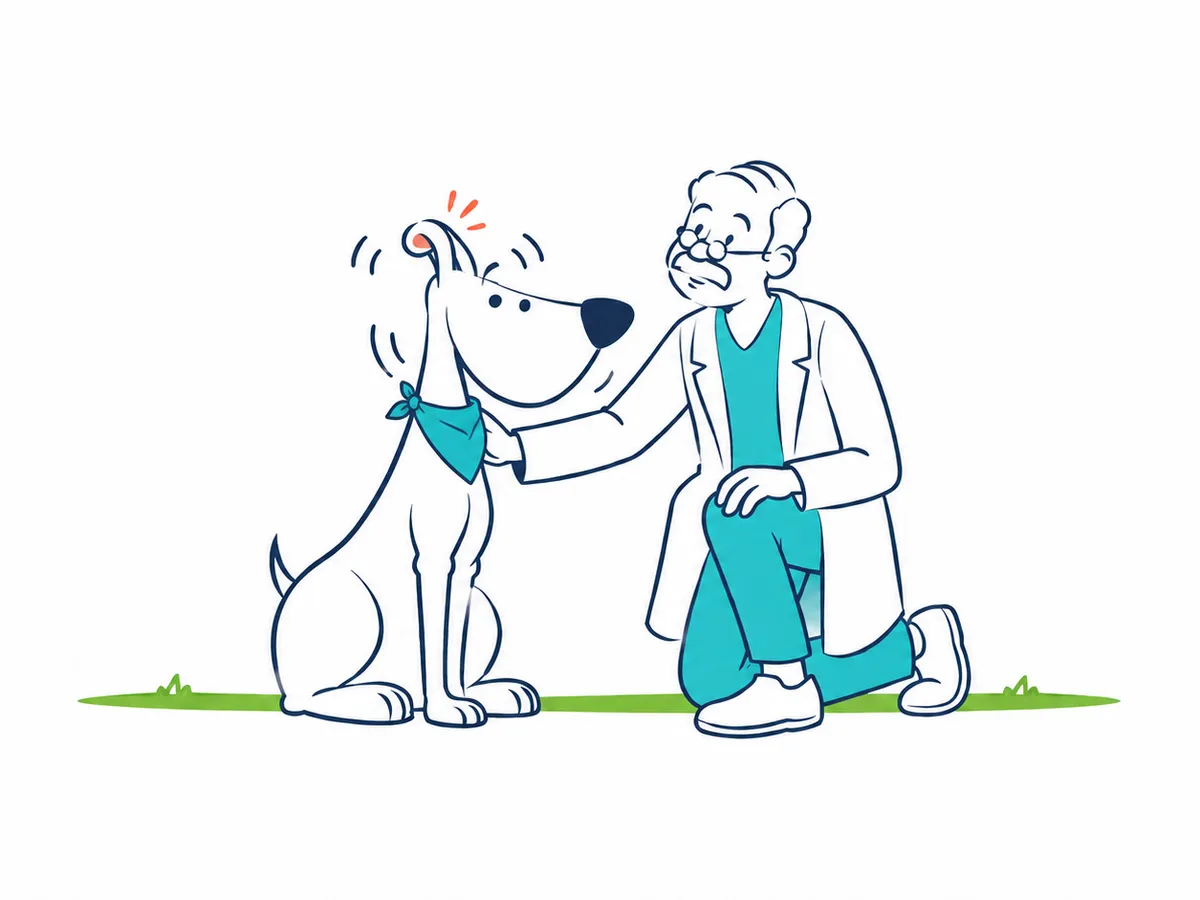
If your dog is shaking, it does not automatically mean they are cold or having an emergency. Excitement, fear or a drop in temperature can cause trembling, but so can pain, nausea, poisoning or a neurological problem. The key is to notice when it began, whether your dog can walk and respond normally, and what other changes are present.
Why is my dog shaking?
A tremor is an involuntary, repeated muscle movement. It is not a diagnosis on its own: it is a sign with many possible explanations. A dog who shivers for a few minutes after getting wet and then returns to their usual self presents a very different picture from one who suddenly starts shaking, becomes lethargic and loses balance.
Look first at three things: context, duration and accompanying symptoms. Age, medical history, medication, possible access to rubbish or toxic substances and any recent change can also help the veterinarian narrow down the cause.
When is shaking an emergency?
Contact an emergency veterinary clinic immediately if the shaking is severe, does not stop or appears with any of these signs:
- difficulty breathing or very pale, blue or grey gums;
- loss of consciousness, collapse, whole-body stiffness or seizures;
- inability to stand, marked loss of balance or sudden weakness;
- repeated vomiting, a swollen abdomen or obvious pain;
- fever or an abnormal temperature, if you know how to check it safely;
- possible ingestion of medication, household chemicals, plants, mouldy food or another dangerous substance;
- tremors in a pregnant or nursing dog;
- rapid deterioration or behaviour that is clearly unlike your dog’s usual self.
If you suspect poisoning, call before trying a remedy. Do not induce vomiting or give activated charcoal, milk, oil or human medication unless a professional specifically directs you to do so for that case.
Common reasons a dog may shake
Cold, excitement or fear
Some dogs shiver after getting wet, in cold surroundings, before a walk or during something frightening. Fireworks, a veterinary visit or a sudden noise may trigger it. In these cases there is usually an identifiable stimulus, and the dog remains conscious and in control of their body.
A quiet environment and comfortable temperature may help, but do not assume it is “just nerves” if the episode is new, severe or accompanied by pain, lethargy or poor coordination. If it happens when your dog is left alone, this guide to separation anxiety in dogs explains which other signs to look for.
Pain, fever or illness
Pain can cause shaking, a hunched posture, panting at rest, avoidance of touch or difficulty settling comfortably. Chills may also occur with fever or during an illness. Dogs do not always vocalise when something hurts, so a subtle change in movement, appetite or interaction may matter.
Nausea, weakness or low blood sugar
A nauseated dog may shake while also licking their lips, drooling, swallowing repeatedly or vomiting. Weakness and some metabolic disorders can also cause tremors. Very young puppies, small dogs and animals receiving insulin need particularly prompt assessment if they are weak, disoriented or unwilling to eat.
Poisoning or a medication reaction
Chocolate, products containing caffeine, certain insecticides, human medication, cannabis, antifreeze, baits and spoiled food are just some possible hazards. Poisoning may cause tremors alongside vomiting, drooling, agitation, drowsiness, poor coordination or seizures.
Remove access without putting yourself at risk, keep the packaging or take a photo of it, and call your veterinarian. If the possible trigger came from the kitchen, also review our list of toxic foods for dogs and cats.
Neurological or metabolic problems
Diseases of the nervous system, some liver or kidney disorders, electrolyte changes and other conditions can produce tremors. Sometimes the whole body is affected; in other cases, only the head or one limb. Location alone cannot reveal the cause, so recording the episode is more helpful than attempting a diagnosis at home.
Is it a tremor or a seizure?
During many tremors, a dog remains conscious, looks at you and can respond. During a seizure, they may fall, become rigid, move their legs involuntarily, salivate, lose bladder or bowel control, or fail to respond. However, some episodes are difficult to distinguish by sight alone.
Do not put your hands in their mouth. Move nearby objects out of the way, reduce light and noise, time the episode and call an emergency clinic if it continues, recurs or your dog does not recover normally. A safe video, taken without delaying care, can be very useful to the veterinarian.
What to do at home while deciding whether your dog needs care
- Make the area safe. Move your dog to a quiet space without stairs or objects that could cause injury.
- Observe without forcing them. Check whether they respond, breathe normally, can walk and show signs of pain.
- Record and time it. Note the start, duration, affected body part and what happened immediately beforehand.
- Review the context. Look for open packaging, disturbed rubbish, medication changes, a fall or cold exposure.
- Call with the facts ready. The veterinarian can advise whether your dog needs emergency care, a same-day appointment or guided monitoring.
Do not force food or water during a severe episode, and never give human painkillers. Even everyday medicines for people can be dangerous to dogs.
Common mistakes when a dog is shaking
- Always wrapping them up and waiting. Cold is one possibility, not a universal explanation.
- Putting it down to age. An older dog may tremble, but a new change still deserves assessment.
- Punishing a fear response. This increases stress and does not address the trigger.
- Giving leftover medication. The correct drug and dose depend on the cause and the individual patient.
- Not recording the episode. It may have stopped by the appointment, and video can provide useful clinical information.
- Waiting despite warning signs. Shaking combined with collapse, breathing difficulty, toxin exposure or poor coordination calls for action.
What information should you give the veterinarian?
Explain when it started, how long each episode lasts and whether it happens at rest, during sleep, while walking or in response to a stimulus. Mention changes in appetite, thirst, urination, stools, vomiting, breathing, movement and behaviour. What your dog has eaten, any medication and possible access to rubbish or hazardous substances also matter.
You can use Miwuki Pet Life to keep a record of symptoms, appointments and care reminders: download Miwuki Pet Life from Google Play. To plan for costs from consultations, tests or treatment, review the terms of Miwuki Veterinary Insurance.
Conclusion
If your dog is shaking, look at the complete episode rather than the movement alone. A clear trigger and quick recovery may point to cold or excitement; sudden onset, worsening or symptoms such as weakness, vomiting, pain, disorientation or difficulty walking justify veterinary advice. When in doubt or if poisoning is possible, calling a veterinarian early is the safest choice.