Dog pulling on the lead: how to teach calmer walks
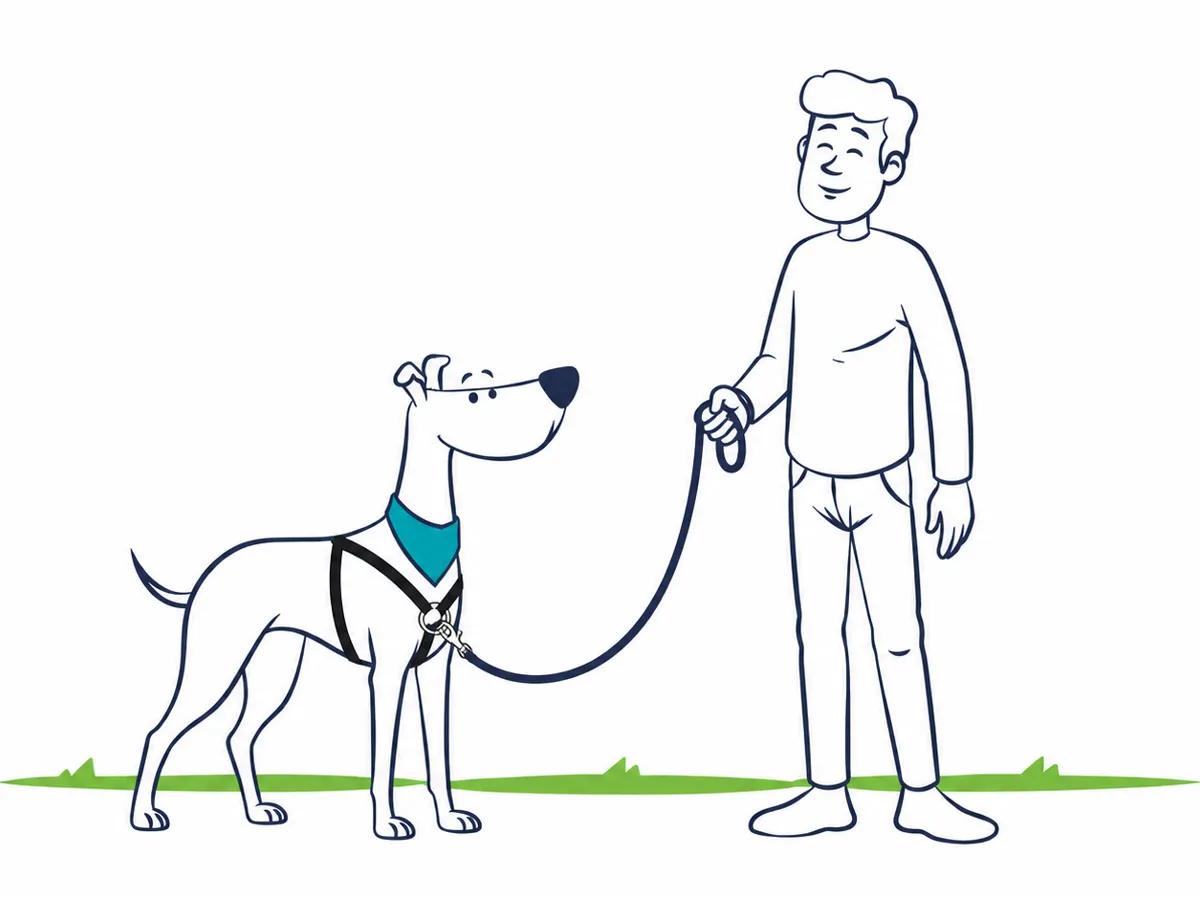
If your dog pulls on the lead, practise somewhere quiet, reward steps taken on a loose lead and stop gently when it starts to tighten. Move on when it becomes slack again, without jerking the lead or scolding. If your dog is trying to escape something frightening, getting to a safer distance comes before training.
The aim is to walk comfortably together. Your dog does not need to stay pressed against your leg or watch you throughout the walk: exploring matters too.
Why dogs pull on the lead
Your dog may want to reach a smell, move faster or have learned that pulling gets them where they want to go. They may also feel unsafe. Notice what happens just before they pull: are they rushing out, spotting another dog or trying to get away from a noise?
For a recently adopted dog, adjust your expectations while they settle in. Our guide to the 3-3-3 rule after adoption explains why giving them time matters, without treating those stages as deadlines.
Choose comfortable equipment and an easy setting
Use comfortable, properly fitted equipment that does not rub or restrict movement. A harness may help you manage walks, but equipment alone does not teach loose-lead walking. Never attach a lead to a bandana or decorative accessory.
Start at home or in a quiet, safe place, with small treats your dog enjoys. Introduce the equipment gradually. Avoid tools that tighten or cause pain in an attempt to stop pulling.
How to teach loose-lead walking, step by step
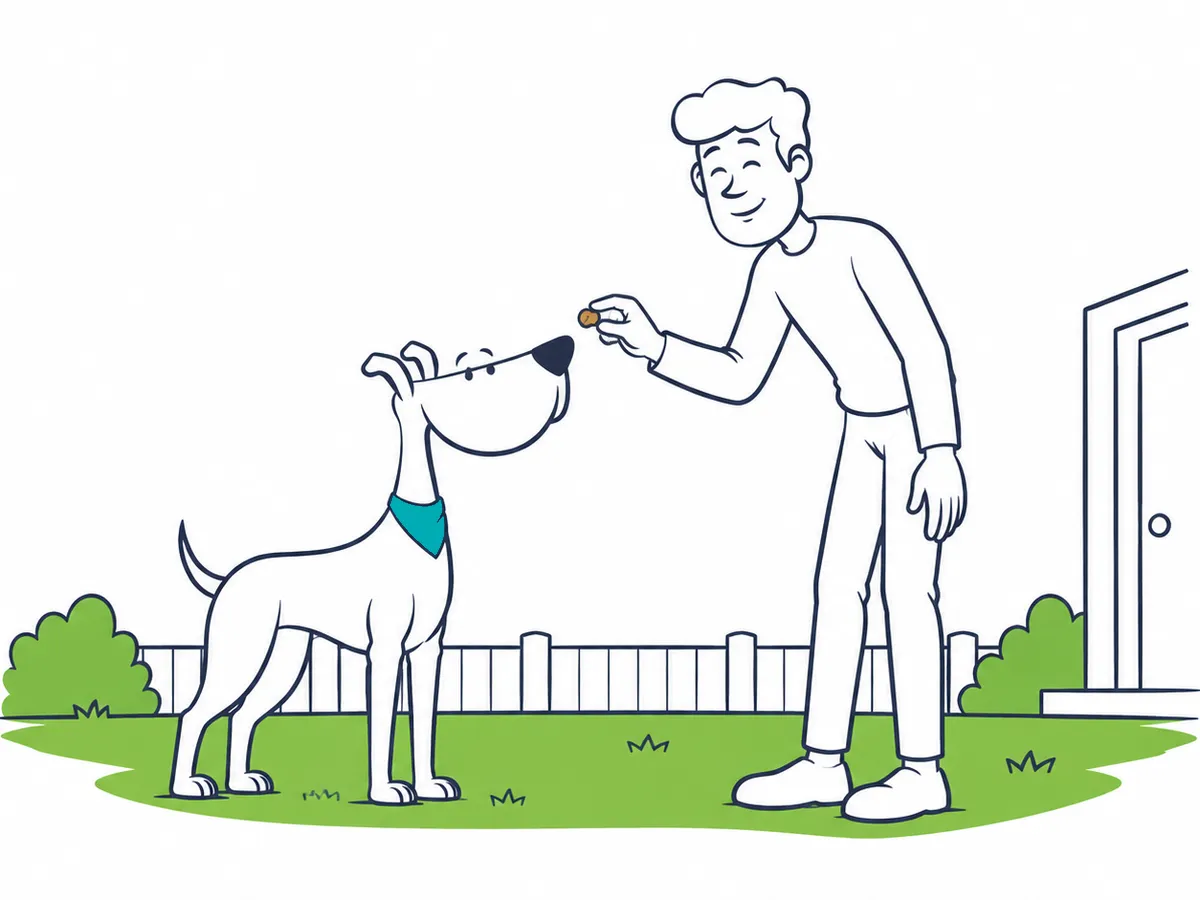
- Reward staying nearby. While standing still, reward your dog for coming to your side or choosing to pay attention to you.
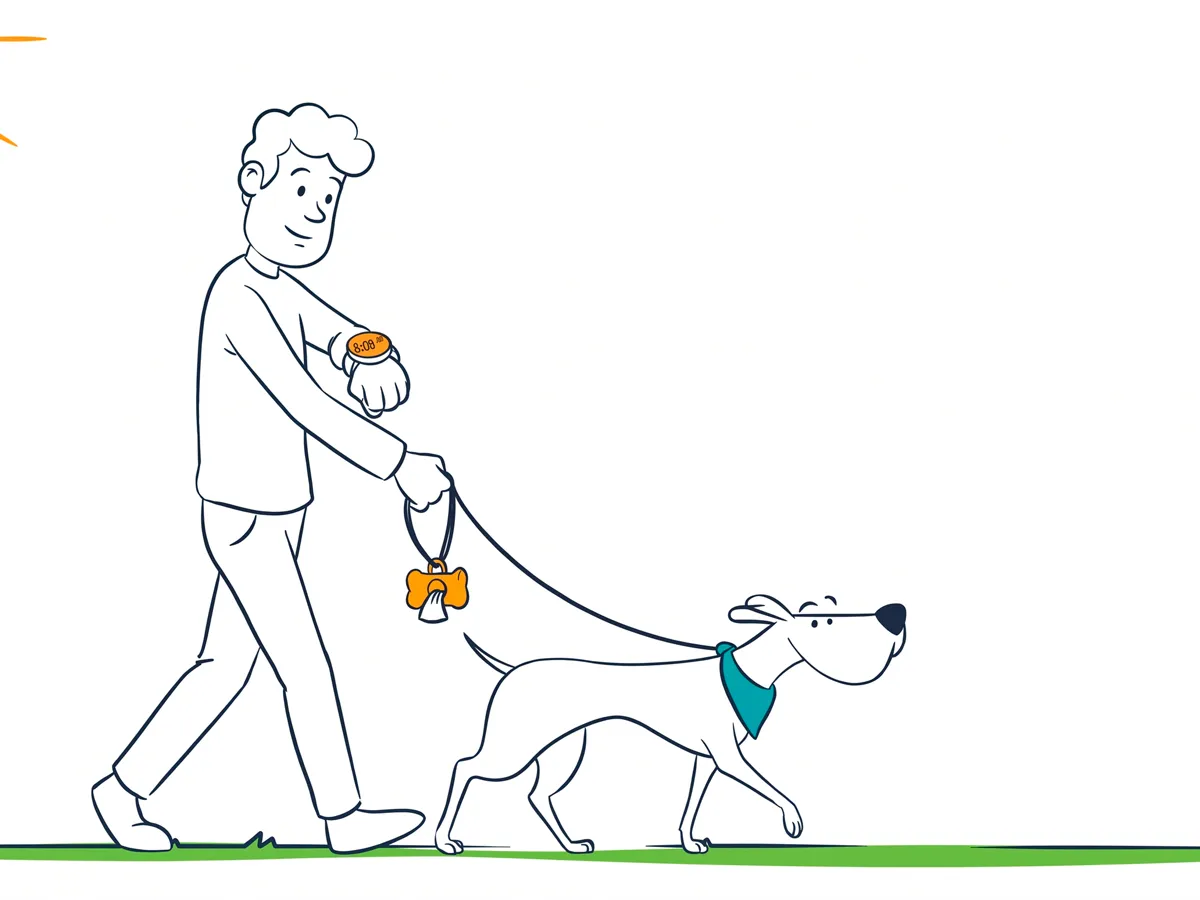
- Add a few steps. Walk slowly and reward while the lead is still loose, before your dog moves too far away.
- Pause when it tightens. Stop without jerking the lead. When your dog comes back towards you and it becomes slack, continue. If they cannot focus, find an easier setting.
- Keep practice short and regular. Add distractions gradually, returning to an easier stage if your dog struggles.
- Make room for sniffing. Calmly reaching an interesting smell can be a reward too.
For example, if your dog pulls towards a tree, the entire street need not become a training exercise. Practise a short stretch with a loose lead, then let them investigate the tree. Choose a distance they can manage that day.
Mistakes that make learning harder
- Only noticing your dog when they pull, while overlooking calm moments worth rewarding.
- Keeping the lead permanently tight or correcting with sharp jerks.
- Starting on a street full of distractions.
- Preventing sniffing throughout the walk.
- Expecting results within a fixed number of days.
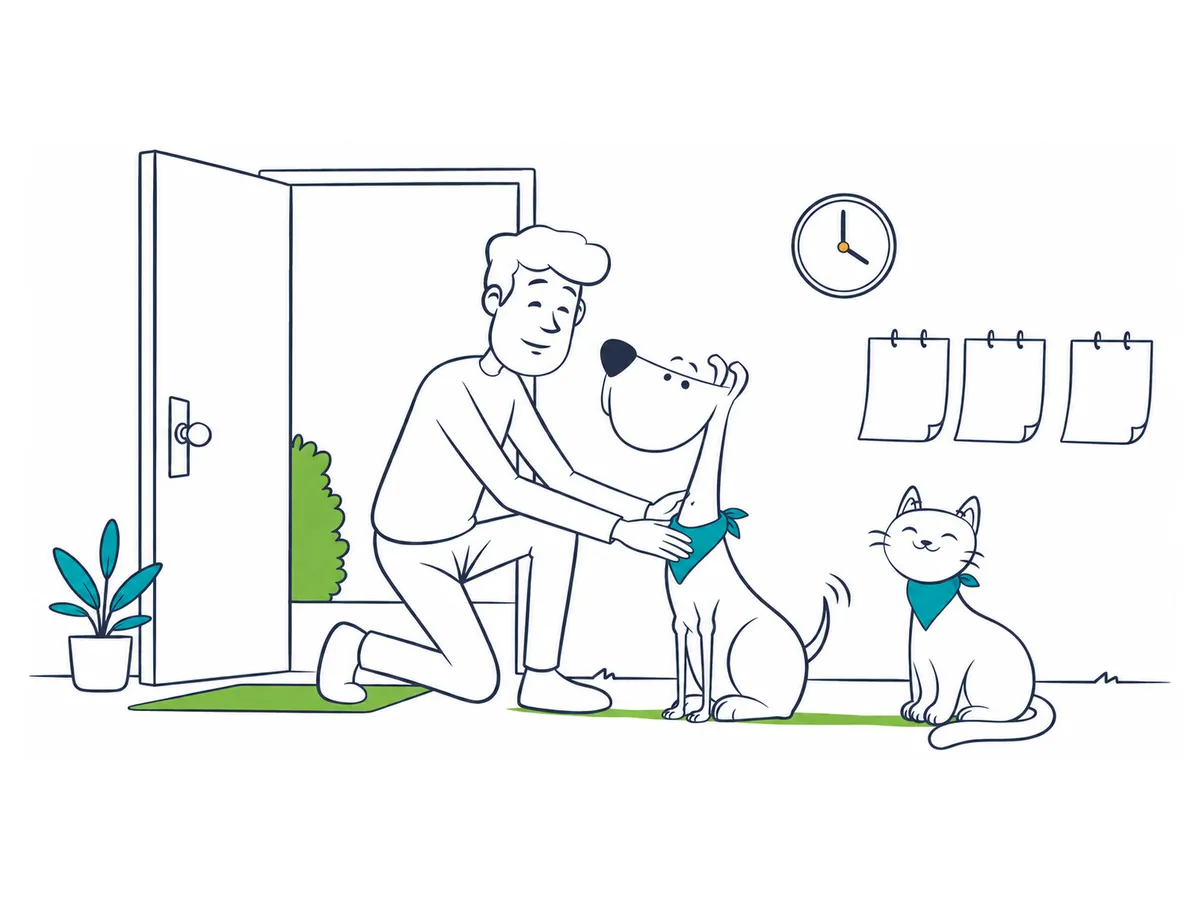
A daily routine suited to your dog helps organise walks and rest. Note which places are easier and share those observations with anyone else who walks them. You can also explore Miwuki Pet Life to support their everyday care.
When to ask for help
If your dog barks, lunges or tries to flee, increase the distance and seek a behaviour professional who uses reward-based methods. Do not force them closer to make them “get used to it”.
A sudden change, pain or reluctance to walk warrants veterinary advice. If you cannot hold your dog safely, get help before continuing practice in difficult situations.
What to remember on your next walk
Reward a loose lead, make the task easier and leave time to explore. Look for small, observable improvements, such as managing a quiet stretch with less tension, instead of expecting an entire perfect walk.