How often should you bathe a dog? A practical guide
There is no single bathing schedule that suits every dog. Frequency depends on their skin, coat and activities: healthy dogs need baths when dirty, while a skin condition may require a specific veterinary plan. A weekly bath is not a general requirement.
Before turning on the tap, ask: does your dog need a full bath, a paw clean, or a vet’s advice about that smell that keeps coming back?
How often does your dog need a bath?
The Royal Kennel Club describes bathing every few months unless dirt or other needs call for it; Virginia Tech gives 4 to 12 weeks as a guide for many healthy dogs, depending on coat and lifestyle. These are broad reference points, not deadlines to follow when your dog is still clean.
- Clean and comfortable: keep up brushing appropriate to their coat and watch how they get on.
- Muddy paws only: clean and dry the affected area; consider whether a full bath is necessary.
- Rolled in something dirty: a bath may be needed sooner than usual.
- Itchy, sore or inflamed skin: ask your vet before changing shampoo or bathing more often.
Long coats need attention to tangles, but more brushing does not automatically mean more shampoo. For seasonal loose hair, see our guide to dog shedding in autumn.
What to prepare before bath time
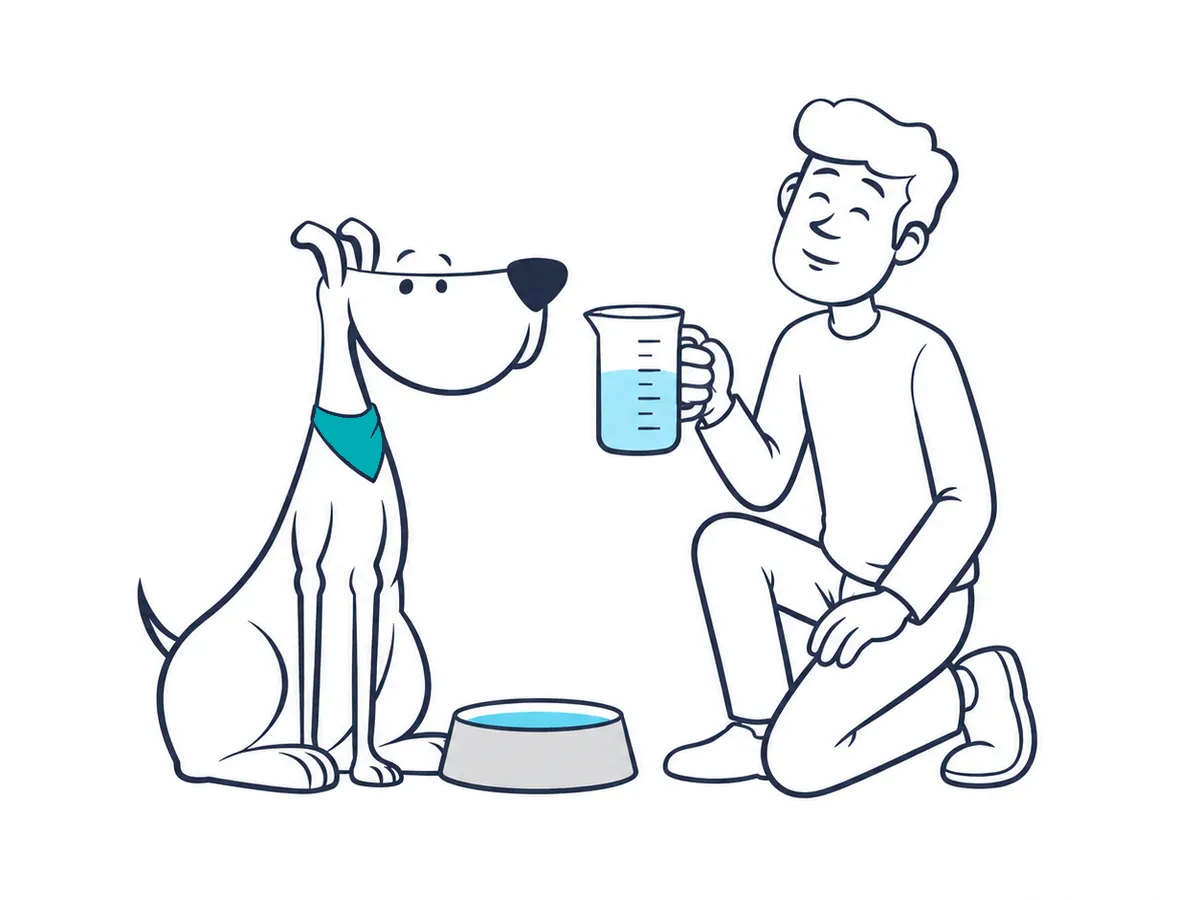
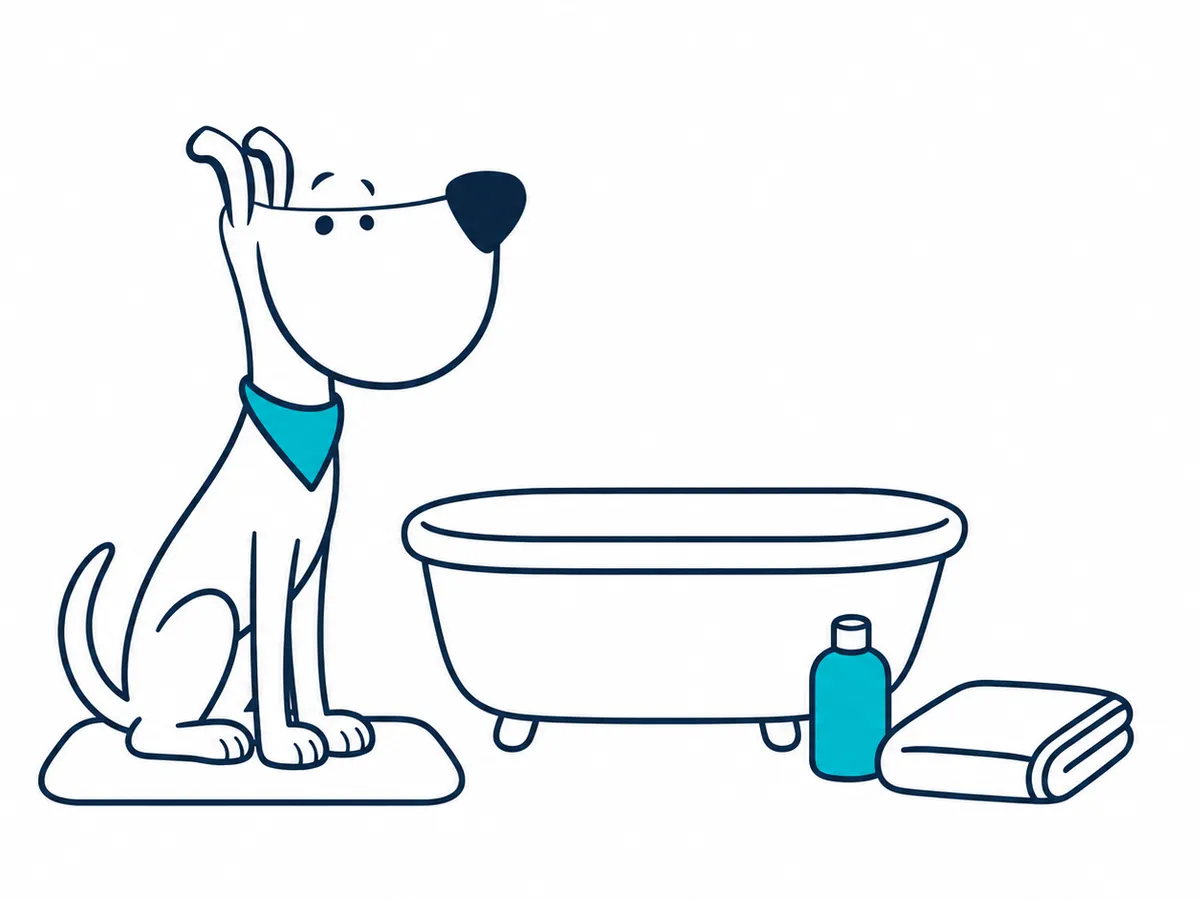
Have dog shampoo, clean towels and a non-slip surface ready. Check the product instructions. For prescribed treatment, follow your vet’s bathing frequency and contact time.
Try a quick practical check: can you reach the towel while keeping your attention on your dog? Preparing everything first avoids having to leave halfway through.
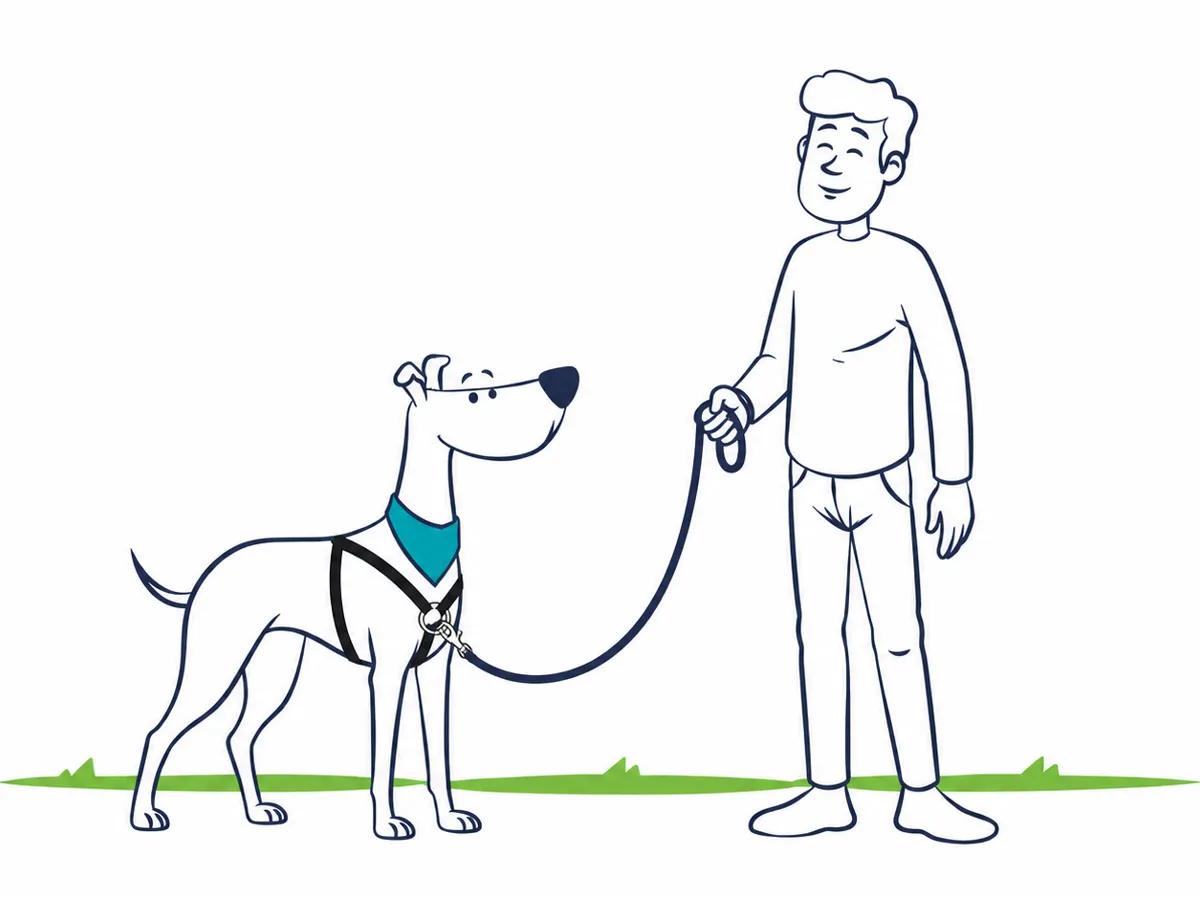
Remove accessories before wetting the coat. The illustration shows preparation, with the dog still outside the bath; a bandana should not stay damp against their neck.
How to bathe your dog calmly
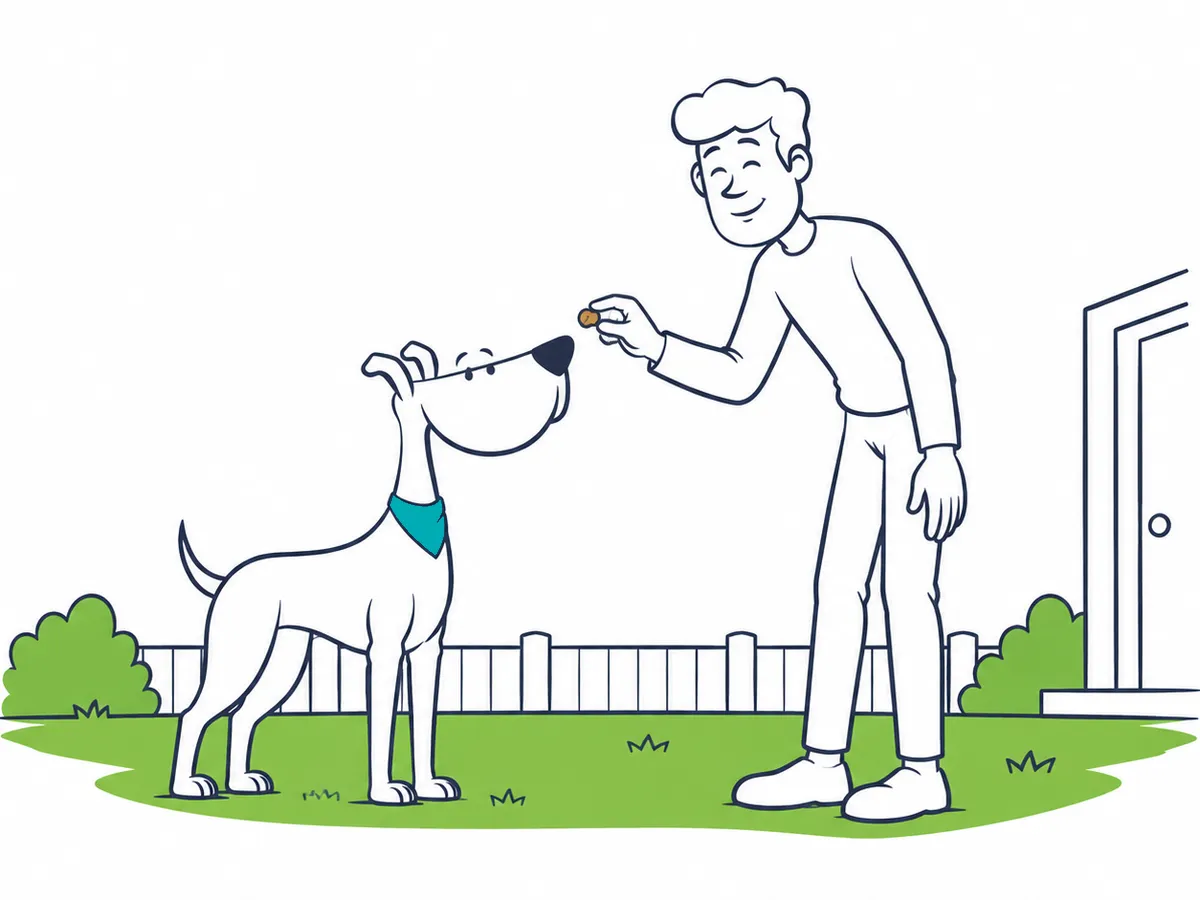
- Start dry. Let your dog get used to the bath or shower with treats and secure footing. Introduce water gradually.
- Use lukewarm water. Wet the coat gently, keeping the spray away from eyes, nose and ears.
- Use the right product. Do not improvise with your own shower gel or shampoo. Work gently and follow the label.
- Rinse carefully. Check places where product can linger rather than stopping as soon as visible foam disappears.
- Dry down towards the skin. Gently press with a towel. If using a dryer your dog tolerates, avoid high heat and keep the airflow moving.
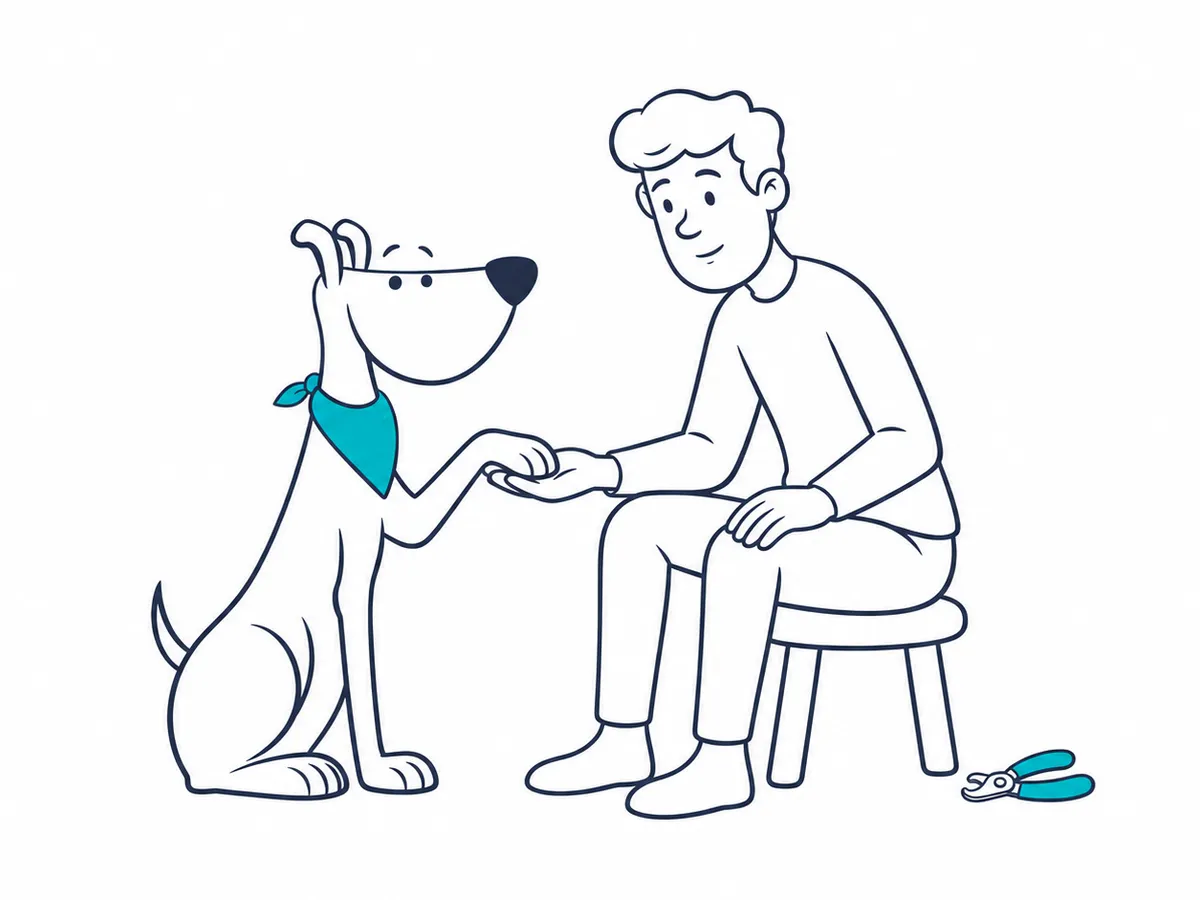
If your dog struggles to escape or becomes very frightened, stop and ask for help with gradual familiarisation. Your dog’s daily routine can include brief, relaxed handling sessions; bathing, nail care and brushing do not all have to happen at once.
Common mistakes to avoid
- Judging only by smell. Persistent odour needs its cause investigated, not a string of extra baths.
- Scrubbing hard or pulling at tangles. Seek professional grooming help if knots will not ease out gently.
- Keeping diluted shampoo for next time. Prepare only what you need, following the manufacturer’s instructions.
- Leaving the coat damp. Check skin folds and spaces between the toes in particular.
When to contact your vet
Ask your vet about redness, bumps, significant itching, pain when touched, sores or an unusual smell after bathing. If problems recur, note which product you used and when the signs started: this helps the consultation but does not replace an examination.
Good bathing care means responding to your dog’s needs. You can use Miwuki Pet Life to help organise their care. Keep the shampoo name and any professional instructions together so everyone in the household follows the same plan.