Dog shedding in autumn: what to do
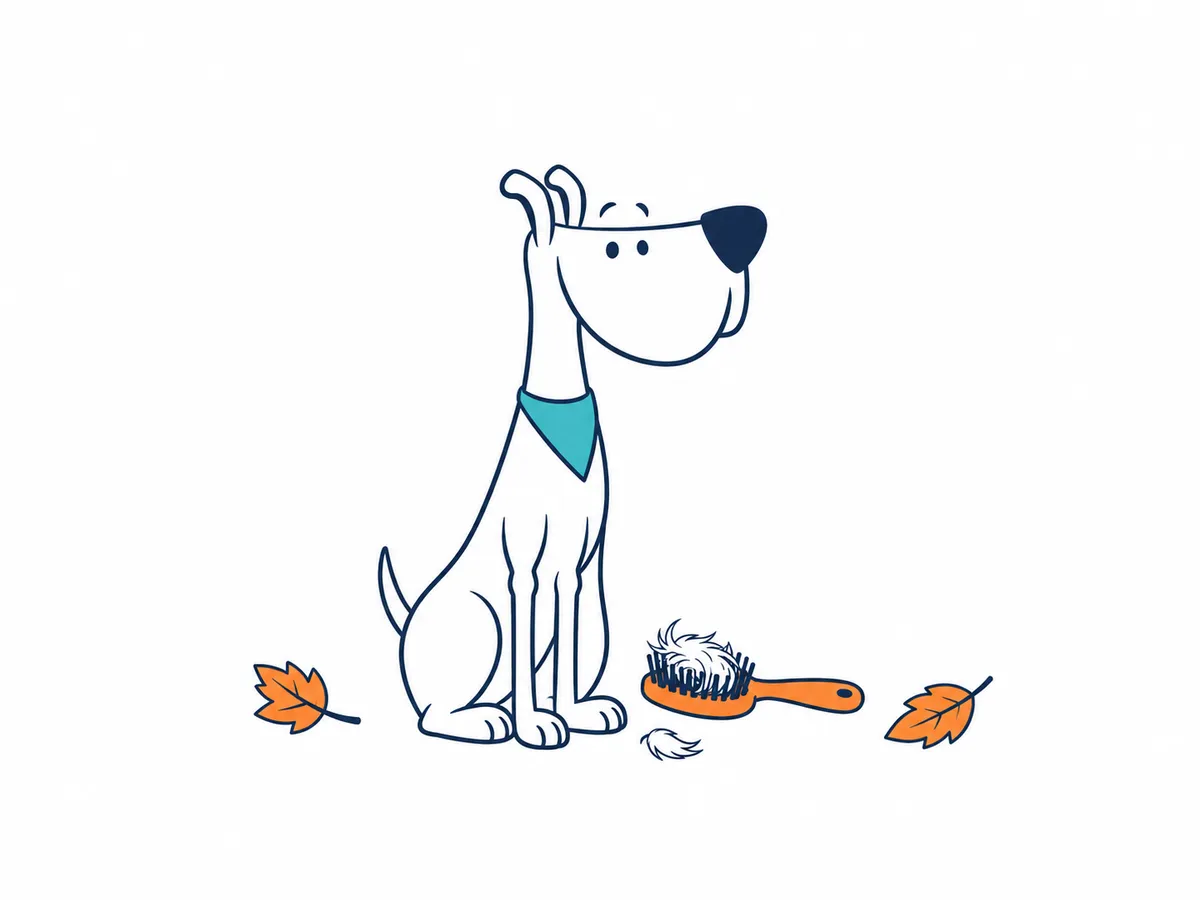
Dogs may shed more in autumn, but seasonal moulting should not leave new bald patches. If there is more loose hair but the skin looks healthy, adapt grooming to your dog’s coat. Bald areas, itching or skin damage call for veterinary advice: do not automatically blame the season.
Why dogs shed more and how long it lasts
Moulting replaces the coat. How much a dog sheds depends on the individual and factors such as light and temperature; some shed throughout the year. There is no fixed number of weeks that applies to every dog. Comparing changes with their usual pattern is more useful than setting a deadline.
If your dog has just joined your household and you do not know that pattern, start recording observations without assuming every change is normal.
What to check before reaching for the brush
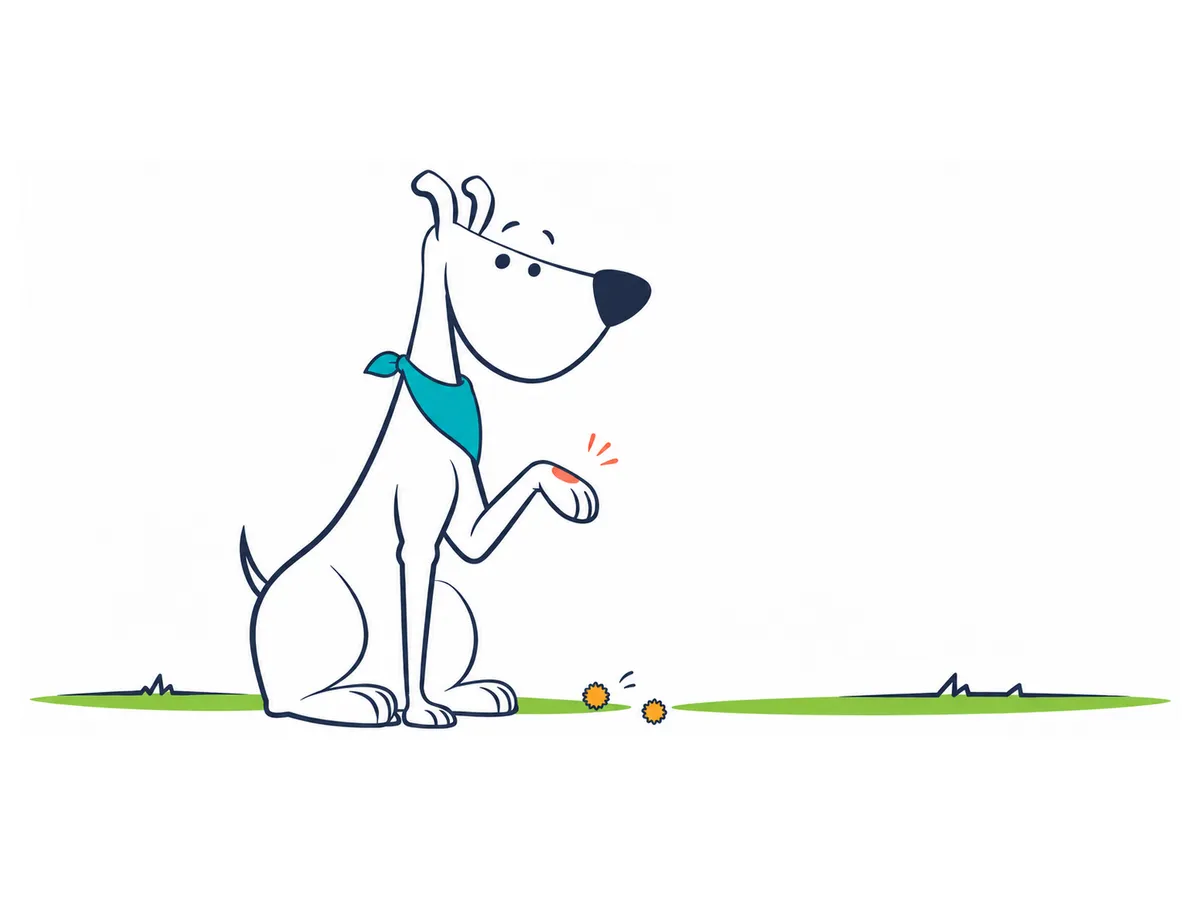
Gently part the coat where you have noticed a change. Is the coverage even, or is there a new bare area? Does the skin look calm or red? Notice whether your dog licks, scratches or avoids being touched.
A dated photo of the same area in similar lighting can help explain what has changed. You do not need to count hairs: “they have been chewing this flank since Monday” provides more context than “they shed so much”.
How to help during moulting
Keep grooming comfortable and suited to the coat
Brushing removes dead hair and gives you a chance to check the skin. The right tool and frequency depend on coat type; ask for guidance if you are unsure. Start with brief contact at a calm moment and finish before your dog becomes uncomfortable. Do not pull at mats or keep brushing a painful area.
Build a routine you can maintain
Keep the brush with your dog’s care supplies and choose a time that fits your daily dog-care routine. A specific task —checking the back after a walk, for example— is easier to remember than “keep an eye on the coat”.
You can explore Miwuki Pet Life as a resource for organising care. Keep the observations you would like to discuss with your vet, too.
Common mistakes to avoid
- Brushing harder and harder in an attempt to stop shedding.
- Introducing several products at once: it then becomes difficult to explain what changed.
- Giving supplements or applying home remedies to a bald patch without knowing its cause.
- Mistaking an infestation for moulting: our flea and tick guide explains what to look for, but cannot replace an examination.
When to arrange a veterinary check
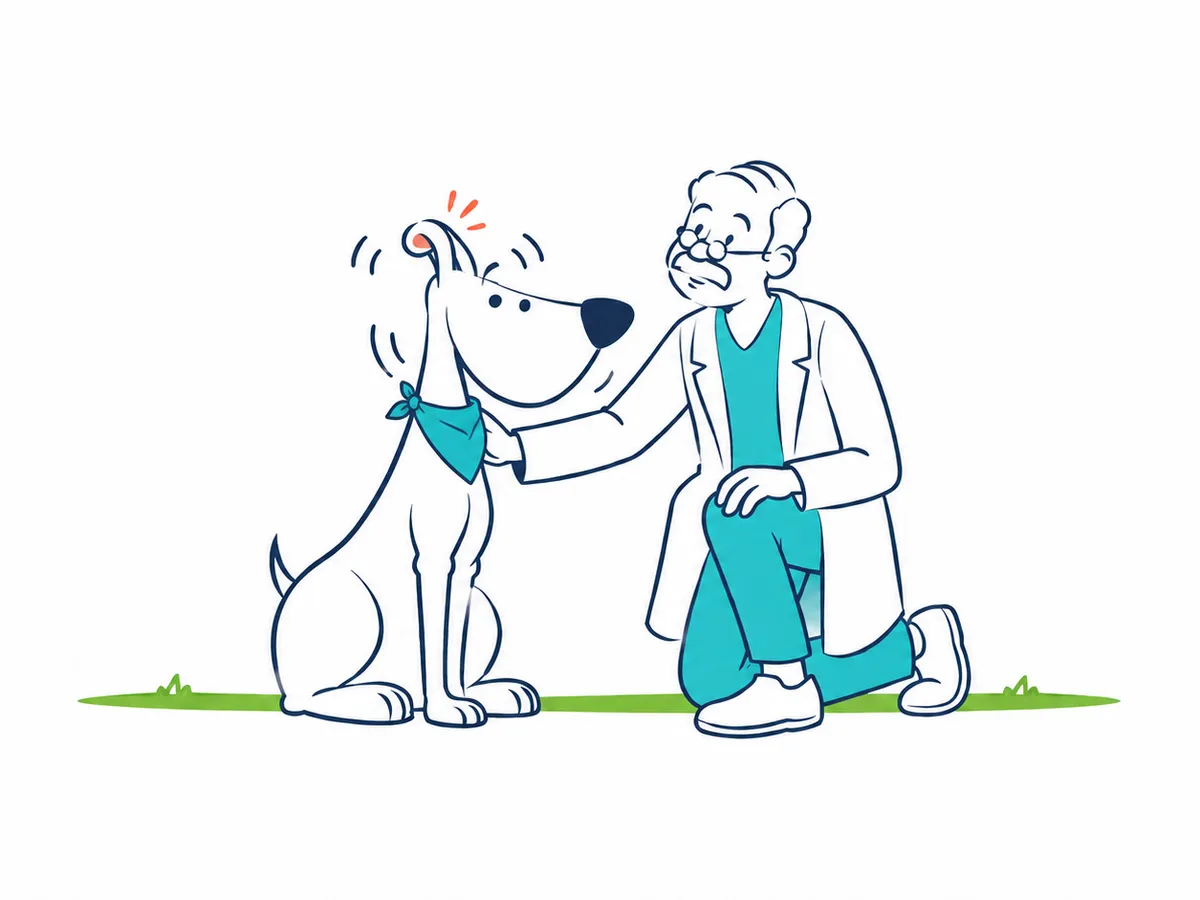
Seek advice for new bald patches, persistent scratching, scabs or pain. Mention changes in appetite, thirst or energy as well. Localised hair loss has several possible causes; a photograph alone cannot diagnose them. Contact your vet promptly for significant wounds or a marked decline in your dog’s general condition.
To plan for future costs, you can review the terms of Miwuki Veterinary Insurance. Do not assume an existing problem is covered or delay a consultation while arranging insurance.
Conclusion
During autumn shedding, look at the skin as well as the loose hair. Bring a simple record to the consultation: when it started, affected areas, discomfort and products used. This turns a general concern into useful information.