Why is my dog shaking their head? Causes and next steps
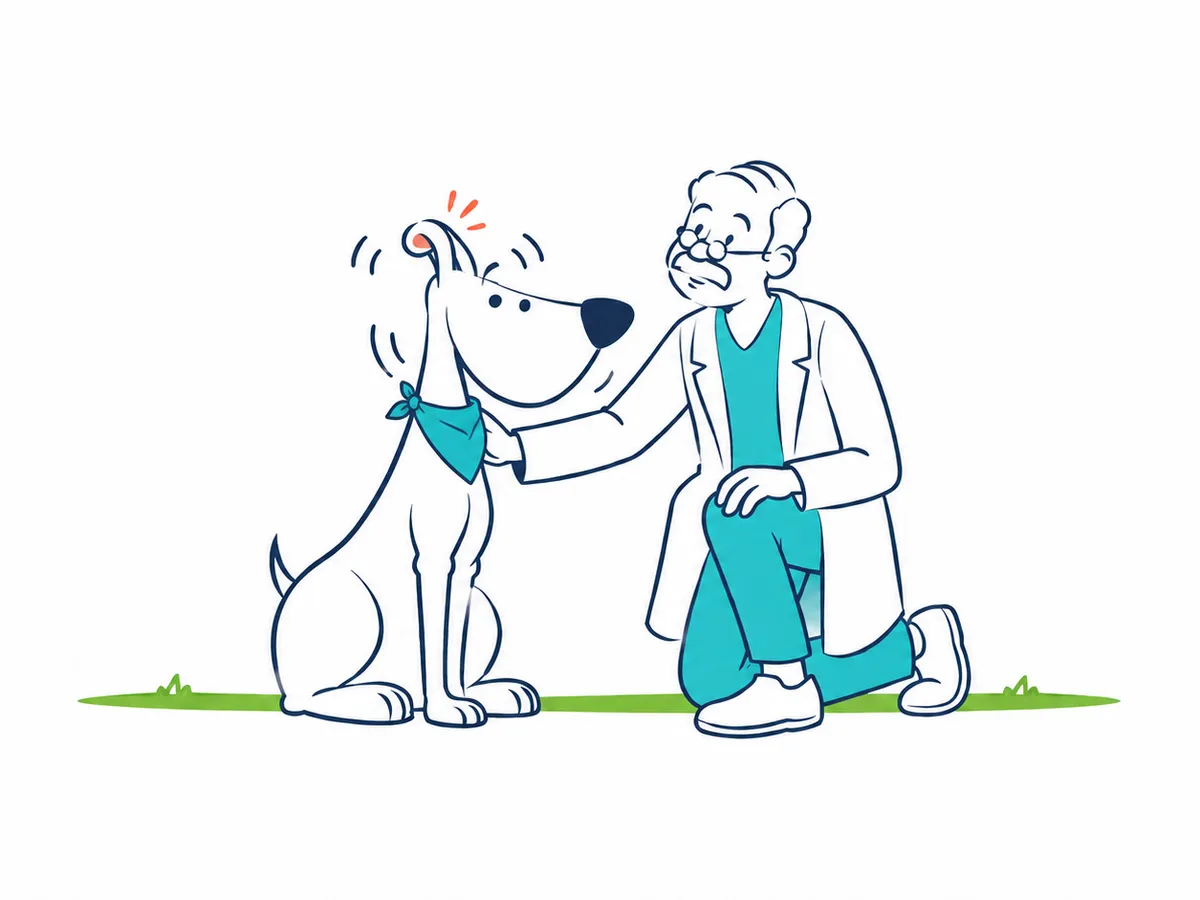
If your dog keeps shaking their head, they may have itching, pain or something inside an ear. Ear inflammation, allergies, parasites and foreign material are possibilities, but the movement alone cannot tell you which. Contact your vet if it keeps happening, especially with an unusual smell, discharge or discomfort. Loss of balance, inability to stand or difficulty breathing calls for urgent veterinary attention.
An occasional shake is different from a persistent problem
A brief shake after getting up or getting wet may occur without illness. Repeated shaking that interrupts rest, frequent scratching or reluctance to have the head touched is more concerning. You do not need to wait for pus before seeking advice.
A video helps explain what is happening: shaking the ears is not the same as a whole-body tremor. Note when it began and whether one side seems affected. These observations support the consultation; they cannot replace it.
Causes your vet may investigate
Ear inflammation and infection
Otitis externa means inflammation of the external ear canal. Bacterial or yeast overgrowth may be involved, but the same drops are not suitable for every sore ear. Examining the ear and, where appropriate, analysing a sample helps guide treatment.
Allergies, parasites or foreign material
Allergies can affect the ears. A grass seed or other plant material can also cause irritation, sometimes starting suddenly after a walk. Do not try to retrieve an object by putting tweezers into the canal.
Mention any paw licking too: your vet can consider these signs together. Our guide to persistent paw licking explains useful observations without automatically blaming everything on an allergy.
Signs that change the urgency
- Loss of balance, falls, a persistent head tilt or abnormal eye movements: contact a vet without delay; do not assume the ear is simply dirty.
- Severe pain, blood or sudden continuous shaking: arrange prompt assessment, especially after walking through grass.
- An earflap swollen like a cushion: this could be an aural haematoma. Do not puncture or squeeze it to drain it; seek veterinary assessment.
- Facial swelling with difficulty breathing: seek emergency care.
An ear haematoma is a collection of blood within the earflap and can be associated with scratching or shaking. Treating only the swelling without investigating the underlying irritation may leave the cause unresolved.
What to do while arranging the appointment
Look only at the visible outer area if your dog allows it. Do not force the ear or firmly restrain a painful dog: they may react defensively. Avoid wetting the ear and prepare a list of products used and previous treatments.
Do not insert cotton buds, alcohol, hydrogen peroxide, oils or leftover ear drops. Ask your vet before putting cleaner into a painful ear: the condition of the canal and eardrum matters. Do not change prescribed treatment without advice.
You can explore Miwuki Pet Life to support your dog’s care. If you are considering protection for future needs, read the terms of Miwuki Veterinary Insurance; do not assume existing symptoms are covered or delay veterinary attention while arranging insurance.
If shaking returns after treatment
A recurrence needs review, even if a product helped previously. Bring the medicine’s name and the dates it was used. If preventive cleaning is recommended, ask for a demonstration and a schedule suited to your dog; more cleaning is not always better.
Conclusion
When your dog keeps shaking their head, identify the pattern, avoid improvised remedies and get the cause checked. A photo, a video and a short record of changes are more useful than trying different drops at home.