Shaker syndrome in dogs: symptoms, diagnosis and treatment
Shaker syndrome in dogs is a generalised tremor of the head and body that appears without an identifiable cause and usually responds well to treatment prescribed by a vet. It is also called little white shaker syndrome because it was first described in small white breeds, but it can affect dogs of any coat colour. Before using this label, other causes of trembling need to be ruled out, and some of them are emergencies.
What is shaker syndrome in dogs?
Veterinary literature uses several names for it: idiopathic generalised tremor syndrome, steroid-responsive tremor syndrome or little white shaker syndrome. “Idiopathic” means the exact cause is unknown. The most widely accepted theory is that it is an immune-mediated inflammatory process affecting the nervous system, particularly the cerebellum, the area that coordinates movement.
It is not the same as a dog shivering from cold or fear. In shaker syndrome the tremor starts fairly suddenly, persists and cannot be explained by the environment or a passing emotion.
Why is it called little white shaker syndrome?
Because the first cases were described in small white dogs such as the Maltese and the West Highland White Terrier. Over the years, cases have been documented in many other breeds, in crossbreeds and in dogs with other coat colours. The popular name has stuck, but you should not rule the syndrome out just because your dog is not white.
Which dogs are most often affected?
The most common profile is a small, young dog:
- Small breeds. Besides the Maltese and the Westie, the Bichon Frise and the Havanese are often mentioned, and crossbreeds are affected too.
- Age. It usually starts in early adulthood, often between one and two years of age. In a study published in 2024, most affected dogs were under five years old and weighed less than 15 kg.
- Sex. Females predominated in that same study, although males are affected too.
Fitting this profile does not mean your dog will develop the condition. It is uncommon, and the profile only guides your vet.
Symptoms: what the shaker syndrome tremor looks like
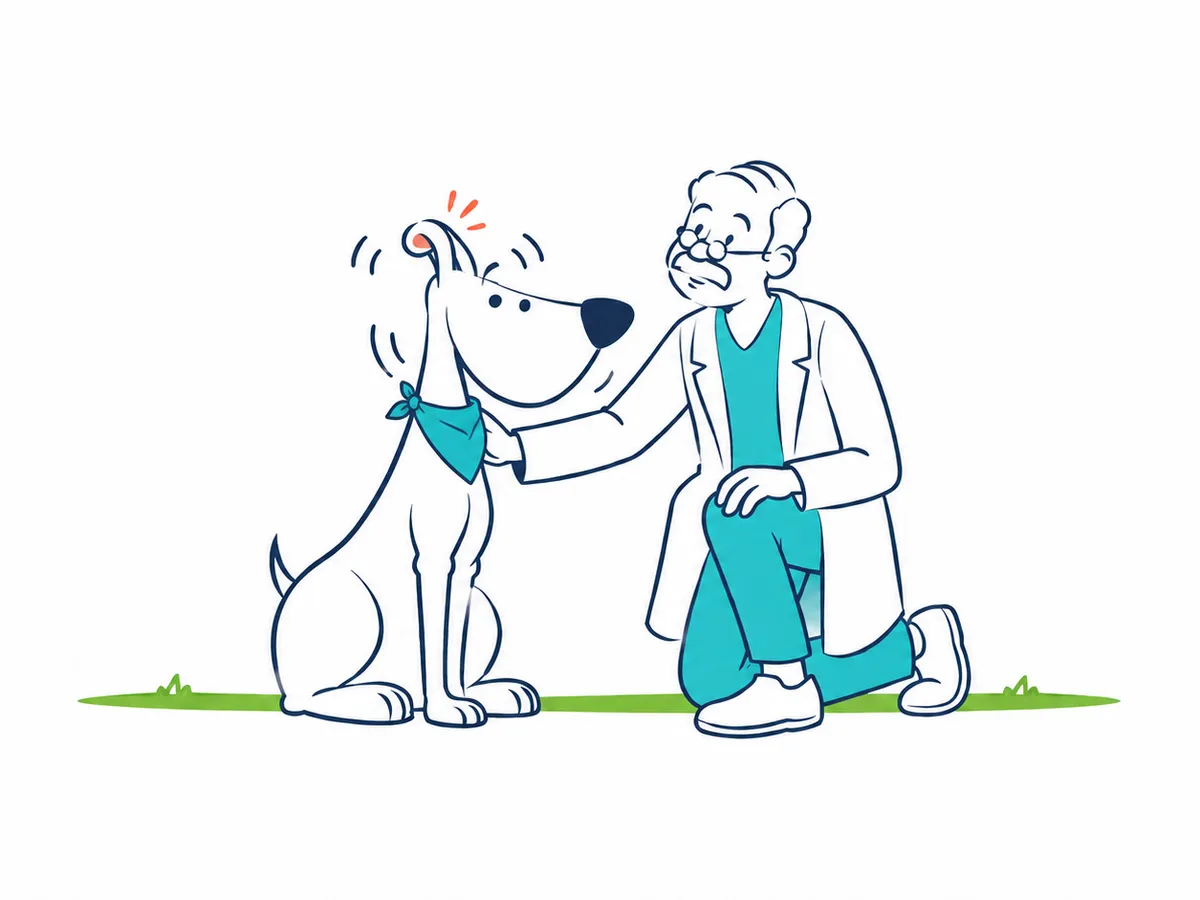
The main sign is a fine, rhythmic, involuntary tremor affecting the head and body. Some features help you recognise it:
- It gets worse with excitement, exercise or anxiety, for example when you come home or before a walk.
- It improves or disappears at rest and while the dog is asleep.
- Its intensity varies: in some dogs it is mild, while in others it stops them walking normally.
Sometimes other neurological signs appear too: an unsteady or high-stepping gait, a head tilt, rapid involuntary eye movements. A seizure must not simply be attributed to this syndrome: it needs urgent assessment and investigation for other causes. If you notice any of these, do not wait to see a vet.
A practical tip: if you can do it without delaying care, record a short video of an episode. It helps your vet a great deal to see what the tremor looks like, especially if your dog is calmer and trembles less at the clinic.
Other causes of trembling that need to be ruled out
Shaker syndrome is a diagnosis of exclusion, so your vet first has to rule out other explanations. In a retrospective study of 198 dogs seen at a referral hospital for generalised tremors, almost half of the cases were caused by poisoning; idiopathic tremor syndrome was the second most common cause, at roughly one in four cases. Those proportions describe that clinical sample, not the probability of each cause in every trembling dog. Causes your vet may consider include:
- Toxins: mouldy food or waste, slug and snail bait (metaldehyde), cannabis, chocolate, or some parasite treatments and medicines.
- Metabolic problems, such as low blood calcium or low blood sugar. Hypoglycaemia is especially relevant in puppies of very small breeds.
- Other inflammatory or infectious diseases of the nervous system.
- Pain, cold, fear or nerves, which also make dogs tremble, although usually in an obvious context.
If you want to go over the other reasons and how to tell a tremor from a seizure, our guide to why your dog is shaking has more detail.
How shaker syndrome is diagnosed and treated
Diagnosis by exclusion
There is no single test that confirms the syndrome. Your vet combines the history, a neurological examination and tests to rule out other causes: blood and urine tests and, depending on the case, an MRI scan or cerebrospinal fluid analysis. In many dogs with this syndrome the MRI is normal, and the cerebrospinal fluid shows changes in only some cases. That is why context and response to treatment matter so much.
Before your appointment, write down when the tremor started, whether it has changed, whether your dog may have eaten anything unusual and which medicines or parasite treatments they have received.
Treatment and prognosis
Treatment is always decided by your vet. Corticosteroids, which dampen the immune response, are the most common option; some dogs also receive other immunosuppressants or medicines that relax the muscles and control the tremor at first. The protocol, duration and tapering are individual, so do not change or stop medication on your own.
Corticosteroids can have side effects, such as increased thirst, more frequent urination, a bigger appetite, panting or muscle loss. Mention them to your vet if they appear: adjustments may be possible, but your vet should make them.
The prognosis is usually good. Many dogs improve within one or two weeks of starting treatment. In the 2024 study, 26 of the 33 dogs had a good or acceptable outcome; outcomes were unknown for the other seven. Some dogs with follow-up relapsed and needed to restart medication, to which they responded again. Some dogs need treatment for a long time.
When is it an emergency and what should you do?
Go to an emergency vet straight away if the tremor:
- Starts after your dog may have eaten something toxic, rubbish, mouldy food or bait.
- Comes with vomiting, heavy drooling, weakness, fever or difficulty breathing.
- Is linked to loss of consciousness, stiffness or paddling movements, which may indicate a seizure.
- Affects a very small puppy who has not eaten or seems lethargic.
- Stops your dog from standing or gets worse quickly.
On the way, keep your dog somewhere quiet and safe without forcing them to walk, and take the packaging of any product they may have swallowed. Do not give human medicines or home remedies.
If the tremor is mild but new, book an appointment as soon as possible. This guide is for information only and does not replace an assessment by a vet. Neurological tests and long treatments can be expensive; if you want to be prepared for that kind of unexpected cost, you can check the cover offered by Miwuki’s veterinary insurance for dogs and cats.
To bring an organised history to appointments, you can keep your pet’s care records and reminders in Miwuki Pet Life. Always follow your vet’s individual advice.
Cover depends on policy terms, waiting periods and exclusions, including pre-existing conditions; arranging insurance must not delay urgent care.
Conclusion
Shaker syndrome in dogs is frightening, but with a careful diagnosis the outlook is usually good. The key is not to assume a tremor is “just nerves” or to name it too early: toxins and other diseases have to be ruled out first. Notice when it happens, film it if you can and let your vet set the treatment.