Sphynx cat: personality, skin care and health guide
The Sphynx is an almost hairless cat breed that comes from a natural, recessive mutation first recorded in Canada in 1966. It is not hypoallergenic, and its skin needs care that a coated cat does not: regular baths, protection from the cold and shelter from the sun. It is also worth keeping an eye on its heart, as it is one of the breeds most predisposed to hypertrophic cardiomyopathy.
What is a Sphynx cat and where does it come from?
According to the Cat Fanciers’ Association (CFA), today’s Sphynx descends from a hairless kitten born in Toronto in 1966 to a domestic cat. The trait turned out to be caused by a natural recessive gene, and for around 30 years hairless cats were crossed with normal-coated cats to build a breed with a diverse genetic base. In 1975, two more cats with the same mutation appeared in Minnesota (United States) and were also added to the breed.
A recessive gene means a kitten has to inherit it from both parents to be born hairless. The CFA also describes coated kittens in the breed’s breeding history, which has included crosses with coated cats; this does not mean that two hairless parents should produce coated kittens.
Is it really a hairless cat?
Not entirely. Sphynx cats usually have a very fine down, especially on the nose, ears and tail, and their skin is often compared to suede or the skin of a peach. Seasonal and hormonal changes can affect that down. They also have pronounced wrinkles on the head and shoulders, large ears and lemon-shaped eyes.
It is not the only hairless breed: there are others, such as the Donskoy and the Peterbald.
Personality: a cat that seeks warmth and company
The CFA describes the Sphynx as curious, outgoing, very intelligent and far from shy, a cat that often “talks” to ask for attention or food. They seek human contact, partly because they lose heat easily: it is not unusual for them to spend hours glued to your side.
That need for company has a flip side. They do not cope well with being alone for long, and the CFA suggests considering a second cat. If there are children at home, they should be old enough to understand that a Sphynx’s skin is delicate and not suited to rough play.
Is the Sphynx cat hypoallergenic?
No. It is one of the most widespread myths about hairless cats. The American College of Allergy, Asthma and Immunology (ACAAI) explains that all cats produce allergens, which are found on the fur, the skin and in saliva, and that studies have not shown that any cat is hypoallergenic. It also notes that hair length is not associated with allergen levels.
The best-known feline allergen, the protein Fel d 1, is produced in the skin and saliva, not in the hair. Removing the hair does not remove it. The CFA acknowledges that a freshly bathed Sphynx has fewer allergens on its skin, but makes clear that this does not make it a low-allergen cat.
If you or someone in your family is allergic to cats:
- See an allergist before deciding.
- A short symptom-free visit does not rule out an allergy; ask your allergist how to assess living with a cat without unnecessary exposure.
- Do not trust adverts that promise an “allergy-free” cat.
Caring for a Sphynx cat’s skin
In a coated cat, the skin’s natural oils spread along the fur. In a Sphynx they have nowhere to go, so they build up and can lead to skin problems. CatWatch, the newsletter produced with the Cornell Feline Health Center, sums up the basic care as follows.
Baths and oily skin
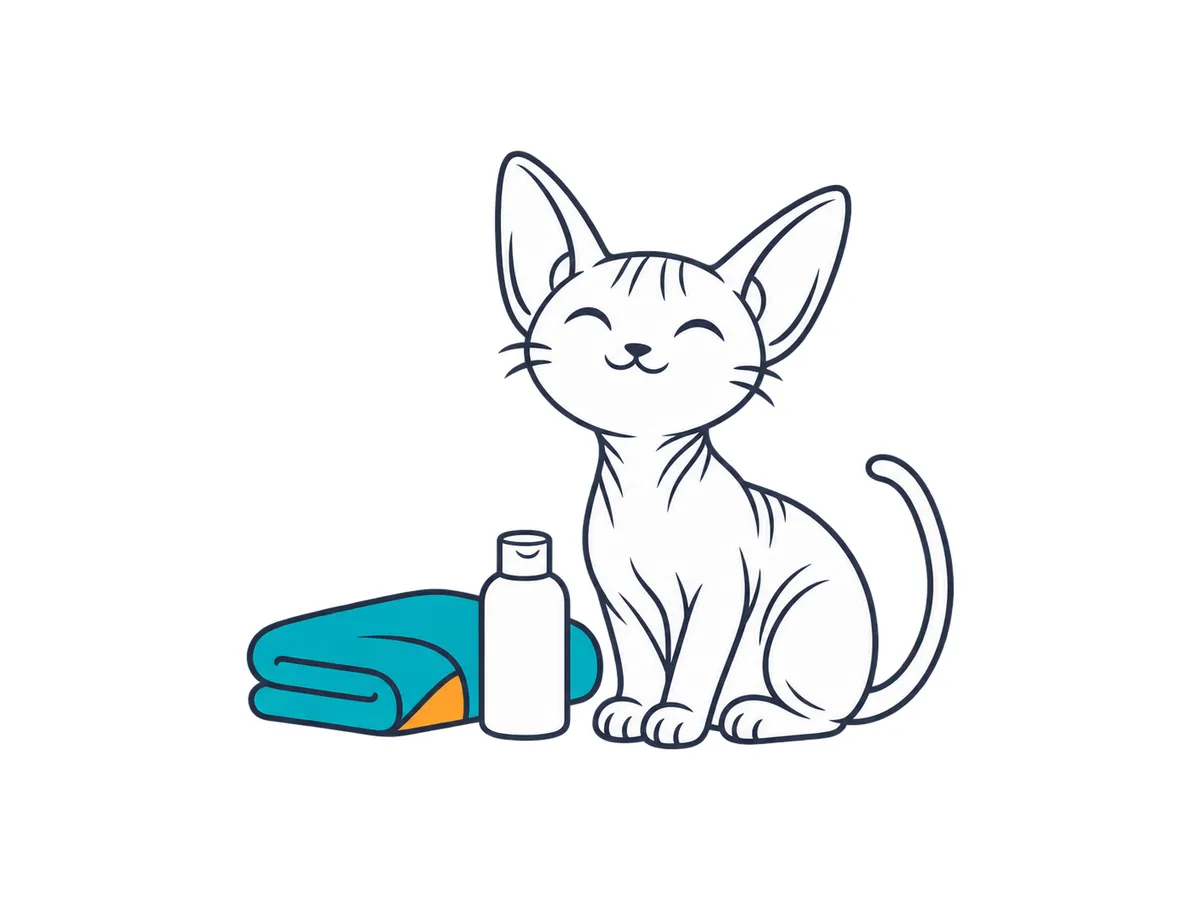
- Regular baths with a gentle shampoo and warm water. Your vet will tell you which product to use and how often, depending on their skin.
- Pay attention to the wrinkles, where oil builds up.
- Clean clothing. If they wear jumpers, wash them often, because they get greasy too.
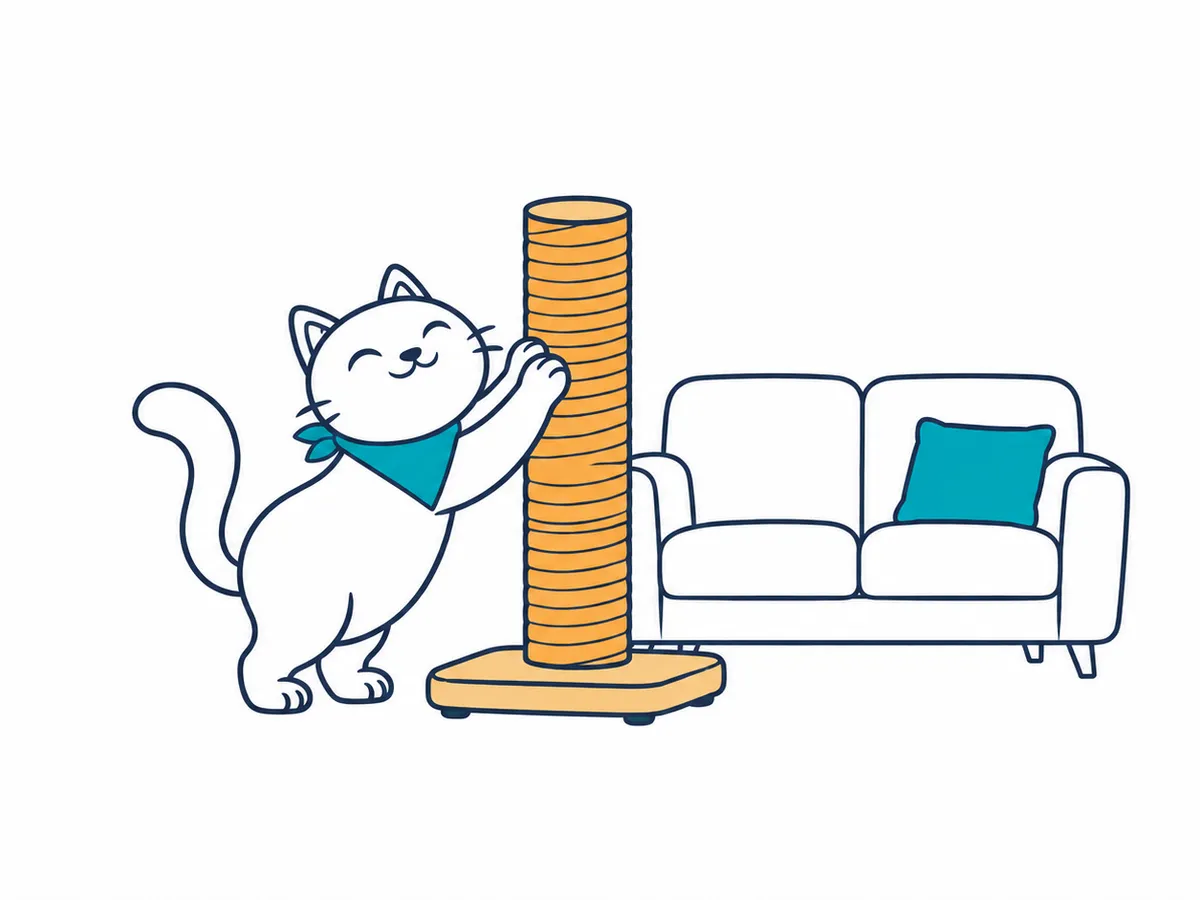
- Short nails. Without fur to protect it, their skin is easily damaged by their own scratching.
If you notice red patches or small bumps on the skin, book an appointment: hairless cats may be predisposed to skin conditions such as urticaria pigmentosa.
Protection from cold and sun
A Sphynx gets cold easily. Give them soft beds, blankets and warm spots, especially in winter; some get used to wearing a jumper.
Their skin also burns in the sun. If they go out on a harness, stick to shady areas or protect them with a T-shirt. Do not use human sunscreen on them: CatWatch warns that many sunscreens contain ingredients that are toxic to cats. Ask your vet before applying any product.
Sphynx health: the heart and other predispositions
The Cornell Feline Health Center lists the Sphynx among the breeds in which hypertrophic cardiomyopathy (HCM) is more common. It is a disease in which the walls of the heart thicken, and it usually gets worse over time.
Many cats with HCM do not seem ill. Others show fast or laboured breathing, breathe with their mouth open or are lethargic. A serious complication is blood clots, which can cause sudden pain or even paralysis in the hind legs. HCM is diagnosed with an echocardiogram, and Cornell cautions that genetic tests should be interpreted with your vet’s help, because not every cat with the mutation develops the disease.
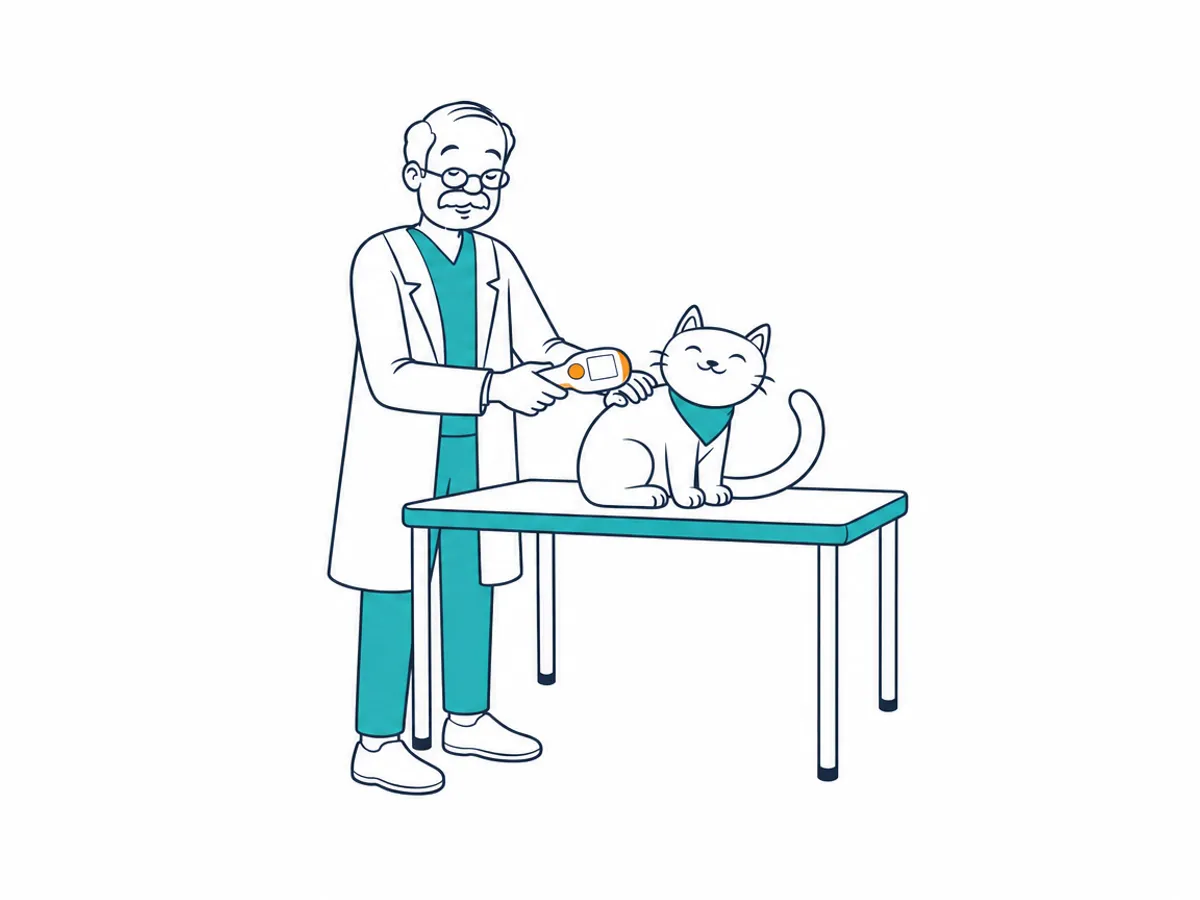
The CFA also mentions other problems described in the breed: breathing difficulties in kittens due to their lack of hair, a hereditary myopathy, a sensitive digestive system and periodontal disease. Ask your vet how often their heart, skin and mouth should be checked.
As a breed with specific veterinary needs, it is worth planning for the costs. Veterinary insurance for cats can help with check-ups and unexpected problems; read the terms and exclusions carefully before taking out a policy.
When to see a vet urgently
- They breathe fast, with effort or with their mouth open.
- They have sudden pain, are limping or cannot move their hind legs.
- They are very lethargic or stop eating.
- They have burns, wounds or skin lesions that are getting worse.
This guide is for general information and does not replace a consultation with your vet.
Adopting or buying a Sphynx: take your time
The CFA acknowledges that the Sphynx is among the more expensive breeds, but a high price does not guarantee a healthy cat. If you are thinking of buying one, ask for veterinary information on the parents, including heart screening, and be wary of rushed sales or sales without seeing the animal.
Before that, consider adoption. Ask rescues about cats of this breed or its crosses, and think about whether what you really want is a Sphynx or a cat that suits your life. You can start by browsing cats for adoption at Miwuki Pet Shelter (in Spanish), with or without fur.
To bring an organised history to appointments, you can keep your pet’s care records and reminders in Miwuki Pet Life. Always follow your vet’s individual advice.
Conclusion
The Sphynx is an affectionate and very sociable breed, but it is not a solution for allergies and needs more care than it seems: baths, warmth, sun protection and heart check-ups. If you are ready to provide them, a Sphynx can be a wonderful companion. If not, there are many cats waiting for a family who may be a better fit for you.