Cat not eating: what to do and when to call the vet
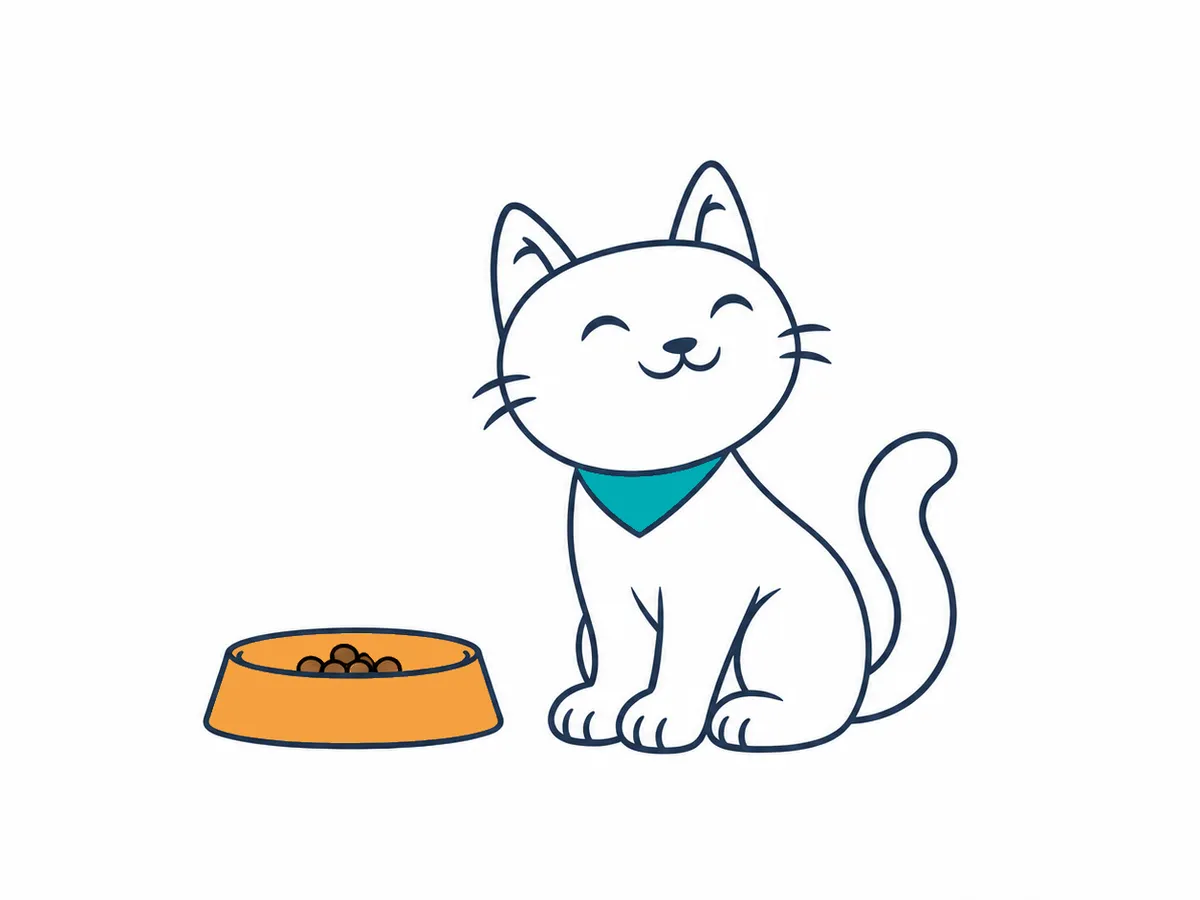
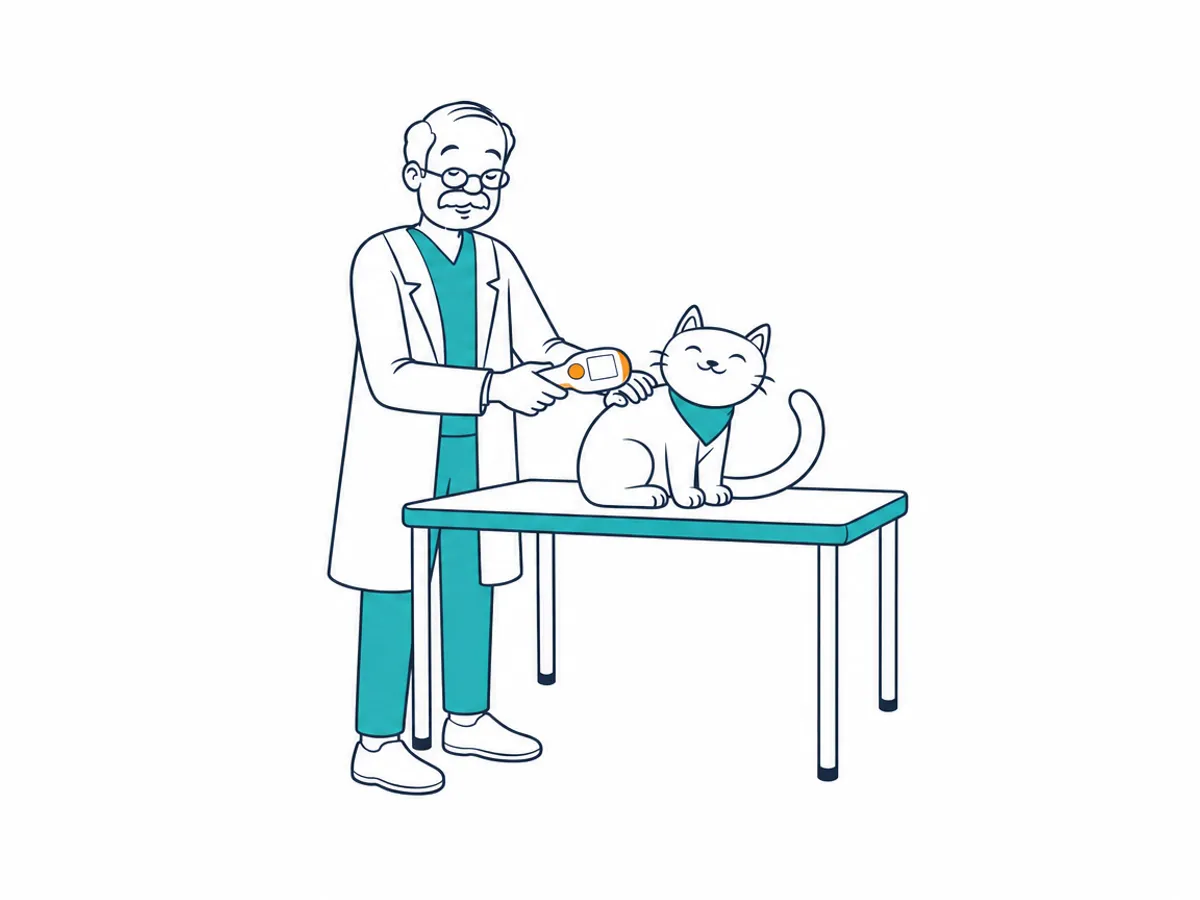
If your cat stops eating, call your vet to assess how urgently they need help. Do not wait several days or force them to eat. Cornell warns that even 24 hours without food can seriously affect an adult cat; that is not a recommended waiting period. A cat who is very lethargic, repeatedly vomiting or also stops drinking needs help sooner.
A full food dish is worrying, but it cannot tell you what is wrong on its own. This guide helps you explain the change to your vet and avoid common mistakes while you get advice; it cannot replace an examination.
When should you call the vet?
Contact your vet as soon as you notice your cat has stopped eating or is eating significantly less than usual. If they have already gone 24 hours without food, stop trying different meals at home: they need veterinary assessment. Seek advice sooner for kittens, older cats and cats with existing health conditions; the same timeframe does not suit every cat.
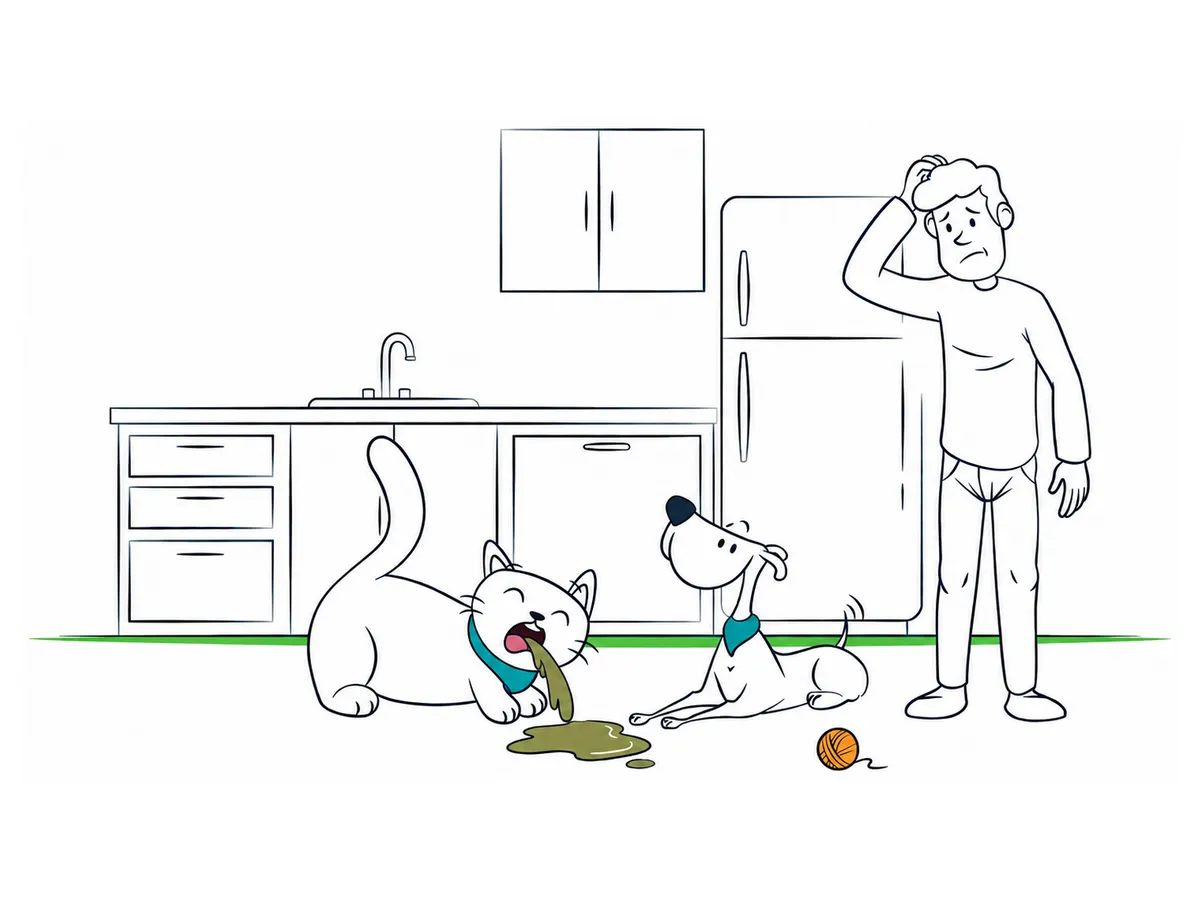
Report repeated vomiting, marked weakness or a yellow tinge to the eyes or gums immediately. Breathing difficulties, collapse or suspected poisoning require emergency care. Do not wait for every warning sign to appear.
What if they eat a little or still drink water?
A few mouthfuls do not prove they are eating enough. Explain how much they have eaten compared with their usual portion, and for how long. Drinking water does not rule out illness either. If they vomit, record how often: our guide to cat vomiting and warning signs covers that specific symptom in more detail.
Why a cat might stop eating
Possible causes include dental pain, nausea, other illnesses and stress. A new food or a change in feeding location can also play a part. Your vet needs to distinguish between them: assuming your cat has simply become fussy can delay treatment.
Watch what happens when they approach the dish. Do they ignore it? Try to eat and then back away? Drool or chew on one side? These are useful observations, not proof of a particular disease. Do not force their mouth open to look for the problem.
If you have just adopted them, explain when they arrived and what they used to eat. Our guide to signs of stress in cats may help, but moving home does not rule out a medical cause.
What you can do while contacting your vet
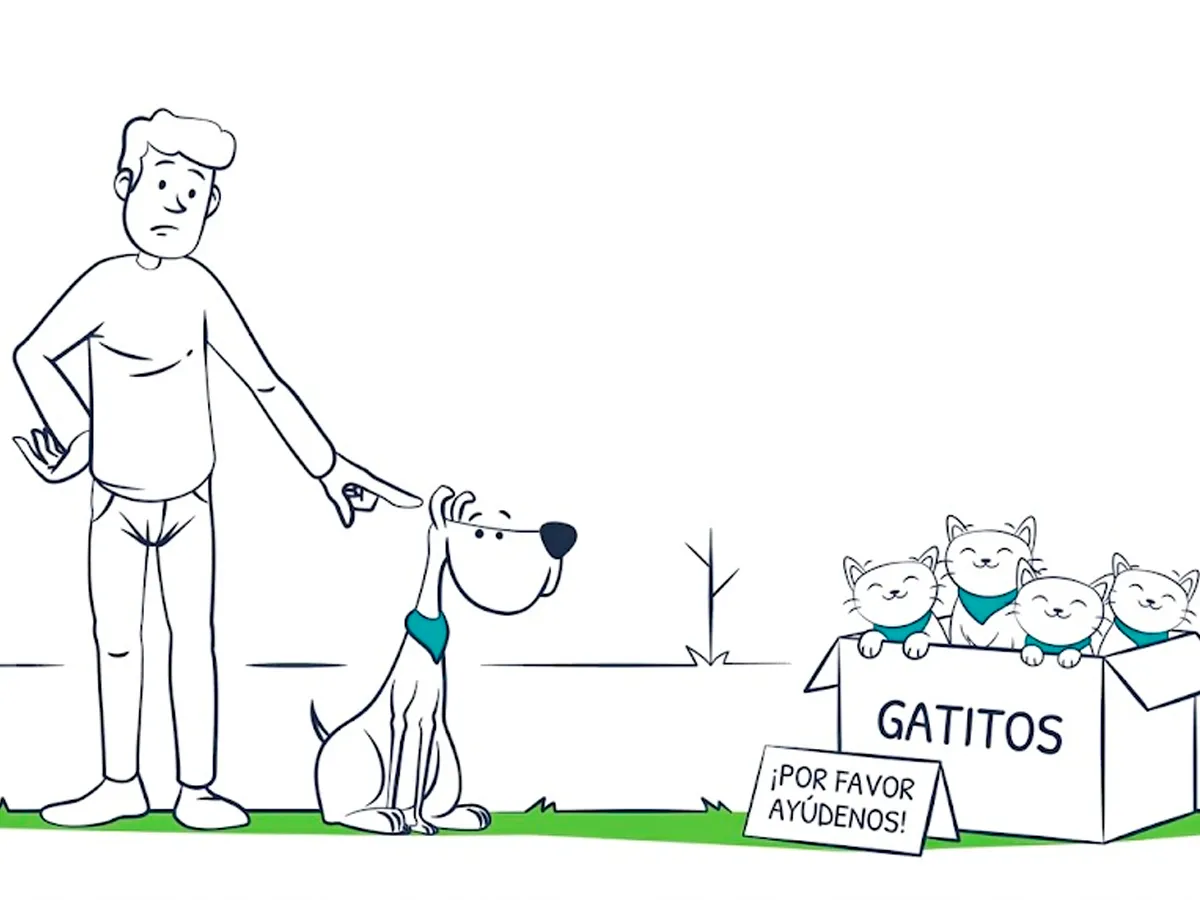
- Check who has eaten. In a home with several pets, watch each one separately: an empty dish may mean another animal ate the meal.
- Prepare a short timeline. Note the last normal meal, roughly how much they have eaten since, drinking, vomiting, litter tray use and changes in medication or diet.
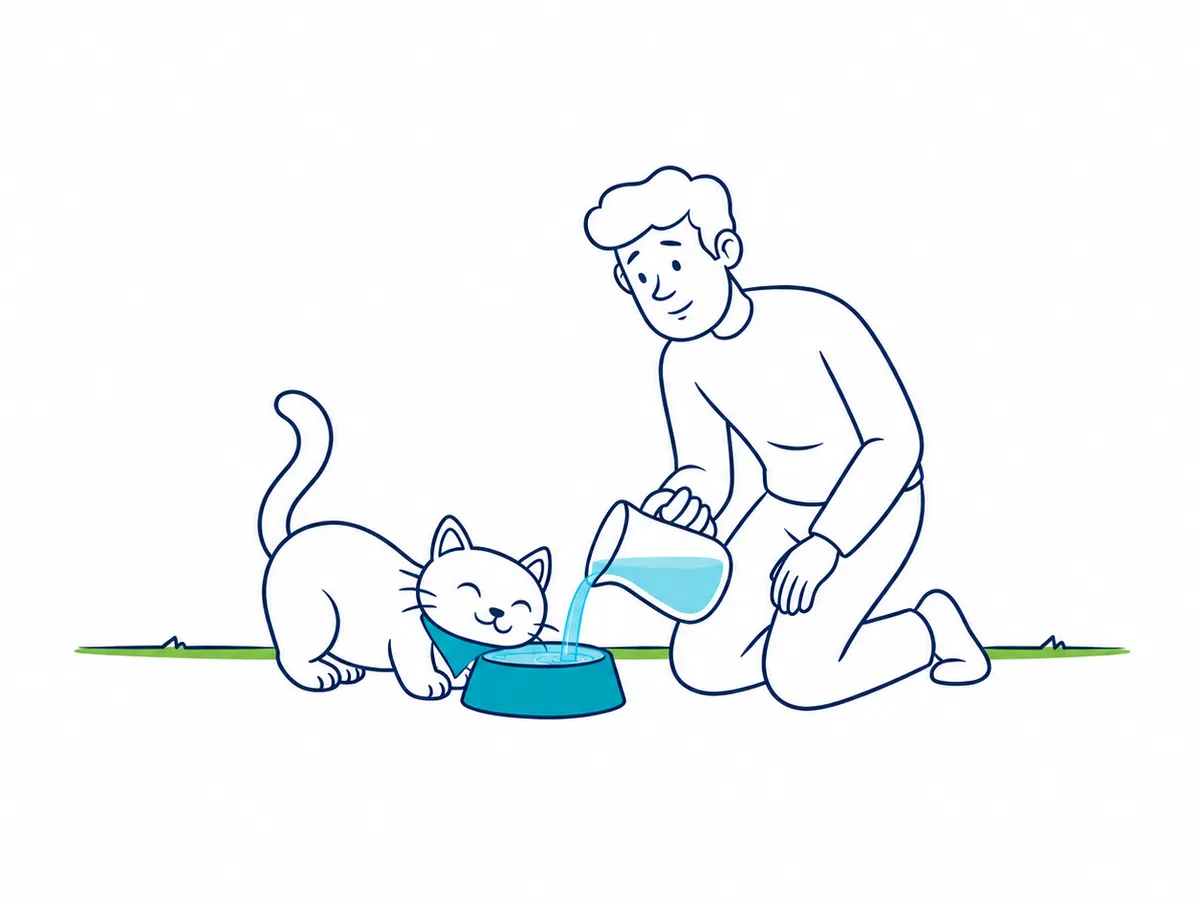
- Offer fresh, familiar food in a quiet place. Use a clean dish and keep other animals from intimidating them. Leave water available.
- If your vet says you can offer food, try a small portion; wet food at room temperature may be more appealing than food straight from the fridge. Remove spoiled food and do not persist if your cat refuses it.
- Follow the agreed plan. Ask when your cat needs to be examined and which changes mean they should be seen sooner.
To prepare for the visit, gather their health information in Miwuki Pet Life and bring your notes. Do not delay calling to finish a record.
Mistakes to avoid
- Forcing food into their mouth or using a syringe without a veterinary plan: this can worsen food aversion.
- Giving human medicines or appetite stimulants without veterinary instructions.
- Constantly switching foods or withholding meals so they will eventually get hungry.
- Treating excess weight as a reserve that makes waiting safe: not eating can contribute to serious liver disease.
You can read about Miwuki Veterinary Insurance to understand its terms. Care for current symptoms should not wait until you take out insurance.
What matters today
If your cat is not eating, the most useful steps are to call your vet, describe the change accurately and follow their advice. A calm feeding environment can help, but it does not replace finding the cause. Do not keep experimenting at home if your cat continues to refuse food.