Why is my cat drinking so much water? Causes and warning signs
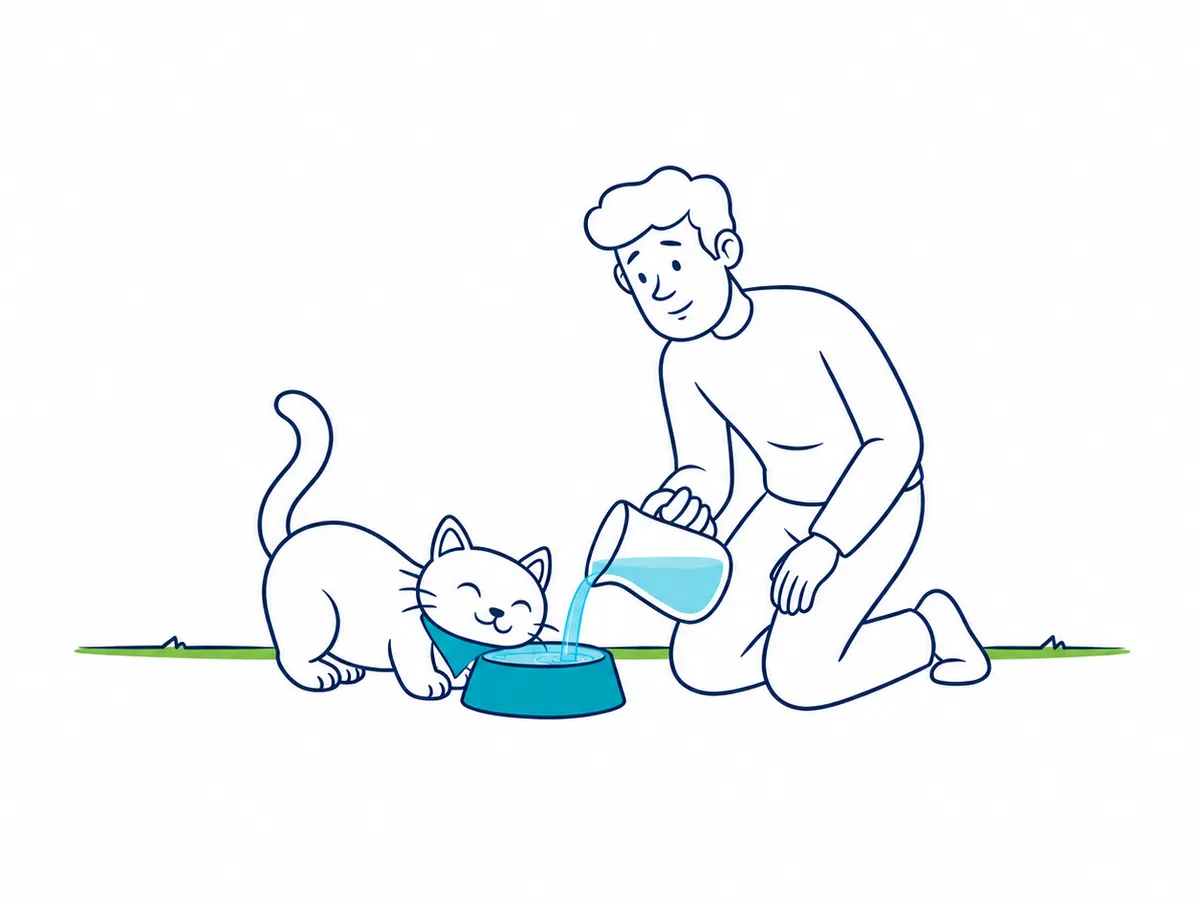
If your cat is drinking much more water than before, do not remove the bowl or wait for weeks to see what happens. Heat, a drier diet or extra activity can explain a temporary change, but new and persistent thirst — especially with increased urination, weight loss, vomiting or lethargy — deserves veterinary advice.
Drinking is not the problem: it may be how the body compensates for greater water loss. The useful next step is to compare the behaviour with your cat’s usual pattern, observe the litter box and gather good information without trying to diagnose the cause at home.
Is it normal for a cat to drink a lot of water?
There is no amount visible in a bowl that is “normal” for every cat. Intake depends on body size, temperature, activity, food type and how much moisture comes from meals. A cat moving from wet to dry food may visit the water more often; another eating wet food may drink very little without being dehydrated.
What matters is a change from your cat’s own routine. If you now refill the bowl more often, see longer drinking sessions or find larger urine clumps in the litter, make a note. One hot day does not tell the same story as a sustained change with no obvious explanation.
How to check whether your cat is really drinking more
Careful observation over a few days gives your veterinarian better information and is more reliable than an impression. Do not delay care when warning signs are present or your cat appears unwell.
Compare with their usual pattern
Use the same bowl, keep it in the same place and fill it to an easy-to-repeat mark. Note what you add and what remains at the end of the day. If several animals share a source, the total cannot show who drank it; offer separate stations or supervise specific moments without limiting anyone’s access.
Allow for spills, evaporation and water taken from taps, plant pots or glasses. The aim is not a laboratory measurement but a clear answer about whether the pattern changed and when it began.
Watch the litter box too
Increased thirst and urination often appear together. Look for more visits, greater volume, larger clumps or accidents outside the box. A clean tray makes comparisons easier. If your cat avoids the tray, goes in and out without producing urine or vocalises, do not automatically blame “too much drinking”; read our guide to why a cat stops using the litter box and seek prompt advice if urination appears difficult.
Record the context and other changes
Write down the date, usual food and any recent change in diet, medication, temperature or activity. Include appetite, weight, vomiting, diarrhoea, energy and coat condition. A short video of the drinking behaviour and photos of the litter may add context, but they do not replace a professional examination.
Why a cat’s thirst may increase
Greater thirst is a sign, not a diagnosis. Several conditions can cause it, and many look very similar at home. A veterinarian combines the history, physical examination and, when appropriate, blood and urine tests to distinguish among them.
Heat, activity or a food change
During hot weather, after more active play or following a switch from wet to dry food, a cat may obtain more water by drinking. Some medications can also increase urine production. These factors help interpret the change, but they should not be used to dismiss disease when thirst persists or other signs appear.
Kidney disease
When the kidneys lose some ability to concentrate urine, a cat may produce a larger volume and drink to compensate. This pattern is particularly relevant in older cats, although age alone cannot confirm or rule out kidney disease. Reduced appetite, weight loss, vomiting, changed breath or lower energy are all useful details to tell the veterinarian.
Diabetes mellitus
Diabetes can lead to increased urination and thirst. Weight loss despite a normal or increased appetite often occurs too, although cats do not all show the same pattern. Diagnosis requires persistent findings in blood and urine; one isolated reading is not enough to choose treatment at home.
Hyperthyroidism
Hyperthyroidism mainly affects middle-aged and older cats. It may cause weight loss, a stronger appetite, restlessness, vocalisation, vomiting, diarrhoea and greater thirst and urination. Because these signs overlap with other diseases, a clinical assessment and a specific thyroid-hormone test are needed.
Other causes your veterinarian may consider
Infections, liver disorders, electrolyte changes and certain treatments can also alter thirst or urine production. Even pain or stress may change how a cat uses household resources. An online list cannot replace testing; it explains why “it is probably just the heat” is not a safe diagnosis.
What to do today if your cat is drinking more
- Keep fresh water available at all times. Do not ration it to see whether the problem “passes”.
- Observe and record. Note drinking, urination, appetite, weight and associated signs.
- Review recent changes. Include diet, medicines, supplements, heat and access to other water sources.
- Call your clinic. Explain when it began and whether it persists; the team can advise how soon your cat should be seen.
- Bring a sample only if asked. The clinic should explain how to collect and store it so that it remains useful.
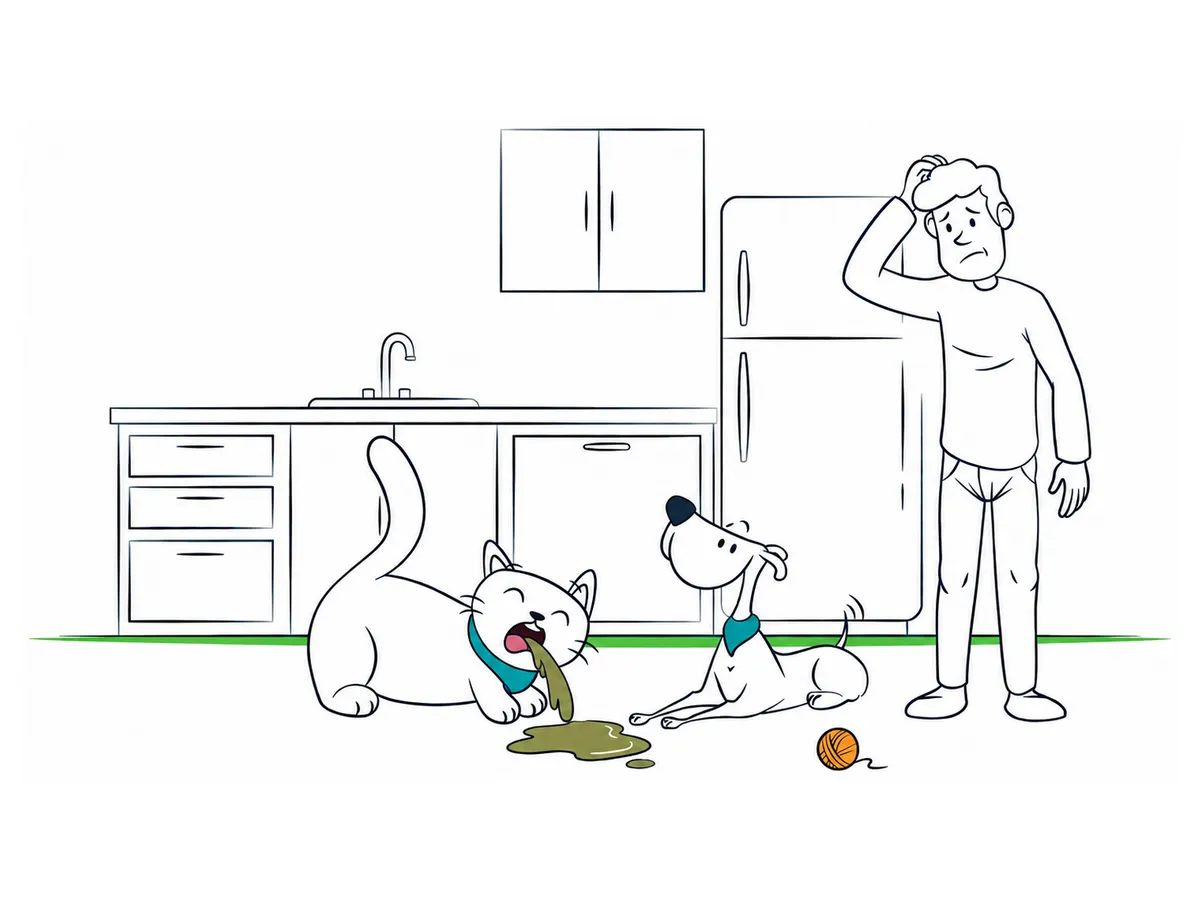
If vomiting is also present, frequency and appearance matter. Our guide to cat vomiting and warning signs can help you organise the details, but it should not delay a visit when your cat is lethargic or cannot keep water down.
When to arrange a veterinary appointment
Ask for advice if increased thirst continues for several days, begins suddenly without a clear explanation or appears alongside increased urination. A prompt appointment is particularly sensible for a senior cat, one with an existing condition or one taking medication that may affect the kidneys, hormones or fluid balance.
Your cat also needs an assessment if they lose weight, show a marked appetite change, vomit repeatedly, have diarrhoea, become less active, groom less well or develop changed breath. Do not wait for every possible sign: the combination and progression matter more than a fixed checklist.
Warning signs that should not wait
Seek urgent veterinary care if your cat:
- tries to urinate but produces nothing, passes only drops or appears painful;
- cannot keep water down, vomits repeatedly or is profoundly lethargic;
- struggles to breathe, collapses, seems disoriented or develops marked weakness;
- stops eating, especially if they are overweight or have a chronic condition;
- appears dehydrated, responds abnormally or deteriorates quickly.
A cat who drinks but cannot pass urine may have a different and urgent problem. Call a clinic for triage instead of waiting for the next litter-box visit.
What not to do about excessive thirst
- Do not remove or limit water. This could make dehydration worse.
- Do not start a therapeutic diet by yourself. Kidney, urinary and diabetic diets address different needs.
- Do not give human medication or medicine prescribed for another pet. Cause, dose and safety must be assessed individually.
- Do not dismiss the change as ageing. Age raises the risk of some diseases, but thirst remains useful clinical information.
- Do not fixate on one number. Diet and context change intake; the trend, urine output and overall condition belong together.
What information to take to the appointment
Prepare a short note with the start date, how often you refill the water, litter-box changes, food and every medicine or supplement. If weighing your cat does not cause stress, record weight on the same scale under similar conditions. Bring useful videos or photos and the packaging of any new product.
Your veterinarian may suggest a physical examination, blood tests, urinalysis, blood-pressure measurement or other investigations based on age and findings. Not every cat needs every test, and that decision should follow the individual case.
You can use Miwuki Pet Life to store observations, medication and check-up reminders: download Miwuki Pet Life from Google Play. If you want to plan for consultation and testing costs, read the cover, limits, waiting periods and exclusions of Miwuki Veterinary Insurance before buying.
How to support healthy hydration without hiding the problem
Provide several clean water stations away from the litter box and in quiet locations. Try wide bowls that do not brush the whiskers and materials that are easy to wash. Some cats prefer a moving fountain; others are more comfortable with a stable dish. Refresh the water and clean containers regularly.
Wet food supplies water, but any diet change should be gradual and appropriate for the cat’s health. These measures make drinking more comfortable; they do not treat the cause of new thirst. If your cat has just joined the family, our room-by-room guide to preparing for an adopted cat can help you distribute resources and observe their routine from day one.
Common mistakes when monitoring drinking
- Comparing two different cats instead of comparing one cat with their own baseline.
- Measuring a shared bowl and assuming which animal emptied it.
- Forgetting water supplied by wet food or other sources around the home.
- Confusing more litter-box visits with a greater volume of urine.
- Waiting for obvious weight loss before asking for advice.
- Changing the diet, fountain and bowls at once, making it impossible to tell what altered the pattern.
Conclusion
If your cat is drinking a lot of water, keep unrestricted access, confirm whether the change is real and watch urine output, weight, appetite and energy too. Heat or a drier diet may contribute, but kidney disease, diabetes and hyperthyroidism can also increase thirst and urination. When the change is new, persists or comes with other signs, a veterinary assessment is the safest next step.