Pot-bellied pig care: real adult size, needs and Spanish law
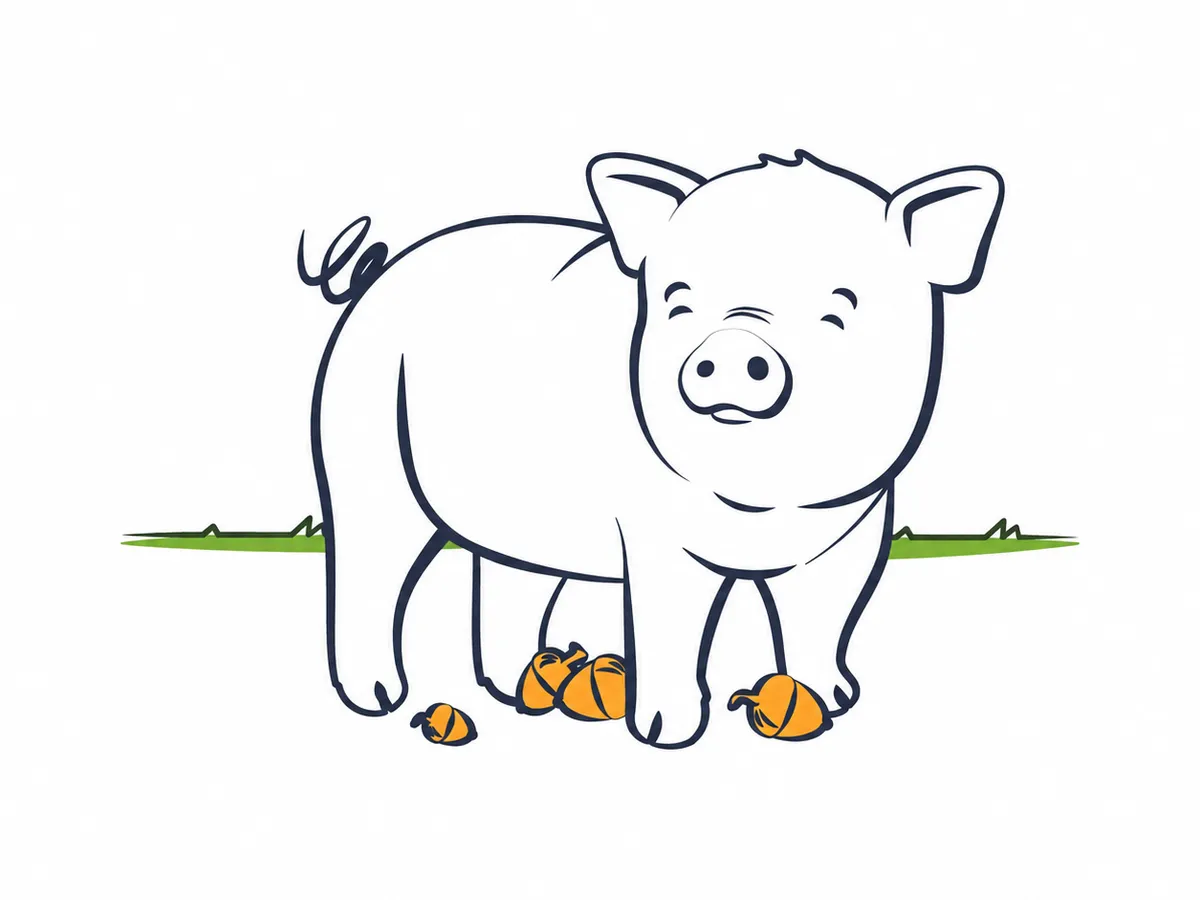
A Vietnamese pot-bellied pig is not a “teacup pig”: according to the fact sheet from Spain’s Ministry for the Ecological Transition, an adult can weigh 75–100 kg and live up to 15–25 years. Since 2019 it has also been listed in the Spanish Catalogue of Invasive Alien Species, so in Spain keeping, selling and giving one away are generally prohibited. If you already live with one, this guide sums up what it needs and what the rules say.
The “mini pig” myth: how big a pot-bellied pig gets
Many people bought a pot-bellied pig thinking it would stay the size of a small dog. The ministry’s technical fact sheet explains where the confusion comes from: miniature pigs may weigh 12–45 kg around sexual maturity, which they reach at 3–7 months. But they keep growing: adult pot-bellied pigs, aged 2 or 3, can reach 75–100 kg and a height of 40–60 cm.
On top of that is their lifespan, which according to the same fact sheet can reach 15–25 years. It is a commitment of many years to a heavy animal whose needs are very different from those of a dog or a cat.
Why so many are abandoned
The ministry’s fact sheet links the decline in their popularity to a rise in abandonment. In Spain, free-roaming pot-bellied pigs have been seen across much of the country, with signs of breeding and hybridisation with wild boar. In the study it cites, more than a quarter of the animals identified were possible hybrids. Releasing a pig does not give it a better life: it exposes it to road traffic and hunting, and creates a problem for wildlife and farming.
Can you keep a pot-bellied pig in Spain?
Royal Decree 630/2013, which regulates the Spanish Catalogue of Invasive Alien Species, has included the pot-bellied pig (Sus scrofa var. domestica, Vietnamese breed) for the whole of Spain since 2019. This means a general ban on possessing, transporting, trading and selling it, as well as on releasing it into the wild.
The decree provides an exception for animals already kept before the listing:
- Owners had to report them to their regional government (the deadline ended on 1 January 2022).
- They cannot sell, breed or give them away.
- The regional government may require neutering, identification or a signed statement, and must facilitate voluntary surrender if requested.
Because pigs are also a livestock species, ask your region’s official veterinary services whether you need to register your pig in any register, such as the livestock holdings register (REGA), or identify it in a specific way. The answer may depend on the case, so ask for it in writing.
If what you want is to help a rescued pig, Miwuki Pet Shelter has pigs looking for a home (in Spanish). If you live in Spain, always ask about the animal’s exact breed and paperwork, and confirm with your regional government that the transfer is legal.
What a pot-bellied pig needs to thrive
Pigs are social, hierarchical and highly intelligent animals. The ministry’s fact sheet notes that aggressive behaviour may appear as they reach social maturity, between six months and three years of age, especially when they live in housing where their needs cannot be met.
The Merck Veterinary Manual stresses three pillars:
- Outdoor space: as much as possible, with shade, shelter, food and water areas, and a place to root.
- Daily exercise: walks on a harness or access to exercise areas. Boredom can lead to destructive behaviour or aggression.
- Enrichment: a lack of stimulation and of contact with other pigs may contribute to behaviour problems.
If it lives indoors, it needs its own area, with one corner for toileting and another for eating and sleeping. Avoid punishment, shouting or hitting: the Merck Manual warns that these often increase fear and aggression.
Rooting is not a whim
Rooting, or turning over the soil with the snout, is its natural way of exploring and looking for food. If it has nowhere to do it, it will root in the garden, the rugs or the sofa. Give it an area of soil or a rooting box filled with soil, mulch, large smooth stones or plastic balls, and hide part of its food there.
Watch out for the heat
The Merck Manual states that adults are usually comfortable at about 18–24 °C and that temperatures above about 29 °C are stressful for them, because they have few functional sweat glands. In summer they need shade, cool surfaces to lie on and, if possible, somewhere to wallow in water or mud.
Feeding a pot-bellied pig
The Merck Manual recommends commercial feeds formulated for miniature pigs, as pellets or crumbles and suited to their age, divided into at least two meals a day. Do not use dog or cat food: it is formulated for other species.
Other guidelines from the manual:
- Leafy greens, alfalfa and grass can be added to help them feel full, but not weeds, as some are toxic.
- Fruit such as apples or grapes, only as a reward during training.
- High-calorie treats, limited: they gain weight easily, and obesity ends up causing joint problems, lameness and pain.
- Fresh water always available, to prevent dehydration and salt poisoning.
Also avoid giving it leftovers from your meals: they unbalance its diet and encourage weight gain.
Hooves, tusks and health
Some care is specific to pigs and is best planned with your vet:
- Tusks: they grow continuously and, according to the Merck Manual, may need trimming every 6 to 12 months, always under sedation or anaesthesia.
- Hooves: most need regular trimming. If they grow too long, they change the way the pig stands and eventually cause joint pain.
- Vaccinations and parasite control: following the plan your vet recommends.
The ministry’s fact sheet points out that pigs can catch diseases that matter for livestock, such as African swine fever. Keep yours away from wild boar and farm pigs, and ask your vet which biosecurity measures to follow.
When to see a vet
Look for a vet with experience of pigs or exotic animals and go if your pig:
- Stops eating, vomits or has diarrhoea.
- Is lame or struggles to get up.
- Has difficulty breathing or seems very low, especially on hot days.
- Shows new aggression or sudden changes in behaviour.
Heatstroke or breathing difficulty is an emergency. This guide does not replace a veterinary assessment.
To bring an organised history to appointments, you can keep your pet’s care records and reminders in Miwuki Pet Life. Always follow your vet’s individual advice.
If you are considering another species, see our comparison of small mammals and their needs: small size does not mean easy care.
Conclusion
The pot-bellied pig is intelligent and sociable, but it grows much larger than people are often promised, lives for many years and needs space, soil to root in, exercise and a specific diet. In Spain it is also an invasive alien species: as a general rule it cannot be bought, sold or given away, and it must never be released. If you already live with one, care for it well and settle any legal questions with your regional government.