Best rodent pets for kids: how to choose and what to know
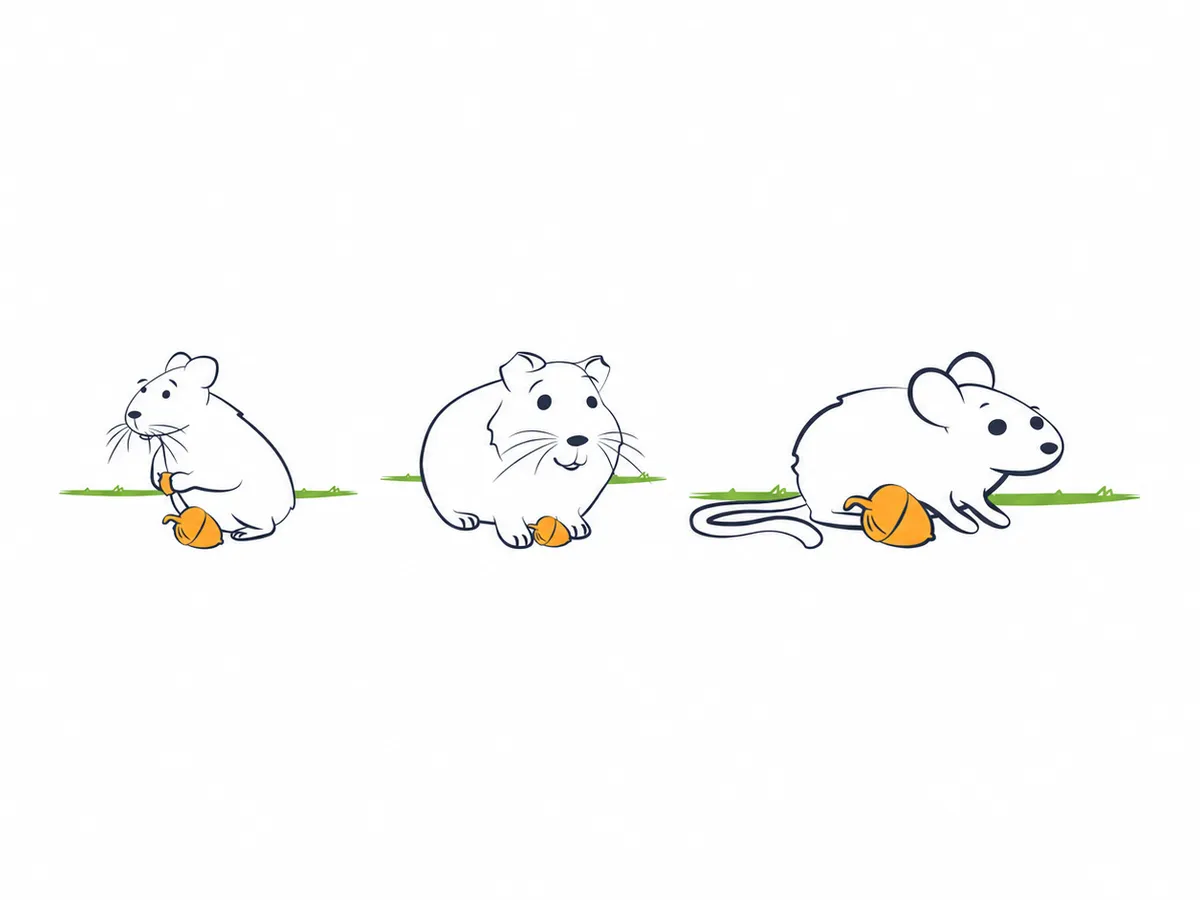
The best rodent for children depends on the child’s age and what they expect from the animal, but none of them is a toy or an “easy” pet: an adult must always be responsible for its care. If you want an animal that is active during the day and tolerates calm contact, a guinea pig usually fits a family routine best. Hamsters, mice and gerbils are more for watching, and rats, though very sociable, are not recommended as pets for children according to the Merck Veterinary Manual.
Before choosing: what no rodent is
Small rodents are often seen as “starter pets” for children. Blue Cross, a UK animal welfare charity, challenges that idea: they all have very specific needs for diet, space and attention, and a child should never be their main carer.
Three points to be clear about from the start:
- They are prey animals. In general they do not enjoy being picked up, and some are easily frightened.
- Almost all of them need company of their own kind. Except for hamsters, you will usually need at least two, so plan for twice the space and cost.
- They hide illness. A sick rodent masks its symptoms, so an adult should check every day that it is eating, drinking and moving normally.
Rodent comparison for kids
The life expectancies below are the guide figures given by Blue Cross; every animal is different and other veterinary sources use slightly different ranges.
Guinea pig
It is timid but very social, and with gentle, regular handling it can become very tame. It is active during the day, with short naps between spells of eating hay, and is most active at dawn and dusk. It lives in a pair or small group, needs a lot of space and usually lives 5 to 7 years. To get to know it in depth, read about the pros and cons of keeping a guinea pig.
Rat
It is intelligent, curious and one of the most interactive: it bonds with its people and can even learn tricks. It is nocturnal, lives about 2-3 years and needs at least one companion. However, the Merck Veterinary Manual does not recommend rats as pets for children, because they can bite and transmit rat-bite fever. If you have rats at home, an adult should handle them.
Mouse
It is small, quick and delicate, so handling it requires great care. It is nocturnal, lives in small groups and its life expectancy is around one and a half to two years. It is fascinating to watch, but not to hold. It can also carry ringworm fungi without showing symptoms, with a higher risk for children.
Hamster
It is solitary and must live alone. It is nocturnal: when children want to play, it is asleep, and if woken suddenly or frightened it may nip. Depending on the species, it lives 2 to 3 years and needs a spacious enclosure with deep bedding to dig in.
Gerbil
It is friendly and inquisitive but does not enjoy being handled. In return, it is great fun to watch digging tunnels. It is mainly active during the day, although also in the evening and at night, lives in a pair or small group and usually lives 3 to 4 years.
What about rabbits? They are not rodents
Rabbits belong to a different order, the lagomorphs. They have their own needs, require a lot of space and, according to Blue Cross, live 8 to 10 years, so they are a much longer commitment.
Which rodent for which age
There is no magic age, but there are stages in which what a child can do changes:
- Young children: the relationship should be about watching and very brief contact, always sitting on the floor with an adult beside them. The adult takes care of everything.
- School-age children: they can help with specific tasks, such as putting out hay, refilling water or helping to clean, always supervised. A calm guinea pig, stroked at ground level, is usually a good option.
- Teenagers: they can take on more daily responsibilities, but decisions about health, the vet and costs remain an adult’s job.
At any stage, think about the animal’s lifespan: a guinea pig can accompany a child through a good part of primary school.
Hygiene and safety: always clean hands
Rodents can pass some diseases to people, so hygiene rules are part of their care:
- Wash hands with soap and water after touching the animal, its cage or its food.
- Do not put hands to mouth while handling them or cleaning the cage.
- Only pick them up while sitting on the floor, so a fall does not end in injury: trauma is common in rodents.
- Do not house different rodent species together, because they can pass diseases to each other.
If a rodent bites and breaks the skin, wash the wound with soap and water and see a doctor. If a fever appears after a rat bite, go to a health centre and mention the bite, because recognising rat-bite fever early is key.
When to see the vet
Because they hide illness, any change matters: eating less, losing weight, seeming dull, noisy breathing, diarrhoea or a scruffy coat. If you notice these signs, book an appointment with a vet experienced with exotic animals. This guide does not replace a veterinary consultation.
Adopting as a family
If, after comparing, you are clear about which animal suits you, consider adoption. Miwuki Pet Shelter has guinea pigs for adoption (in Spanish) and hamsters for adoption (in Spanish) already looking for a home. And although it is designed for dogs and cats, our adoption checklist will help you share out tasks and prepare your home before they arrive.
To bring an organised history to appointments, you can keep your pet’s care records and reminders in Miwuki Pet Life. Always follow your vet’s individual advice.
Conclusion
There is no perfect rodent for children, only one that suits your family: guinea pigs usually adapt best to family schedules and calm contact, while hamsters, mice and gerbils are for watching more than holding. Whichever you choose, the adult is responsible, hygiene is non-negotiable and adoption is a great way to start.