Pros and cons of keeping a guinea pig at home
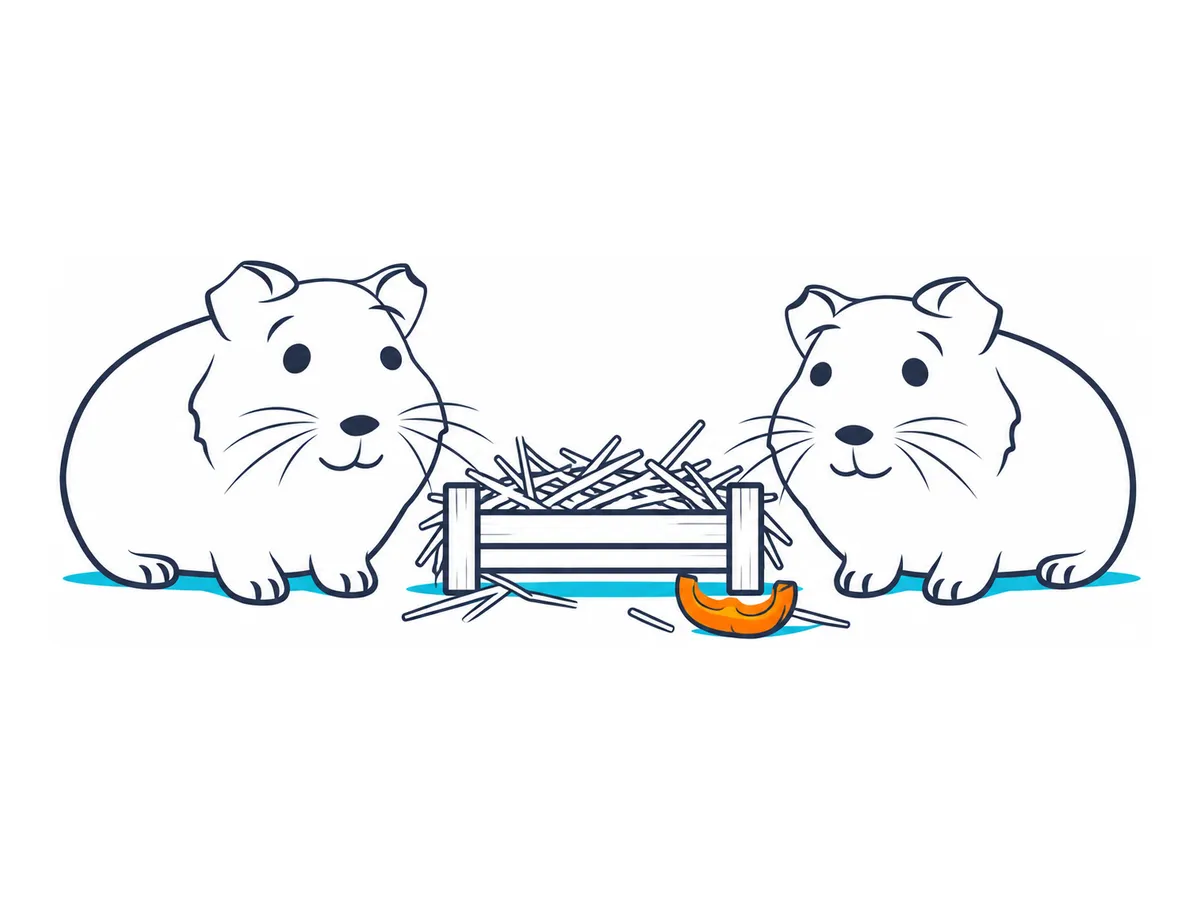
Keeping a guinea pig has clear advantages: it is usually sociable and calm, very communicative and active during the day too. The drawbacks are just as real: it needs to live with at least one other guinea pig, plenty of space, unlimited hay, vitamin C in its diet and an exotic animal vet for around 5 to 8 years. Knowing both sides before adopting avoids surprises and, above all, abandonment.
What a guinea pig (or cuy) is
The guinea pig is a rodent native to South America. Depending on the country, you will know it as a guinea pig, a cavy or a cuy, the most common name in Latin America. It is a compact animal: an adult weighs roughly 815 grams to 1 kilo and measures 20 to 50 cm.
Two facts from the Merck Veterinary Manual shape everything else: it lives 5 to 8 years, and its teeth grow throughout its life. In other words, it is a commitment of several years and its diet has to help wear its teeth down.
Advantages of keeping a guinea pig
- It is sociable. Guinea pigs are usually gentle and enjoy the company of other guinea pigs; many also enjoy playing with people.
- It communicates a lot. It squeaks and chirps. Teeth chattering can signal anger or discomfort: give it space rather than reading it as pleasure. When happy or excited, it may make little twisting jumps known as popcorning.
- It is not nocturnal. It is active during both day and night, so you can spend time with it at normal hours.
- Manageable size. It is easier to hold than a tiny rodent, always with both hands and without squeezing.
- A clear routine. Hay, fresh vegetables, clean water and daily exercise: once organised, the routine is easy to follow.
Disadvantages of keeping a guinea pig
It cannot live alone
It is very social and needs to interact with other guinea pigs it gets on with. In practice, that means keeping at least two, with the space, cost and cleaning this involves. A rabbit is not a suitable companion either: Merck advises against housing them together because some diseases can spread between species.
It needs a lot of space
Merck recommends at least about 106 × 61 cm of floor space for a single guinea pig, and roughly 0.2 to 0.4 m² more for each additional guinea pig. In addition:
- The floor must be smooth and solid, never wire mesh, because their feet are delicate.
- It needs to come out every day into a safe area for exercise.
- Exercise wheels are not suitable for them: they can get injured.
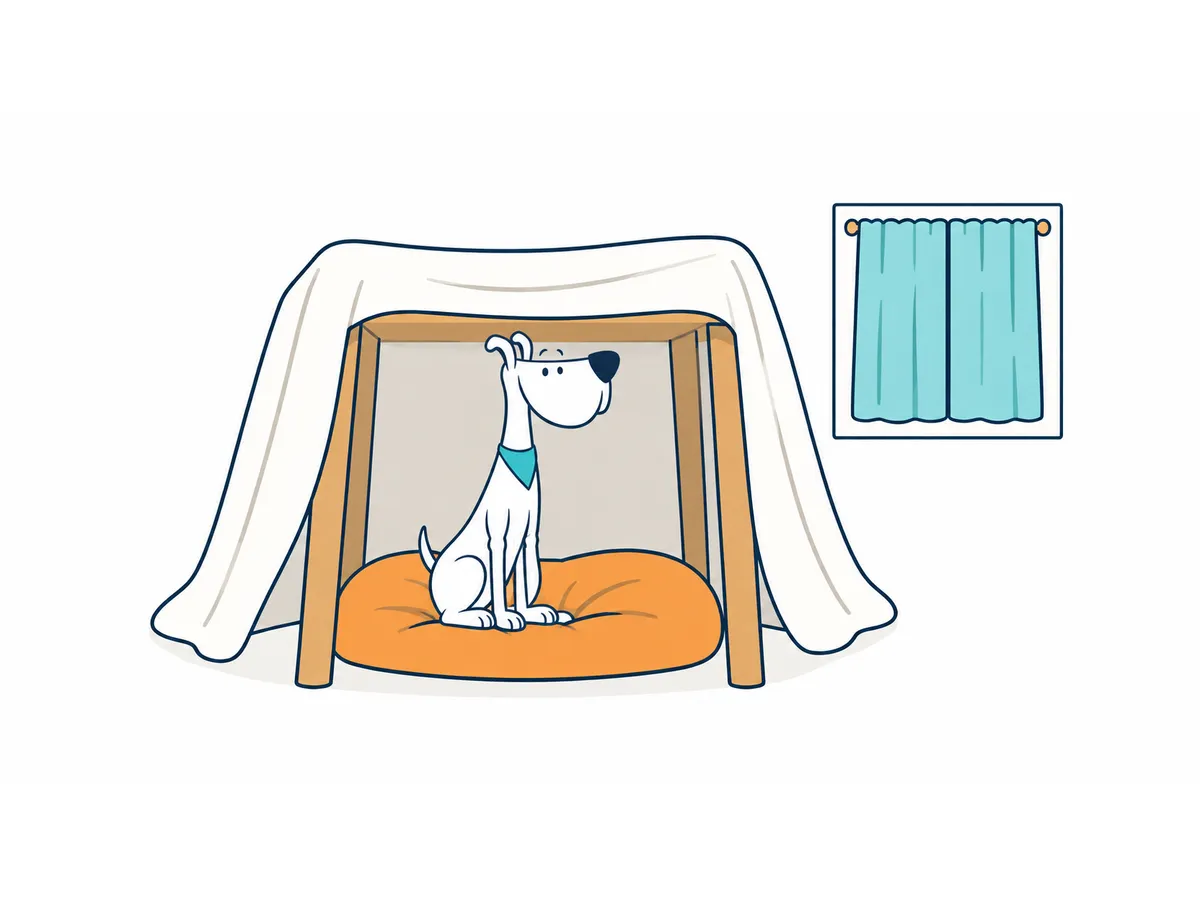
- As a prey species, it needs enough hiding places for every guinea pig in the group.
A demanding diet: unlimited hay and vitamin C
Guinea pigs, like people, cannot make vitamin C and must get it from their diet. Guinea pig pellets are fortified, but the vitamin breaks down over time, so they also need fresh vegetables every day and, if your vet considers it necessary, a supplement.
The basis of their diet is good-quality grass hay, always available, which also helps wear their teeth down. Some more guidelines:
- Do not give them rabbit pellets: they do not provide enough vitamin C.
- Avoid iceberg lettuce and limit very calcium-rich vegetables such as spinach.
- Fruit only as an occasional treat.
- Introduce new foods gradually and remove any fresh food they leave.
Sensitive to heat, and cleaning adds up
Merck puts the ideal temperature between 18 and 24 °C, away from direct sunlight and draughts. In summer, that means thinking carefully about where you place their space. Bedding should be paper or another safe material; never cedar, untreated pine, sawdust or cat litter. And because they spend the day eating hay, daily cleaning is a fixed part of the routine.
An exotic animal vet for years
Not every clinic treats guinea pigs. You will need a vet experienced with exotic animals for check-ups and for common problems, such as dental ones, throughout its life. It is worth budgeting for this before adopting.
Is it a good pet for children?
It can be, as long as an adult is responsible. A guinea pig is not a toy: it is easily frightened, can be injured if dropped and needs daily care that a child cannot always guarantee. Some useful guidelines:
- Children should hold it while sitting on the floor, to avoid falls.
- They should support it with both hands, one under the chest and the other under the hindquarters.
- They should respect it when it hides: that is how it feels safe.
- They should wash their hands after touching it or cleaning its space.
When to see the vet
Book an appointment with your exotic animal vet if your guinea pig:
- Eats less, stops eating or loses weight.
- Drools or seems to have trouble chewing.
- Has diarrhoea, breathes with difficulty or is listless.
- Loses fur, scratches a lot or limps.
If it stops eating completely or is very lethargic, do not wait: get advice the same day. This guide does not replace a professional assessment.
Adopting a guinea pig responsibly
If you are still keen after weighing up the pros and cons, consider adoption. Miwuki Pet Shelter has guinea pigs for adoption (in Spanish); ask whether the one you like already lives with another, because adopting a pair that gets on makes things much easier. And if at some point you can no longer care for yours, you can give up your guinea pig for adoption so it finds a prepared home.
To bring an organised history to appointments, you can keep your pet’s care records and reminders in Miwuki Pet Life. Always follow your vet’s individual advice.
Conclusion
Guinea pigs are sociable, expressive animals that are active during the day, but they are not an “easy” pet: they need company of their own kind, space, unlimited hay, vitamin C, an exotic animal vet and several years of commitment. If you can offer all that, they make wonderful companions.