Found a lost dog or cat? What to do and who to call
If you have found a lost dog or cat, get it to safety without taking risks, look for a tag with a phone number and call the local authorities: in Spain, collecting lost animals is a municipal duty. The municipal service or a vet can read its microchip and, if it is registered, trace its family. Meanwhile, share a “found” notice with a photo and the approximate area, and do not hand the animal over to anyone who cannot show it is theirs.
First, your safety and the animal’s
If it is near traffic, do not chase it: if it feels cornered, it may bolt towards the cars. If there is a risk of an accident, call 112.
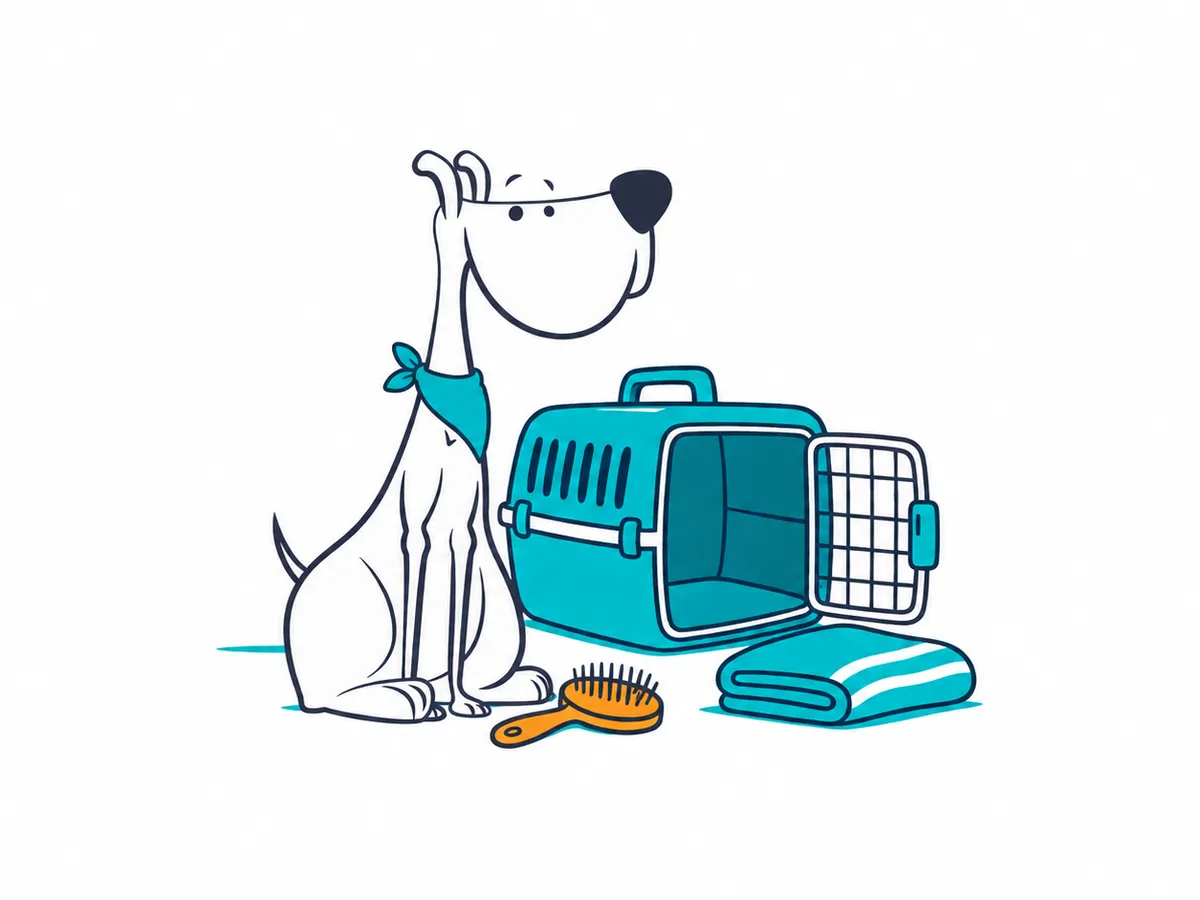
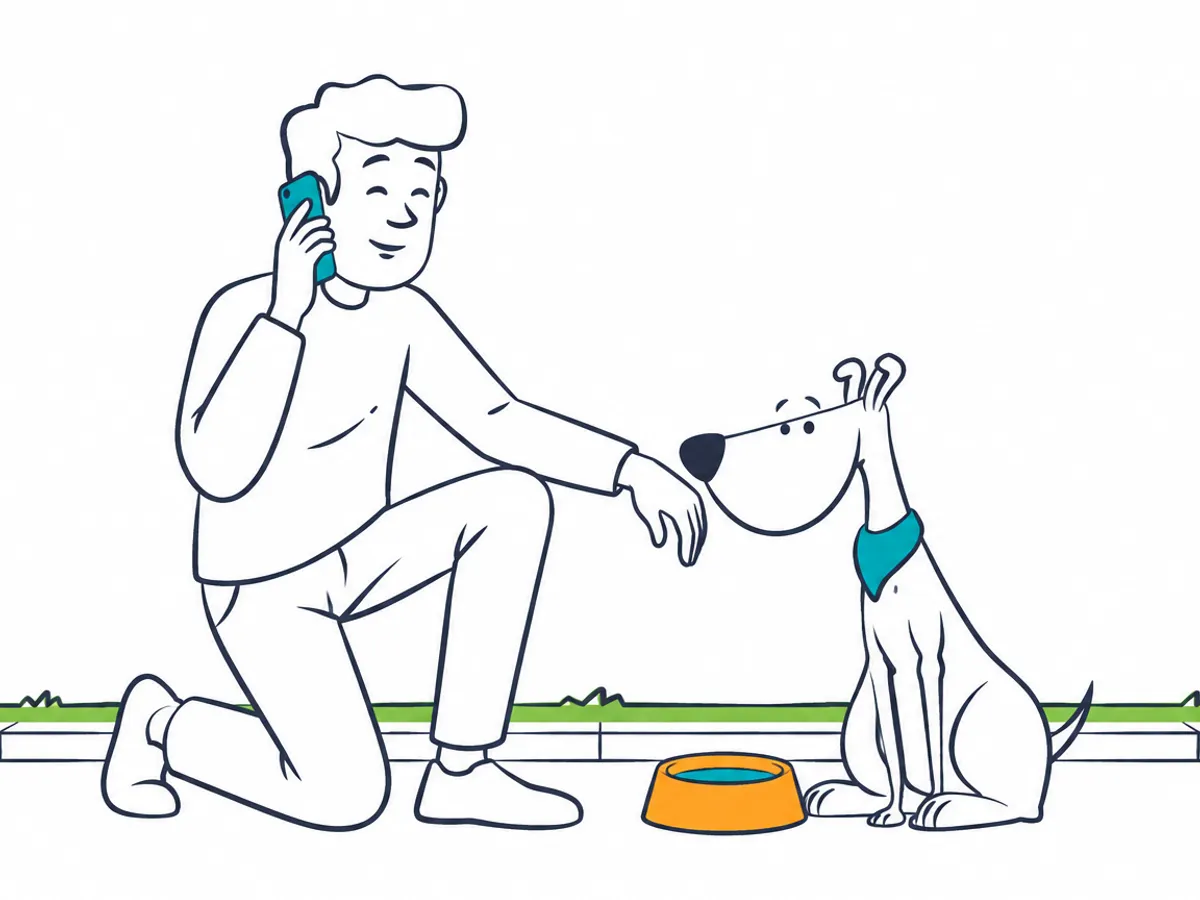
Approach slowly, crouch down side-on and let it sniff the back of your hand. If it growls or bares its teeth, keep your distance, keep it in sight and make the call. If it lets you, secure it with a lead or a belt looped through its collar; a cat is better off in a carrier or a box with air holes. If it is hot, offer water.
If it is injured
Call the local police or the town hall and say it is injured: Spain’s animal welfare law (Law 7/2023) requires town halls to run a 24-hour emergency service to collect these animals and give them veterinary care (article 22). If it is serious and there is a vet nearby, you can take it there wrapped in a towel: pain can make an animal bite. Do not give it human medicines, and keep the receipts if you pay.
If it is a cat, is it really lost?
Not every cat you see outdoors is lost. Under Spanish law, cats living in feral colonies are “community cats”: they cannot easily be handled and must be neutered, with an ear mark, and microchipped in the name of the local authority (articles 3, 38 and 39 of Law 7/2023). In Zaragoza, for example, the municipal service does not collect them unless they are injured.
If the cat you have found wears a collar, lets you touch it or seems disorientated, it may be a pet that has got out: follow the same steps as for a dog. And if the missing cat is yours, read how to look for a lost cat.
Look for a tag with a phone number
Check its collar for a tag or ID plate. If there is a phone number, call it: it is the quickest way home. Spain’s Civil Code also requires anyone who finds a lost animal to return it to its owner if they know who that is (article 611).
Call the local police or the town hall
If there is no tag or nobody answers, call the local police (Policía Local; 092 in many cities) or the town hall (ayuntamiento). In Zaragoza, for example, 092 answers 24 hours a day, and the city council asks finders to hold the animal until the collection service arrives and to call again if it is slow to come.
Calling also helps to match reports: owners must report a loss within 48 hours (article 24 of Law 7/2023), so someone may already be looking for it. The procedure varies by region and municipality: ask what you should do in your case.
Why not take it straight to an animal shelter?
Because you would skip the municipal procedure. As the Spanish news site Que.es reported, the shelter Amics dels Animals de la Noguera and the SrPerro Foundation warn that nobody then checks for a microchip or a missing-animal report, possible abandonment goes uninvestigated and the town hall does not pay the fee that funds its care. Ask which shelter your town hall works with.
The microchip: who reads it and what happens next
In Spain, dogs, cats and ferrets must be microchipped by a vet and recorded in their regional pet register (article 51 of Law 7/2023). It is not a GPS tracker: it only stores a number that is read with a scanner, and it is the register that links that number to the family.
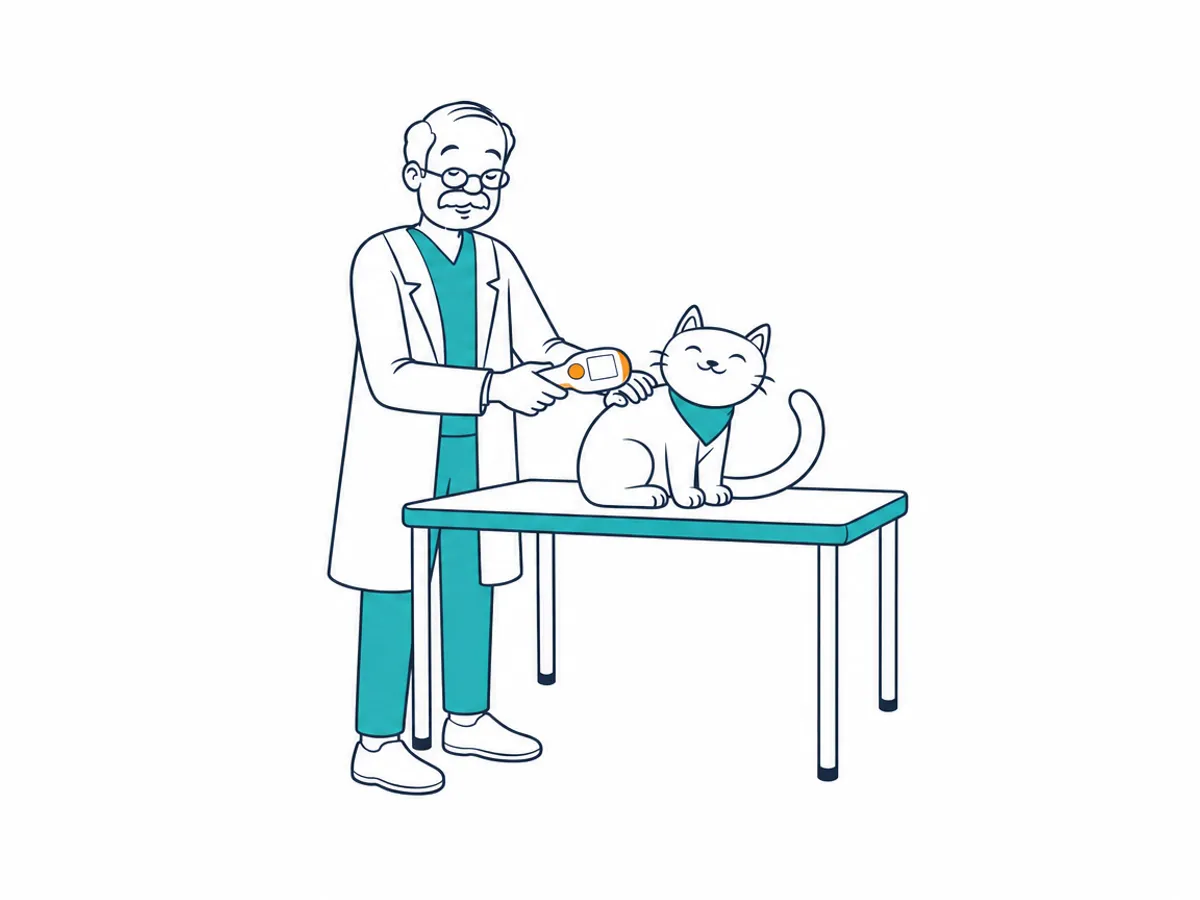
If you are told to take the animal to a vet, or there is one nearby and it can be moved safely, ask them to scan it. If the chip is registered and up to date, its family can be traced; if not, reporting and sharing the find matter even more. Our guide to the dog and cat microchip explains how it works.
Can I take it home?
Not without speaking to the town hall first. Zaragoza City Council is clear: if you take it home, you become its keeper and therefore responsible for it. Its family may also be searching the area where you found it.
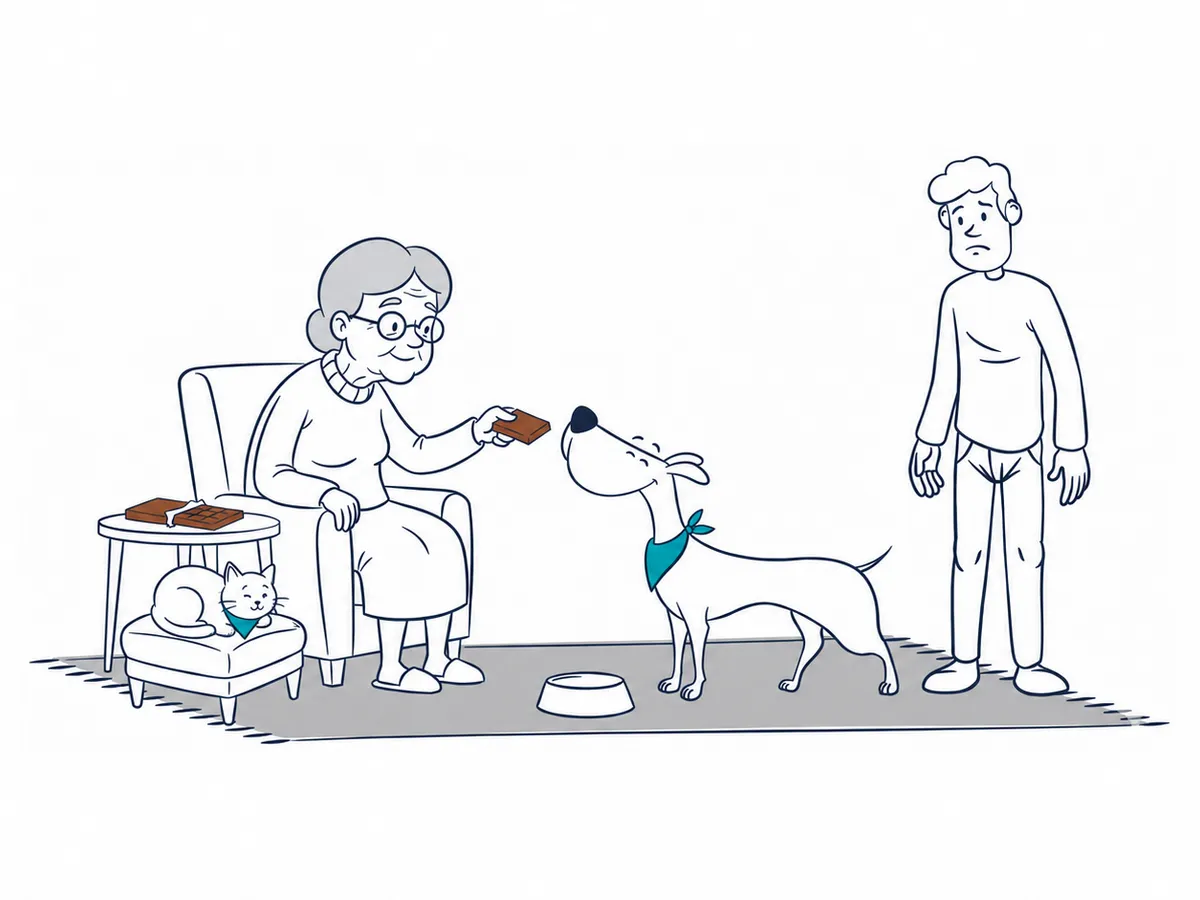
If you must keep it for a few hours, keep it apart from your pets: you do not know if it is vaccinated or has parasites. And if the owner turns up, the Civil Code lets whoever has cared for the animal claim back the cost of its treatment and care (article 611).
Post a “found” notice
Take a clear photo, note where and when you found it and share the notice with neighbours, local vets and social media. Give only the approximate area and keep one feature to yourself (a patch, a scar, the colour of the collar) to check later who the real family is.
In our lost and found pets guide, we explain how Lost and found on Miwuki Pet Shelter works: free “lost” or “found” notices showing the approximate area on a map, never the exact spot, area alerts and a chat to talk to the family without giving out your phone number.
Don’t hand it over without proof
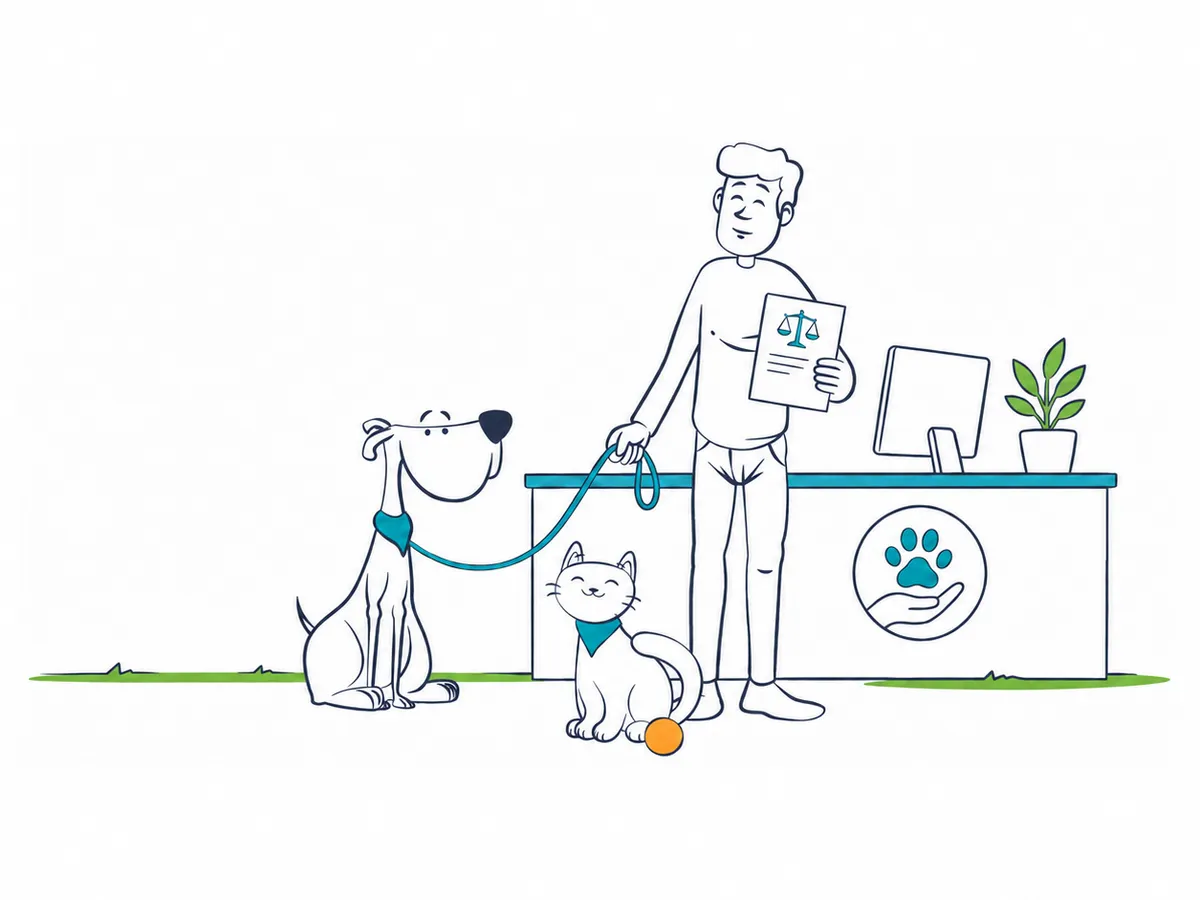
If someone claims it, ask for reasonable proof: photos of them with the animal, its vaccination card or pet passport (what Zaragoza’s municipal animal centre, for example, requires to return an animal) or the microchip registration in their name. Ask about the feature you kept back and, if something does not add up, call the local police.
There is one exception: if you have well-founded signs of mistreatment or abandonment, the Civil Code exempts you from returning it to its owner, but you must report it to the authorities immediately (article 611).
What if no one claims it?
Deadlines and steps depend on each region and municipality. Public animal protection centres must hand dogs and cats over for adoption with a contract, identified and neutered, or with a neutering commitment if that is not yet possible (article 23 of Law 7/2023).
If you have grown attached, tell the municipal service from the start and ask how to apply to adopt through the official channels. First, go through our checklist for adopting a dog or cat.
Conclusion
What to do if you find a lost dog or cat comes down to an order: safety, tag, a call to the local authorities, and the microchip. Then share the find without oversharing, and hand the animal over only to someone who can prove it is theirs.
Sources
- BOE: Law 7/2023 on the protection of animal rights and welfare, consolidated text (in Spanish).
- BOE: Spanish Civil Code, article 611 (in Spanish).
- Zaragoza City Council: collection of dogs, cats and other domestic and abandoned animals (in Spanish).
- Que.es: finding an abandoned dog, what to do (and not do) according to an animal shelter (in Spanish).