British Shorthair adoption: temperament, care and health
Adopting a British Shorthair is possible, though availability depends on each rescue: use reliable channels and do not assume you will find one immediately. Be wary of “free British Shorthair” adverts that ask you to pay for delivery up front, as this is a typical scam pattern. And before you decide, get to know the breed’s temperament, care needs and the health problems worth watching for.
Can you adopt a British Shorthair?
Yes. Some British Shorthairs end up in shelters or need a new home because their family can no longer care for them, because of a move or because of problems living with other animals. There is no guarantee of finding one near you or within a set timeframe.
If you are looking for a British Shorthair cat for adoption, these tips will help:
- Check shelters and adoption portals regularly. On Miwuki Pet Shelter you can browse cats for adoption (in Spanish) listed by shelters and private owners.
- Consider adult or senior cats. Many cats available for adoption are not kittens, and an adult’s personality is already formed, which makes it easier to know whether they suit you.
- Ask about their history: why they are being rehomed, how they get on with other animals and what veterinary records they have.
- Make the adoption formal. Signing a contract is standard. Many shelters ask for an adoption fee; ask what it covers, for example vaccinations, microchipping or neutering.
British Shorthair temperament: what they are like at home
The Governing Council of the Cat Fancy (GCCF), one of the UK’s cat registries, describes the British as patient, tolerant and a bit lazy, as well as adaptable and confident. They tend to form strong bonds with their family and are not especially talkative.
There is one detail worth knowing before adopting: the GCCF notes that they prefer to keep all four paws on the ground, so as adults they may not enjoy being carried. Not being a “lap cat” does not mean they are aloof: many prefer to stay close, in the same room, following the household routine.
Even so, every cat is an individual. Their history, socialisation and age matter as much as their breed, so ask the shelter what that particular cat is like.
Basic care for the breed
Coat and grooming
Their coat is short, dense and plush to the touch. According to the GCCF, the shorthaired variety mainly needs brushing during moulting seasons, while the British Longhair, recognised as a separate breed, needs daily grooming. Use brushing time to check their skin for lumps or parasites.
Weight, feeding and activity
The GCCF warns that this is a breed with a slow metabolism, so weight needs managing to prevent obesity. It also notes that they mature slowly and may take several years to reach full physical development. In practice:
- Weigh their food rather than estimating portions, and adjust them with your vet.
- Plan short daily play sessions, even if they seem like a calm cat.
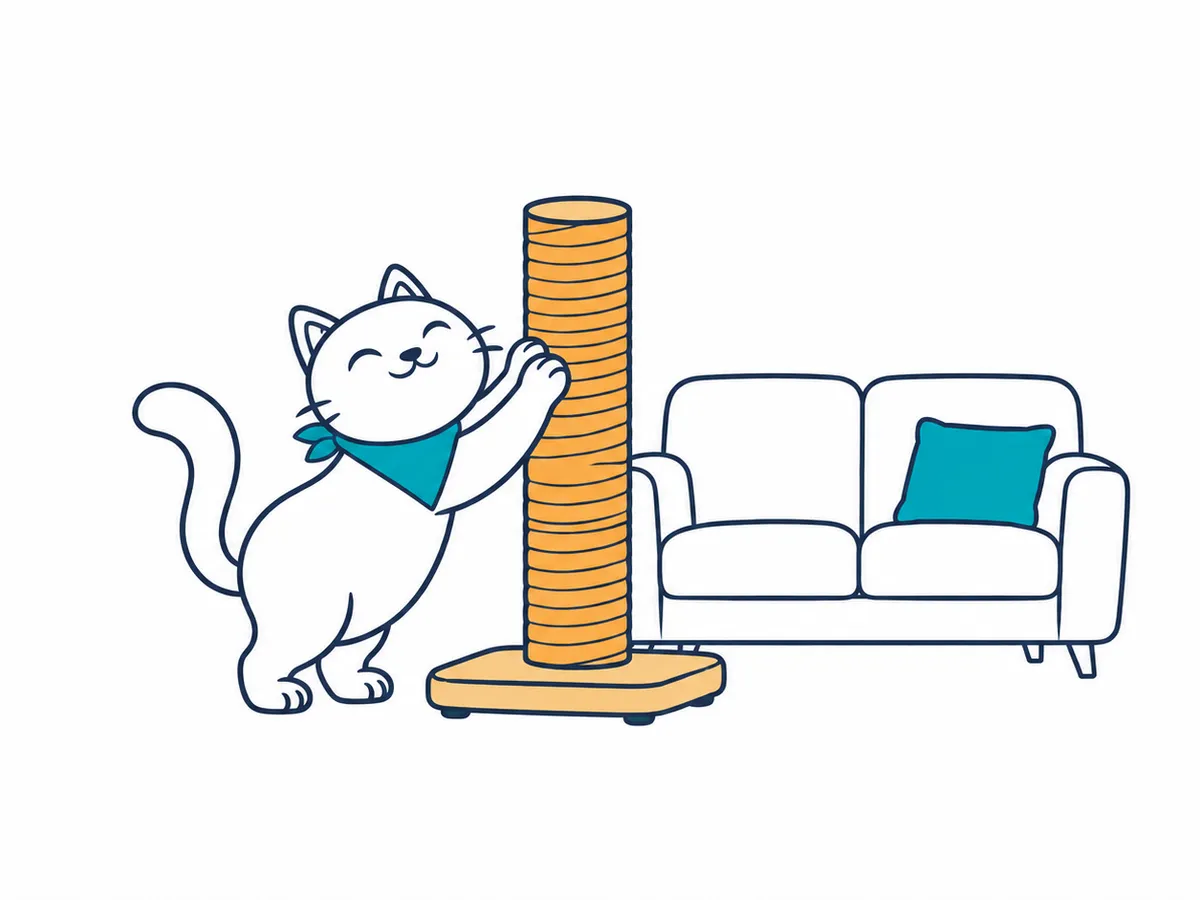
- If they live indoors only, give them scratching posts, high spots and environmental enrichment.
If this is your first cat, our guide to preparing your home before adopting a cat helps you organise their arrival.
Health: what to watch for
The GCCF considers them a long-lived cat, with a life expectancy of 14 to 20 years. Even so, the breed has some predispositions worth knowing about.
Hypertrophic cardiomyopathy
Hypertrophic cardiomyopathy (HCM) is a thickening of the heart muscle. Cornell lists the British Shorthair among the breeds in which it is more common, and the GCCF acknowledges that it can be a problem in the breed. Many cats with HCM do not appear ill, but others may show:
- Rapid or laboured breathing, or open-mouthed breathing.
- Tiredness or lethargy.
- Sudden pain or paralysis in the hind legs, caused by blood clots.
Open-mouthed breathing and sudden paralysis or pain in the hind legs are emergencies: take your cat to a vet immediately.
Polycystic kidney disease
Polycystic kidney disease (PKD) causes cysts in the kidneys. Langford Vets’ diagnostic laboratory places the British Shorthair among the breeds at moderate risk and offers a genetic test. The GCCF explains that responsible breeders’ use of these tests has brought the disease under control in the breed.
If you adopt a British Shorthair, ask for their veterinary history and ask your vet which check-ups make sense for their age and background. This information is for general guidance and does not replace a professional assessment.
How to adopt a British Shorthair without falling for scams
Searches such as “adopt a British Shorthair for free” attract fraudulent adverts. INCIBE, Spain’s national cybersecurity institute, documents the case of a woman who found a puppy adoption advert on social media: she was asked to pay for delivery with prepaid gift cards and then for more money for supposed vet and transport costs. The animal never arrived.
Warning signs in “free adoption” adverts
- The cat is offered “free” or “as a gift”, but you are asked to pay up front for delivery, insurance or a carrier.
- You cannot see the cat in person or on a video call.
- They ask for payment with gift cards, prepaid cards or other hard-to-trace methods.
- New costs keep appearing: vaccinations, vet fees, customs, transport.
- Everything happens over messaging apps and you are pressured to decide quickly.
If you have already paid, INCIBE advises you to stop sending money, block the advertiser, keep all evidence (screenshots, conversations, receipts) and report it to the police. In Spain, you can get advice by calling 017, its cybersecurity helpline.
What about adopting a cat with a similar look?
Many mixed-breed cats have the round face, sturdy body or grey coat associated with the breed. If what attracts you is their look or their calm character, ask the shelter about adult cats with a similar temperament. You will have more options and give a home to a cat who is already waiting.
Conclusion
A British Shorthair up for adoption can be a great companion for a calm home, but finding one takes patience, and they need weight control and attention to their heart and kidney health. Look in reliable shelters and portals, make the adoption formal with a contract and be wary of any “gift” that requires payment up front.