Adopting a Havanese: what to know before you commit
Adopting a Havanese is possible, but nobody can guarantee there will be one available when you start looking: it depends on which dogs arrive at each rescue. Before you commit, learn what the breed needs, above all care for their long coat and their love of company. And be wary of any advert for puppies “up for adoption” that asks you to pay for delivery.
What the Havanese is like
A more Mediterranean origin than you might think
Although the name points to Havana and the FCI (Fédération Cynologique Internationale) registers it as a breed from Cuba, its official standard tells a different story. The breed comes from the western Mediterranean and developed along the Spanish and Italian coasts; Italian sea captains seem to have taken it to Cuba early on. According to the same standard, the old Cuban bloodlines disappeared, and the breed survived thanks to dogs that reached the United States.
Size and coat
The Havanese is a small, sturdy dog that is low on its legs. The standard sets a height at the withers of 23 to 27 cm, with a tolerance of 21 to 29 cm. Its most striking feature is the coat: long, soft, flat or wavy, 12 to 18 cm long in an adult, with little or no undercoat.
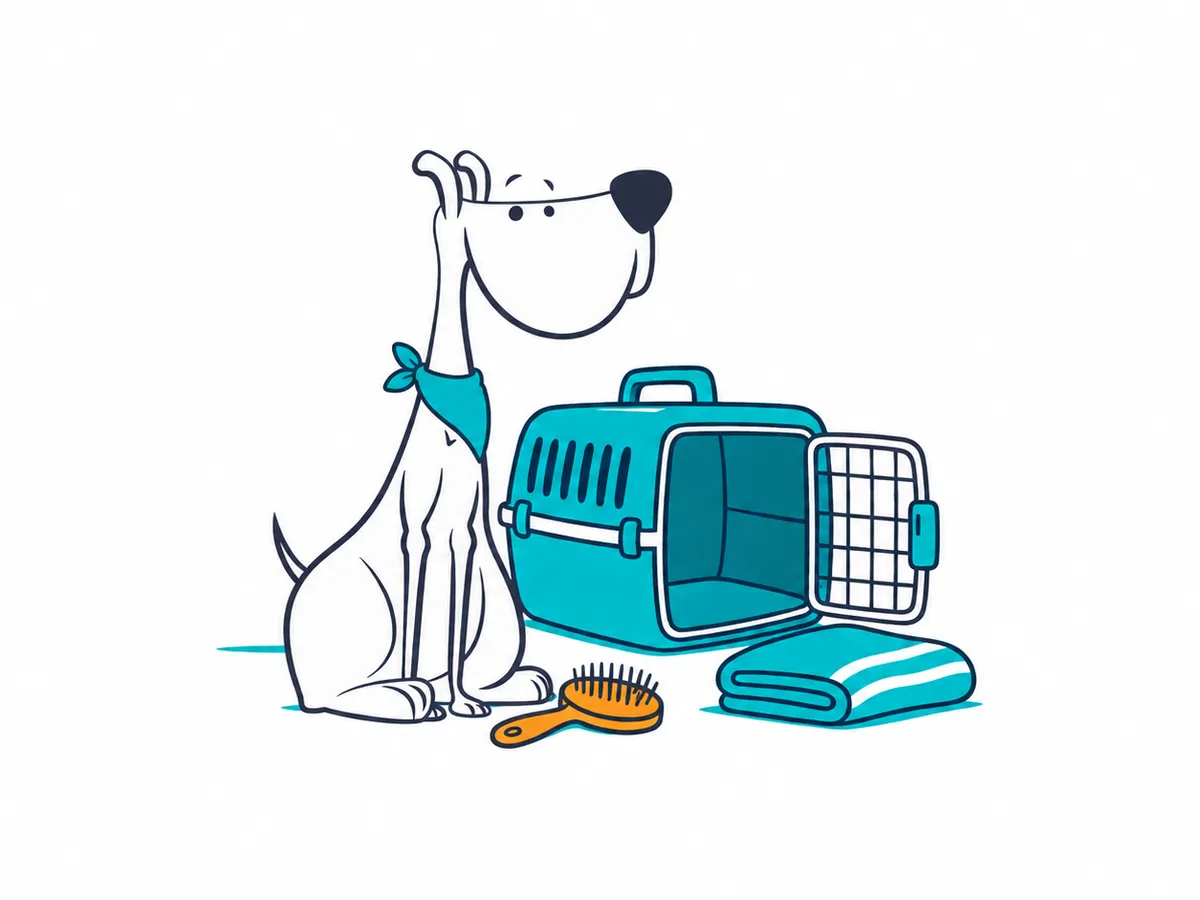
That coat needs frequent brushing to stay free of tangles. Show rules do not allow it to be trimmed, but a family dog can wear a practical cut if that keeps them more comfortable. Ask a dog groomer for advice and keep the hair clear of the eyes.
Temperament
The FCI classes the Havanese as a companion dog and describes a happy, affectionate and playful nature, with a love of children. It is so bright that, according to the standard, it is easy to train as an alarm dog. Remember that a standard describes the ideal for the breed: an adopted dog has their own history, and the rescue can tell you far more about their real personality than any breed profile.
Because this is a dog bred for companionship, a Havanese will usually want to stay close to their people. If you spend long hours away from home, think about it honestly before adopting.
Havanese dogs for adoption: where to look
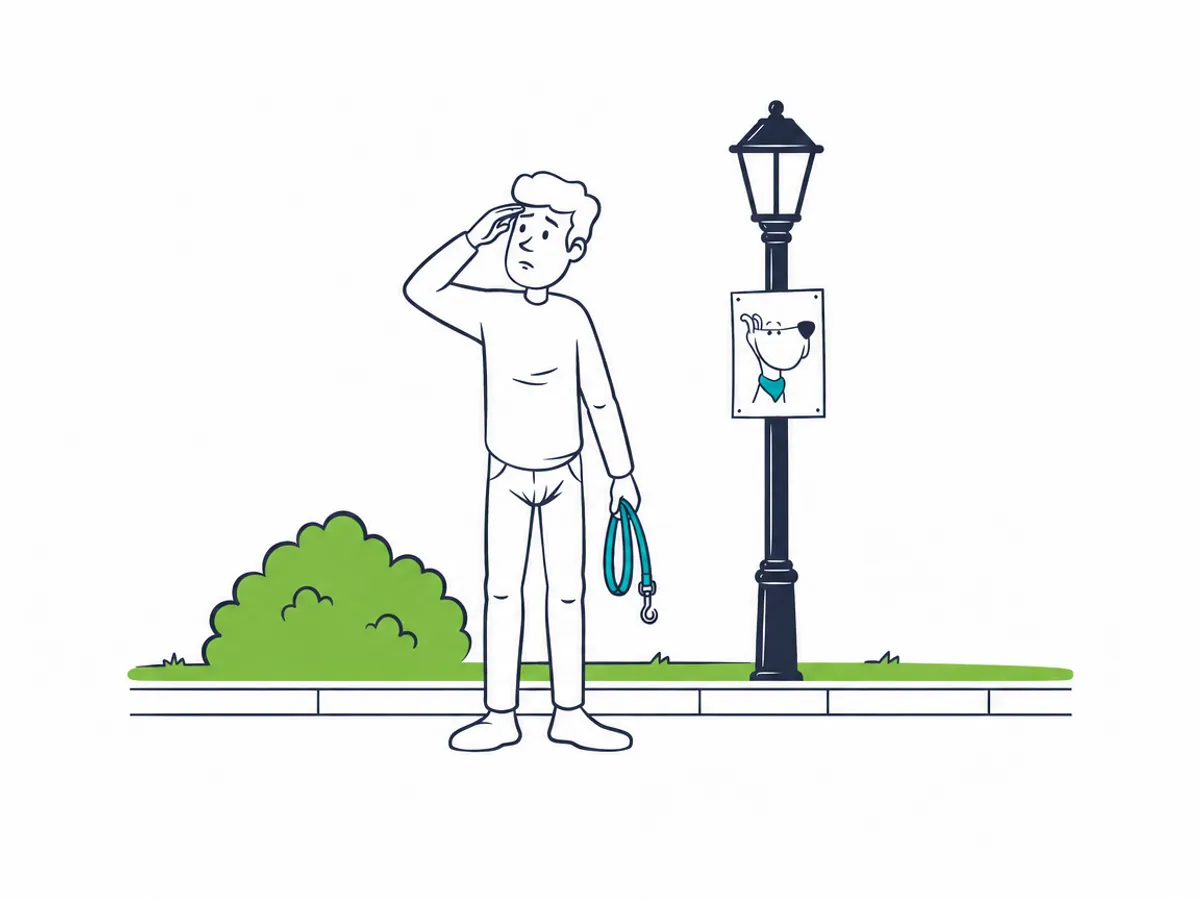
Start with rescues, animal welfare associations and municipal shelters near you, and ask whether they have, or are expecting, small dogs. The listing of small dogs for adoption on Miwuki Pet Shelter (in Spanish) brings small dogs together in one place; availability changes all the time, so check back often.
Widen your search, too. Many small crossbreeds have a similar size and similar needs, and may fit into your life just as well. If what draws you to the Havanese is their size and affectionate nature, do not rule out a mixed-breed dog.
What to ask the rescue before adopting
A good adoption starts with good questions. Write these down and take them to your visit:
- History and approximate age. Where the dog comes from and why they are up for adoption.
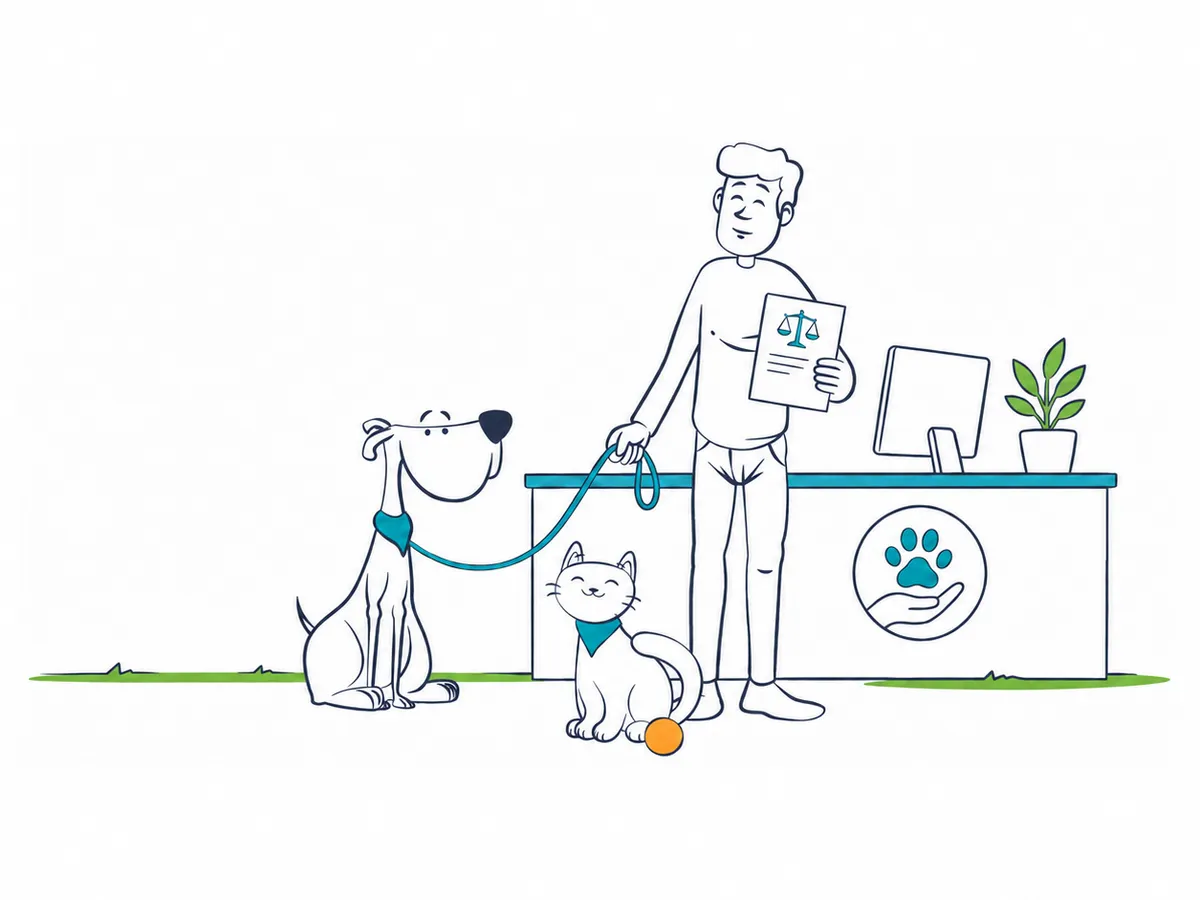
- Health. Which check-ups they have had, whether they have any known conditions and what treatment they receive. Spain’s Law 7/2023 on animal welfare (in Spanish) requires them to be handed over with a veterinary certificate describing their treatment and care.
- Paperwork. Microchip, vaccinations, parasite treatment and spaying or neutering, or a commitment to have it done.
- Living with others. How they get on with children, other dogs and cats, and how they cope with being left alone.
- Coat handling. Whether they tolerate brushing, bathing and grooming, and what condition their coat is in.
- Terms. What the fee covers, what the contract says and whether there is follow-up.
If you have questions about payments, we explain what an adoption fee is and what it usually covers.
Settling in at home: the 3-3-3 rule
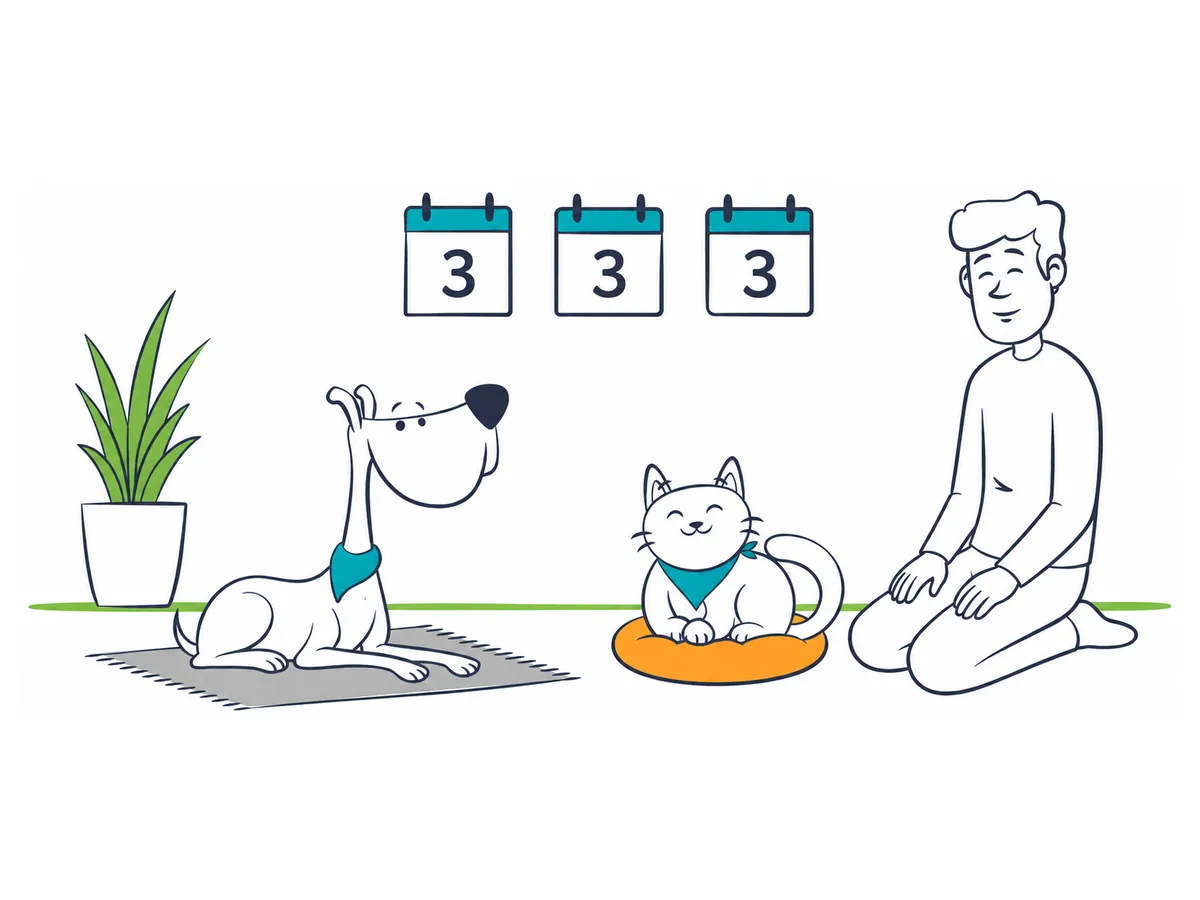
A newly adopted dog needs time. The 3-3-3 rule helps you keep your expectations realistic: the first 3 days are often confusing, at around 3 weeks they start to pick up the routine, and by about 3 months they feel at home. This is a popular guideline, not a clinical timetable or a deadline: every dog has their own pace.
A few ideas for those first days:
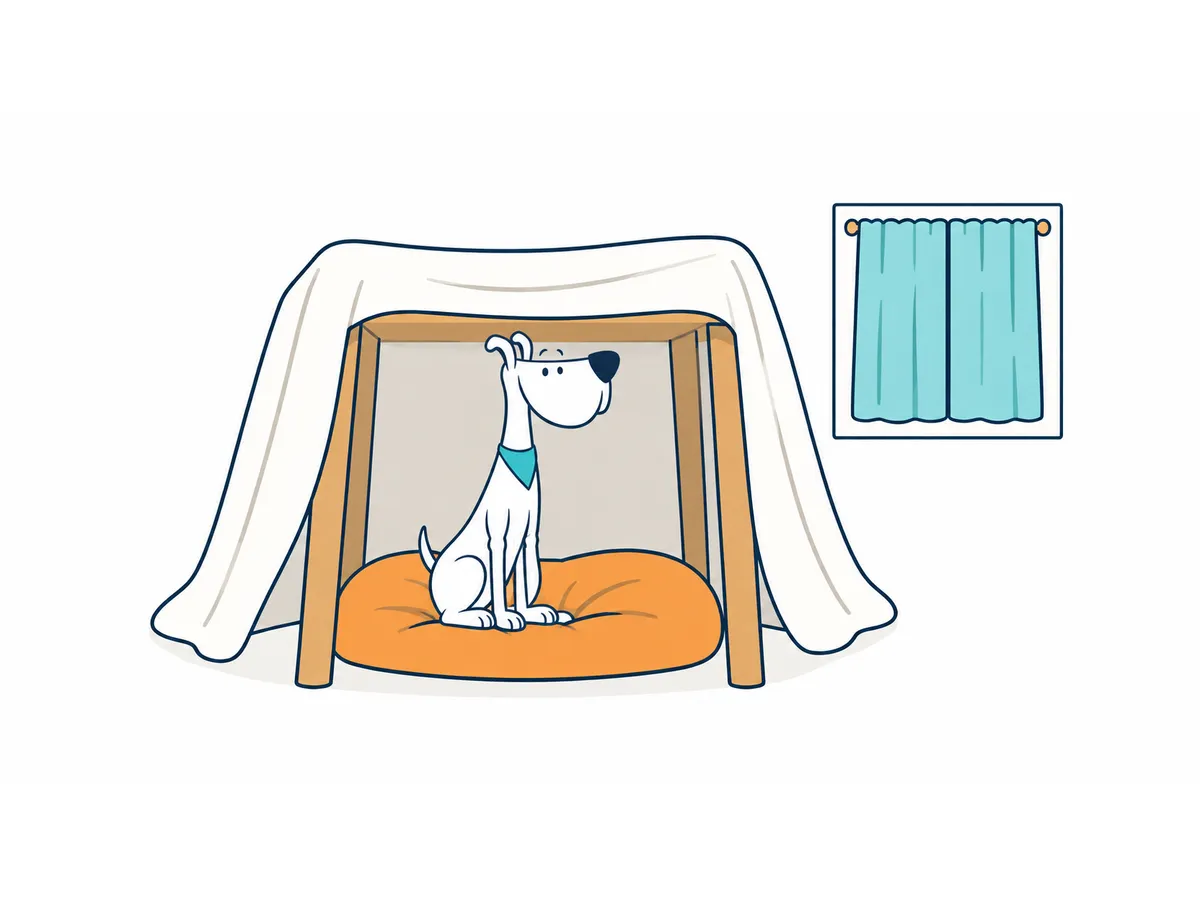
- Set up a quiet corner with a bed and water where nobody will disturb them.
- Keep regular times for meals, walks and rest.
- Introduce brushing gradually, in short sessions with rewards, so it does not feel unpleasant.
- Practise short absences before leaving them alone for longer.
Basic care and the first vet visit
Beyond the coat, a Havanese needs daily walks, playtime and mental stimulation, food suited to their size and age, and regular checks of their eyes, ears, nails and teeth. Their drooping ears, covered in long fringes, deserve a regular look.
The first vet visit
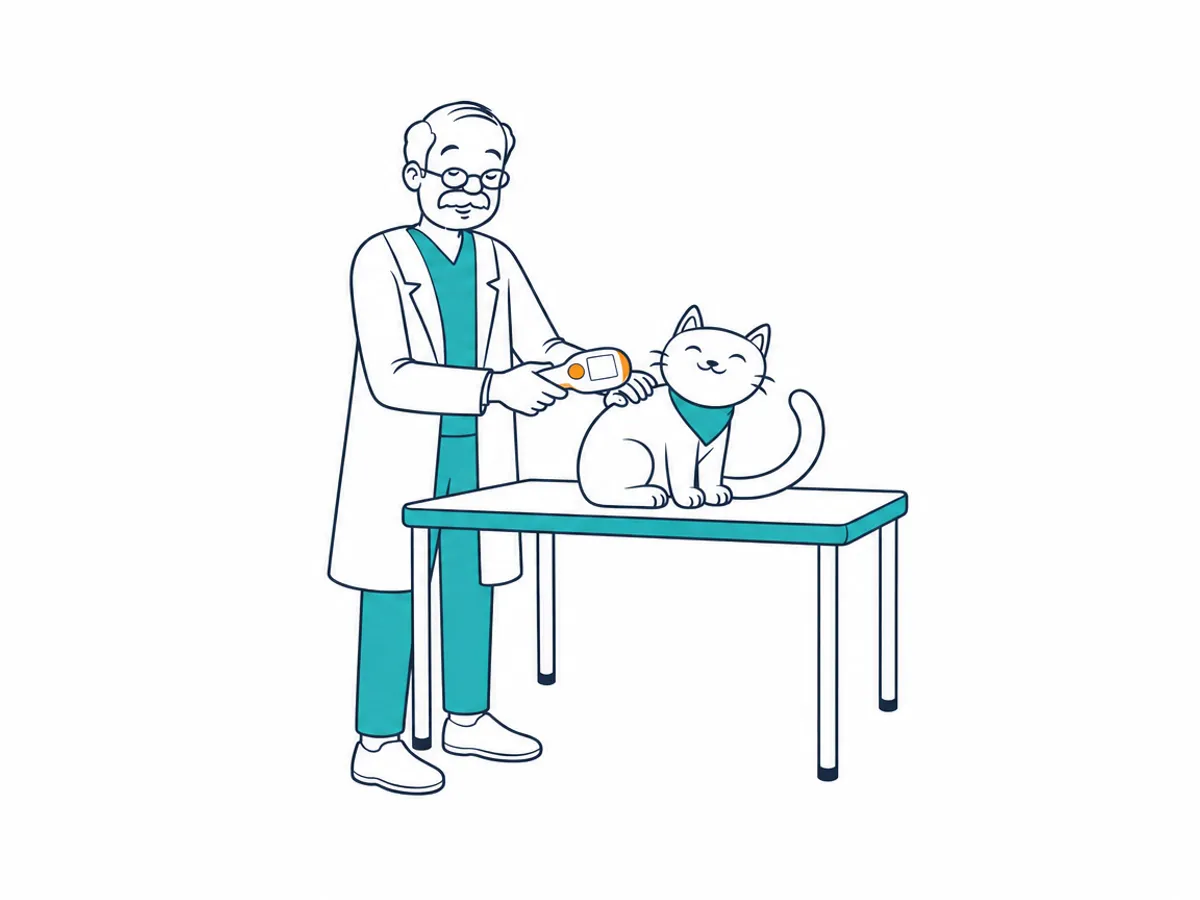
Book an appointment within the first few days after adoption and take all the paperwork the rescue gives you. Go sooner if they will not eat, vomit, have diarrhoea, scratch a lot, limp or show any change that worries you. This guide is for general information and cannot replace your vet’s assessment.
Beware of puppy “adoption” scams
Small, well-known breeds are a common hook in fake adverts. INCIBE, Spain’s national cybersecurity institute, describes the case of a woman scammed while trying to adopt a puppy online (in Spanish): she was asked to pay for delivery with prepaid cards, then for supposed veterinary treatment and later for a carrier. She never received the dog.
The law helps you spot the trick. In Spain, only public centres and registered animal protection organisations can carry out adoptions, always with a contract, and giving away dogs younger than eight weeks is forbidden. Be wary if:
- You are offered a purebred puppy “for adoption” that you cannot meet in person.
- You are asked to pay upfront for delivery, a carrier or vet costs.
- Payment must be made with gift cards, prepaid cards or other hard-to-trace methods.
- There is no registered organisation, contract or microchip number.
- You are pressured to decide quickly.
If you have already paid, do not send any more money, keep the evidence and report it to the police.
Conclusion
A Havanese can be a wonderful companion, but adopting one takes patience: with the search, with their settling-in and with coat care. Ask the rescue plenty of questions, be wary of blind delivery deals and keep your door open to other small dogs waiting for a family.