African pygmy hedgehog: care, health and the law in Spain
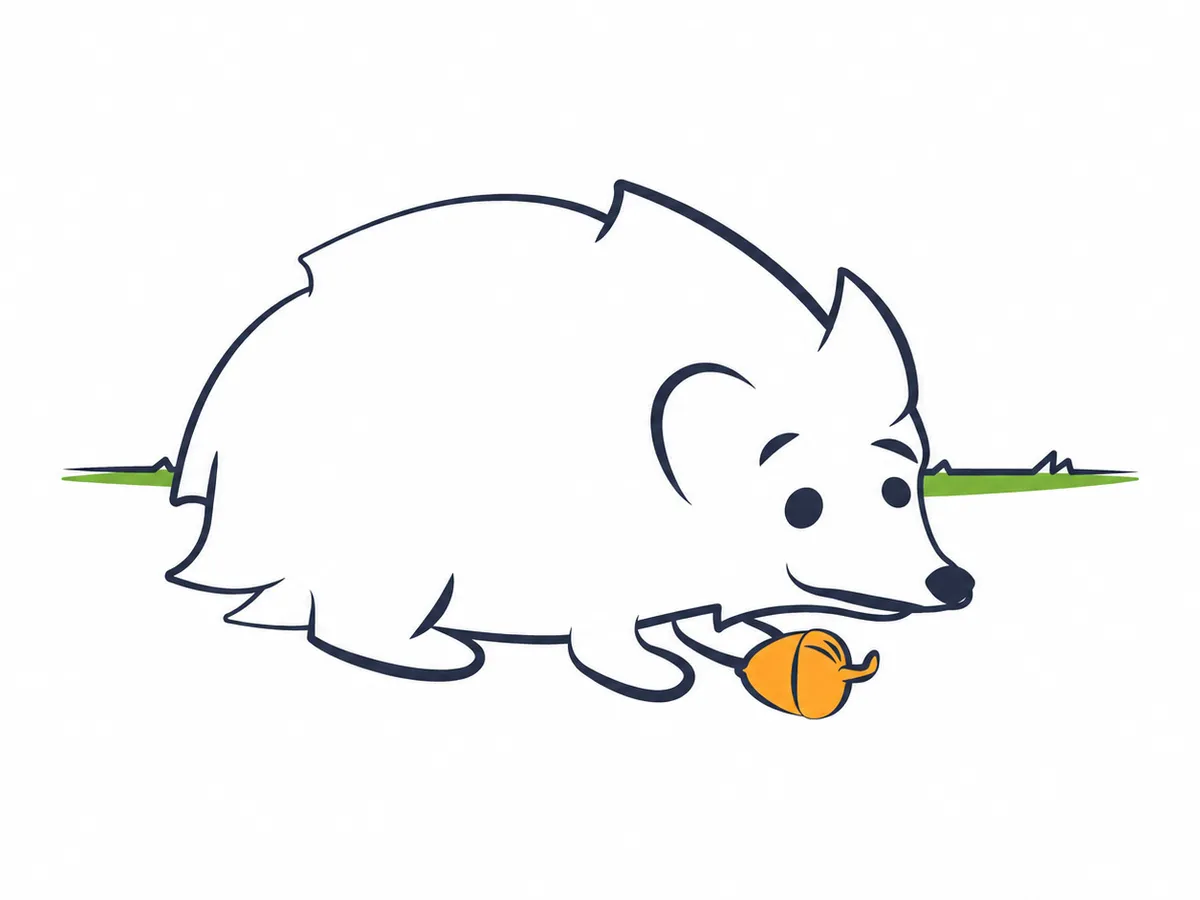
The African pygmy hedgehog (Atelerix albiventris) is a small nocturnal, solitary mammal that needs a stable warm temperature, a specific diet and a vet who treats exotic species. In Spain, it is also listed in the Spanish Catalogue of Invasive Alien Species, which generally prohibits keeping, selling or transporting it. If you already live with one, this guide will help you care for it well and understand what the rules say.
What the African pygmy hedgehog is
It is a hedgehog native to Africa, smaller than the wild hedgehogs of the Iberian Peninsula and with a pale belly, which is why it is also called the white-bellied hedgehog. It is mainly active at night and lives alone: the Merck Veterinary Manual notes that pet hedgehogs are usually housed in individual cages.
Sleeping through the day is not a problem; what should worry you is if it stops being active at night, stops eating or cannot roll into a ball.
It is not the hedgehog you see in the countryside
Spain has wild hedgehogs, such as the European hedgehog and the Algerian hedgehog. They are wildlife, and Spain’s Law 42/2007 on Natural Heritage and Biodiversity generally prohibits capturing, keeping or possessing them, including their young. If you find one that is injured, wandering disoriented in daylight or a baby on its own, do not take it home: call a wildlife rescue centre, your region’s environmental officers or 112 if you do not know who to contact.
Can you keep an African pygmy hedgehog in Spain?
Royal Decree 630/2013, which regulates the Spanish Catalogue of Invasive Alien Species, has included the African pygmy hedgehog for the whole of Spain since 2013. This means a general ban on possessing, transporting, trading and selling it, as well as on releasing it into the wild.
The decree provides an exception for animals already kept before the species was listed:
- Owners had to report them to their regional government (the deadline ended on 1 January 2022).
- These animals cannot be sold, bred or given away.
- The regional government may require neutering, identification or a signed statement, and must facilitate voluntary surrender if the owner requests it.
In addition, Spain’s Law 7/2023 on animal welfare states that invasive alien species listed in Royal Decree 630/2013 can never be included in the future positive list of companion animals.
If you already live with a hedgehog and are unsure of its species or status, contact your region’s environmental department. Never release it. Our guide to rehoming a hedgehog explains what to check before looking for a new home. And although Miwuki Pet Shelter has a section for hedgehogs looking for a home (in Spanish), if you live in Spain first confirm the species and ask your regional government whether a transfer is legal: for the African pygmy hedgehog, the general rule is that it is not.
Temperature and housing
Cold is one of its biggest risks. The Merck Manual recommends an ambient temperature of 22–32 °C, with 24–29 °C as the optimal range. If it gets cold (the manual mentions temperatures below about 20 °C) or too hot, it can go into a state of torpor that weakens its defences and is unhealthy for it.
For its housing, bear in mind:
- Space: the Merck Manual recommends a minimum floor area of about 0.6 × 0.9 metres.
- Wheel: with a smooth, solid running surface made of metal or plastic, never bars or mesh, where it can trap its legs.
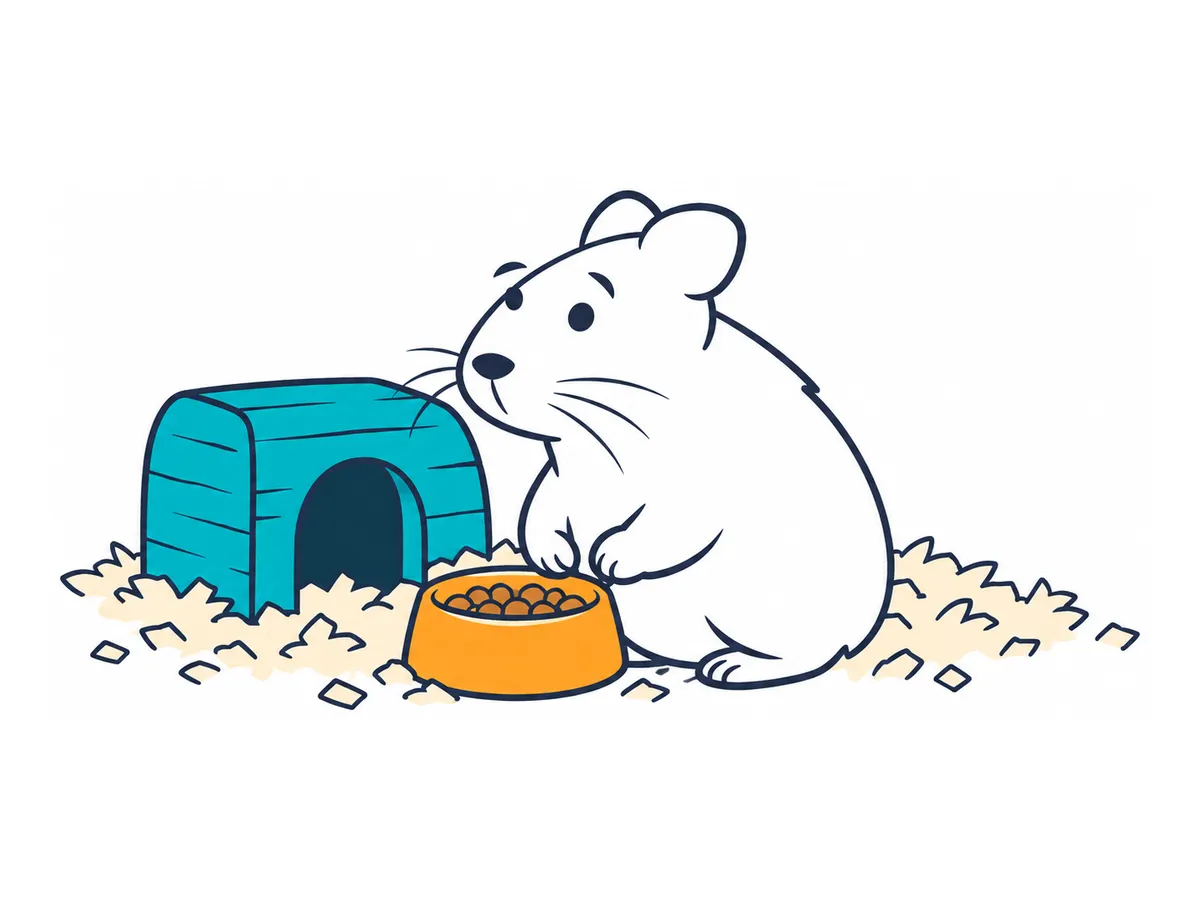
- Substrate: a layer it can dig in, at least one hiding place and no threads or frayed fabric that could tangle its toes.
- Heat: a safe heat source controlled by a thermostat, and a thermometer to check the real temperature.
What to do if you find it cold and torpid
If it feels cold to the touch, barely moves or does not respond, warm it gradually (for example, by raising the room temperature or with a warm water bottle wrapped in a towel, without direct contact) and call the vet. Do not wait to see whether it recovers on its own.
Diet and weight control
The Merck Manual recommends a commercial hedgehog or insectivore food as the base diet, or a high-quality weight-management cat food, plus small amounts of varied moist foods and some vegetables or fruit. It advises against raw meat and eggs, because of the risk of Salmonella, and against milk.
Obesity is very common in captive hedgehogs and can stop them rolling up completely. To prevent it:
- Ration food instead of keeping the bowl constantly full.
- Limit fatty treats.
- Weigh your hedgehog once a week and note the result.
- Make sure it can move around and use its wheel every night.
African pygmy hedgehog health: common problems
The Merck Manual gives a lifespan of 4–6 years and describes several common problems:
- Wobbly hedgehog syndrome (WHS): a progressive paralysis that usually starts with poor coordination of the hind legs and can appear at any age. Its cause is unknown, a hereditary basis is suspected and there is no effective treatment.
- Tumours: very common and a major cause of death; they are mostly diagnosed from 3 years of age.
- Skin mites: cause scaling, crusts and loss of spines.
- Mouth problems: inflamed gums, loose teeth or lumps on the gums, which may be due to dental disease or oral tumours.
Salmonella and hygiene
Many hedgehogs carry Salmonella without showing symptoms, and transmission to people has been documented, especially in young children. Wash your hands after touching your hedgehog or its cage, and keep its equipment away from the kitchen and food preparation areas.
When to see a vet
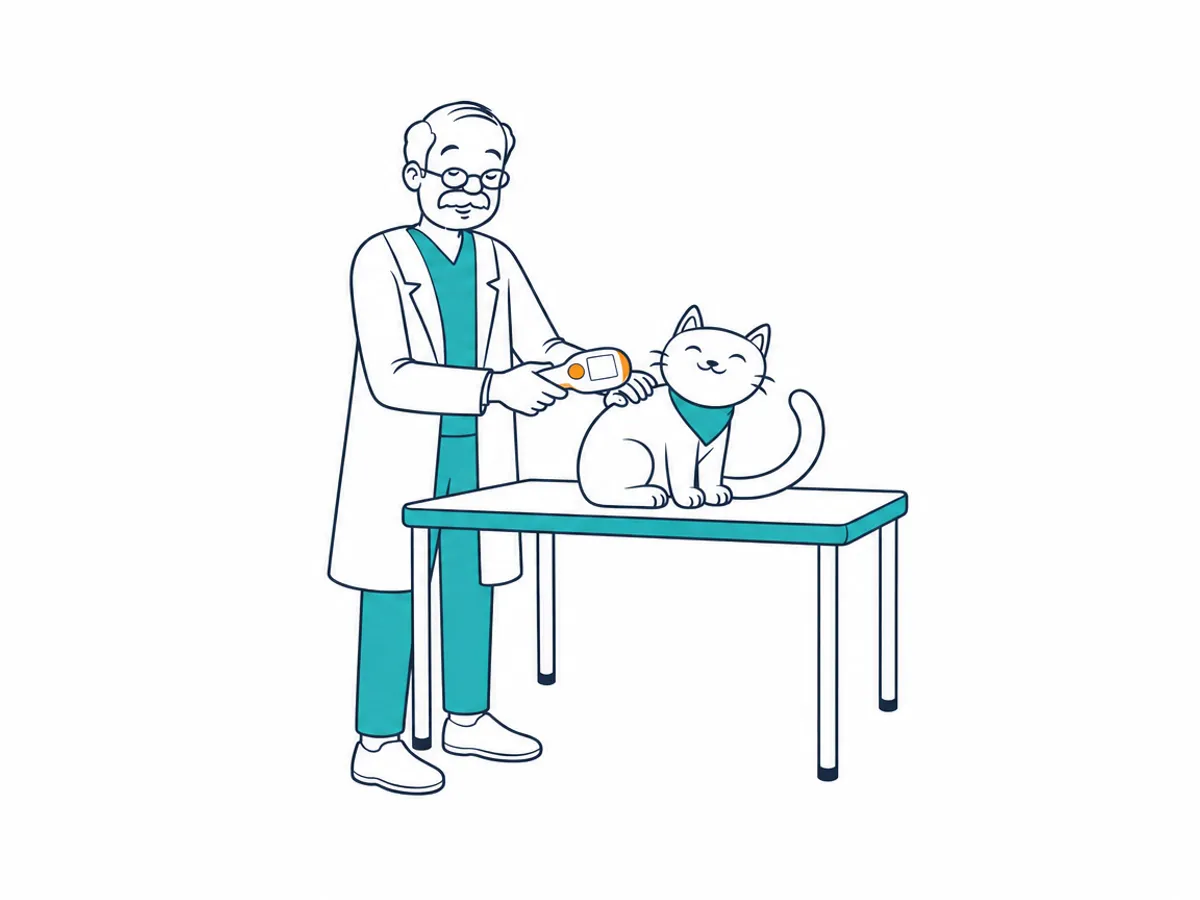
Hedgehogs tend to hide illness, which is why the Merck Manual recommends a full check-up every 6 to 12 months. See an exotic vet as well if:
- It stops eating or loses weight.
- It wobbles or struggles to coordinate its legs.
- It loses spines, has crusts or scratches a lot.
- You notice lumps, diarrhoea or blood in its droppings.
- It is cold and torpid: in that case, it is urgent.
This guide does not replace an assessment by a vet.
To bring an organised history to appointments, you can keep your pet’s care records and reminders in Miwuki Pet Life. Always follow your vet’s individual advice.
If you also live with dogs or cats, Miwuki veterinary insurance for dogs and cats is a product for those species, not for your hedgehog. Arrange care for the latter with an exotic animal vet.
Conclusion
The African pygmy hedgehog needs constant warmth, a measured diet, a safe wheel and check-ups with an exotic vet. In Spain, it is also an invasive alien species: as a general rule it cannot be bought, sold or given away, and it must never be released. If you already live with one, care for it well and ask your regional government about any doubts regarding its legal status.