Why does my cat sniff me so much? What they are checking
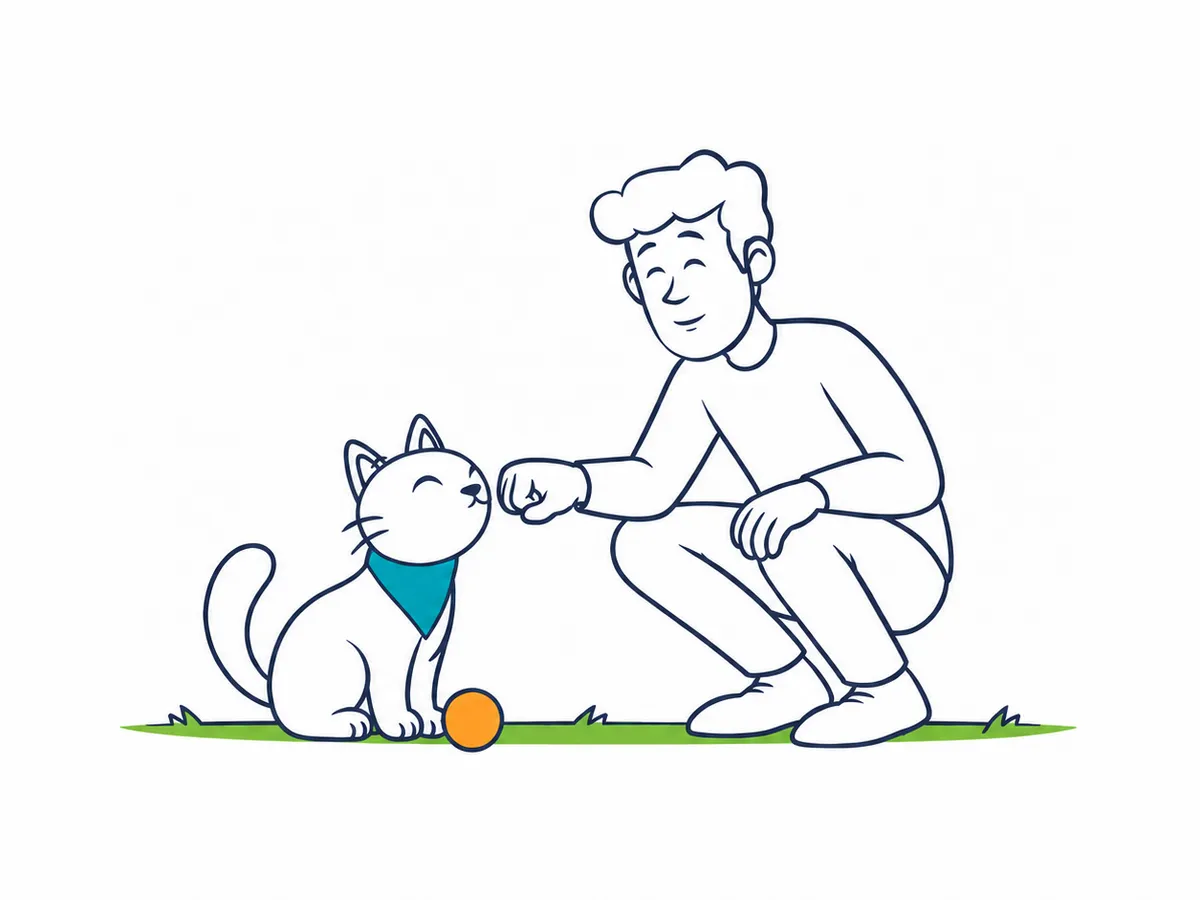
If your cat sniffs you a lot, they are most likely gathering information: where you have been, who or what animals you have been in contact with, and whether you still smell “like home”. Cats communicate largely through scent, so sniffing you is a normal way of recognising you and catching up. It is only worth paying closer attention if the sniffing comes with a sudden change in their behaviour or health.
How a cat’s sense of smell works
Cats have a highly developed sense of smell, much better than ours, and they use it constantly to communicate and find their way around. International Cat Care explains that they have two systems for detecting chemical signals:
- The sense of smell in the nose, which picks up scents from the environment, food, other animals and people.
- The vomeronasal organ, located in the palate, which specialises in detecting pheromones: substances animals use to communicate with each other.
For a cat, scent works a bit like an ID card. It tells them who belongs to the family, who is a stranger and what has changed in their territory. The Merck Veterinary Manual highlights that smell is key to how cats gather information, and that keeping familiar scents around them gives them a sense of security.
The vomeronasal organ and the “disgusted face” (flehmen)
You may have seen your cat sniff your shoes or clothes and then pause with their mouth slightly open, upper lip a little raised and a faraway look. They are not disgusted: this is the flehmen response. With this gesture they direct air towards the vomeronasal organ, whose openings sit just behind the upper incisors, to analyse certain scents and pheromones more closely. It is normal behaviour and usually appears in response to interesting or unfamiliar smells.
Why does my cat sniff me so much when I get home?
When you come back from work, the supermarket or a visit, you bring a mix of new smells with you: the street, public transport, other people and sometimes other animals. To your cat, you are part of their territory, so it makes sense for them to check you over. Some common examples:
- Shoes and trouser hems: they collect smells from outside.
- Hands: they carry traces of whatever you have touched, from food to a friend’s dog.
- Bags and backpacks: they may carry smells from places your cat does not know.
It is common for a cat to rub against your legs after sniffing you. International Cat Care notes that when a cat does this to greet you, they are behaving just as they would when greeting another cat. It is a way of “updating” the scent you share.
If you have been in contact with another cat, they may seem especially interested or even a little tense. In that case, let them sniff you at their own pace and do not push your clothes towards their face.
Why does my cat sniff my face?
Your face carries lots of smells: your breath, what you have just eaten or drunk, moisturiser, perfume or shampoo. When a trusting cat approaches your face, sniffs and sometimes rubs their cheek against you, it is usually a calm social interaction. We cannot always know exactly what they are looking for each time, but we can read the context:
- They approach relaxed, sniff and rub against you: a friendly interaction.
- They sniff persistently after you change moisturiser or perfume: they are investigating something new.
- They sniff and move away, with ears back or a twitching tail: something is not right for them; give them space.
If you would rather they did not get so close to your face, simply offer your hand or cheek from a little further away, without pushing them off abruptly.
Sniffing, rubbing, kneading: your cat leaves their scent too
Sniffing you is only half the conversation. The other half is leaving their own scent. Cats have glands in areas such as the chin, the sides of the mouth and cheeks, the sides of the forehead, the base of the tail and along it, and also on their paw pads and between their toes.
That is why your cat:
- Rubs their head or cheeks against you and against furniture. International Cat Care links this behaviour with comfort, reassurance and friendly interactions.
- Kneads you with their front paws, a behaviour in which scent may also play a part, as we explain in why cats knead.
- Scratches in places they pass often, leaving both a visual and a scent mark.
Cats Protection explains that cats also transfer pheromones onto each other to mark one another as safe and trusted. They do something similar with you: they mix their scent with yours.
How to respond when your cat sniffs you
You do not need to do anything special, but a few habits help them feel comfortable:
- Let them sniff you when you arrive. Take off your shoes, crouch down and wait for them to come to you.
- Do not force them to smell things. If something interests them, they will come closer on their own.
- Avoid strong smells in their environment. The Merck Veterinary Manual recommends avoiding strong cleaners, detergents, citrus and scented litter, as they can cause stress.
- Keep familiar-smelling items around, such as their blanket or bed, especially after moving house, travelling or having visitors.
- Respect their signals. If they move away after sniffing you, do not follow them.
A practical example: if you have just stroked your neighbour’s dog, wash your hands and let your cat sniff you calmly before picking them up.
When a change in behaviour needs attention
A cat sniffing you is usually normal behaviour on its own. What is worth watching for are sudden changes, such as when they:
- Start avoiding you, hiding or hissing at you for no obvious reason.
- Sniff and mark much more than usual, or start urinating outside the litter tray.
- Sneeze, have nasal discharge or eat less than normal.
- Change their activity level, appetite or the way they interact.
These changes may be due to stress, pain or other health problems. If you notice any of them, review the signs of stress in cats and book a vet appointment. This guide is for general information and does not replace a professional assessment.
Conclusion
If your cat sniffs you when you get home, smells your face or pauses with their mouth open after sniffing your shoes, they are doing something very typical of their species: learning through scent and strengthening their bond with you. Let them do it calmly, avoid strong smells at home and only watch out for sudden changes in behaviour.