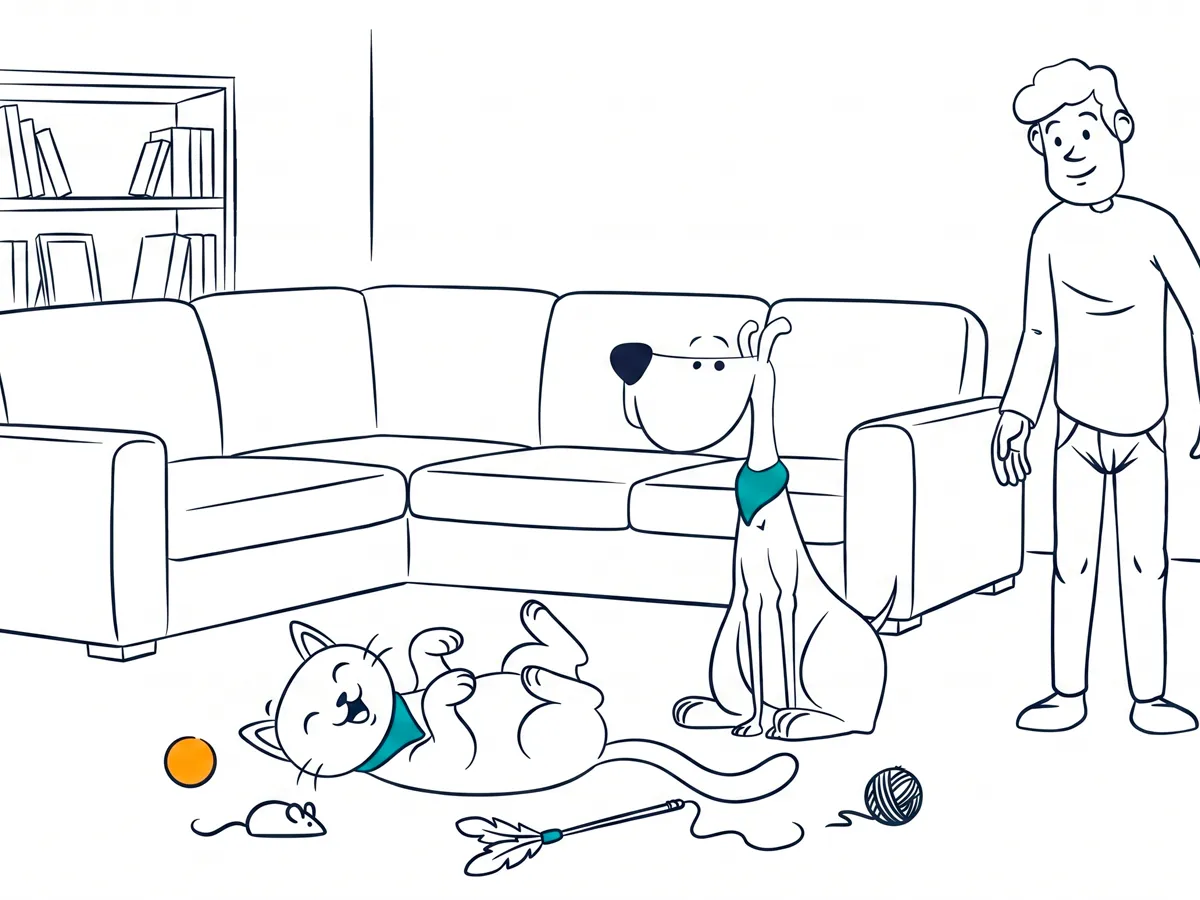
Why does my cat bite when I pet them? Causes and what to do
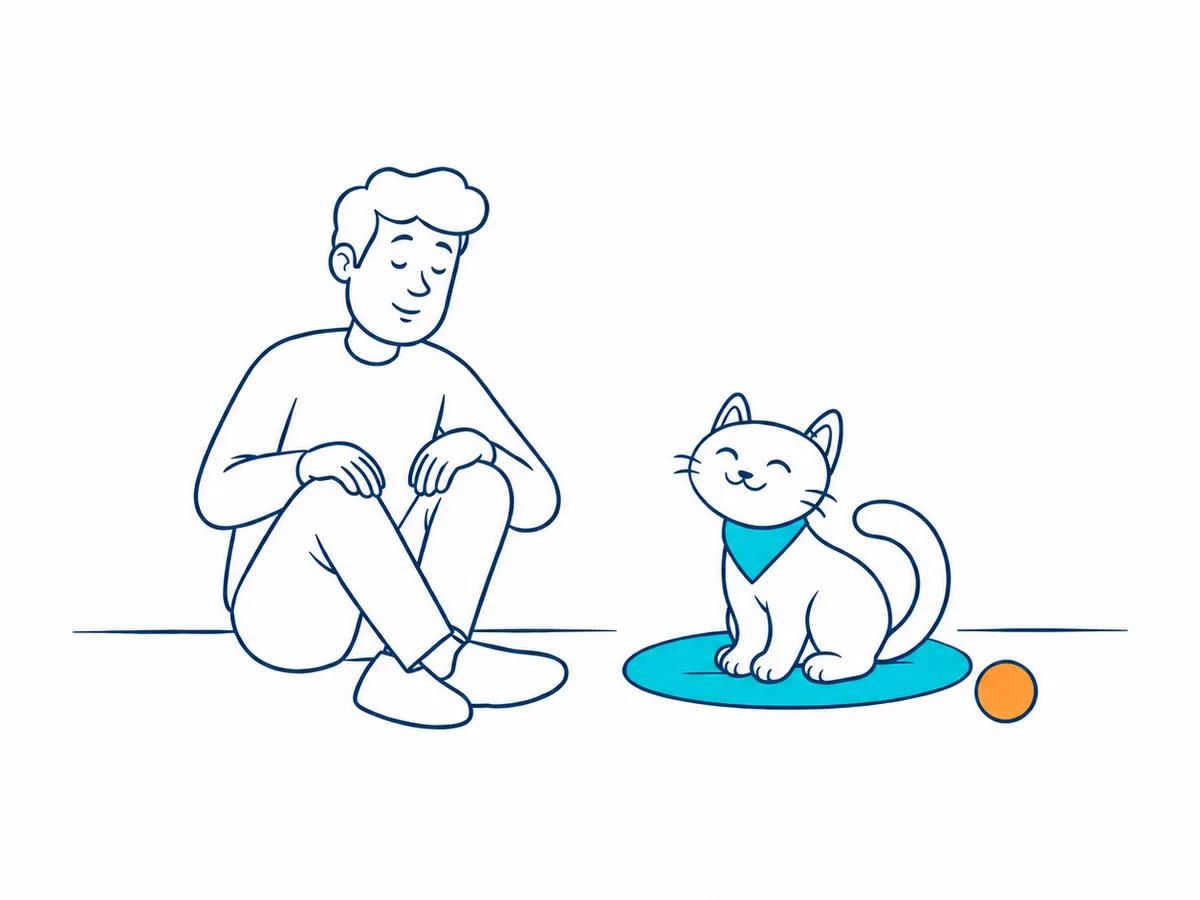
If your cat bites when you pet them, stop touching them and give them space. They may have reached their tolerance limit, be playing, or be frightened or in pain. A bite does not mean they are “bad”, and it is not proof of affection: look at what happened beforehand and whether their behaviour has changed.
Why do they bite after asking for attention?
Approaching you does not mean wanting endless strokes. Some cats accept brief contact and then need a break. Cornell describes petting-induced aggression but notes that its causes are not fully understood; overstimulation is one possible explanation, not a diagnosis you can make at home.
Context matters too. A cat chasing a moving hand may be directing play towards it. A cat who feels trapped may be trying to defend themselves. If they previously enjoyed being touched and now resist it, a vet should check for pain.
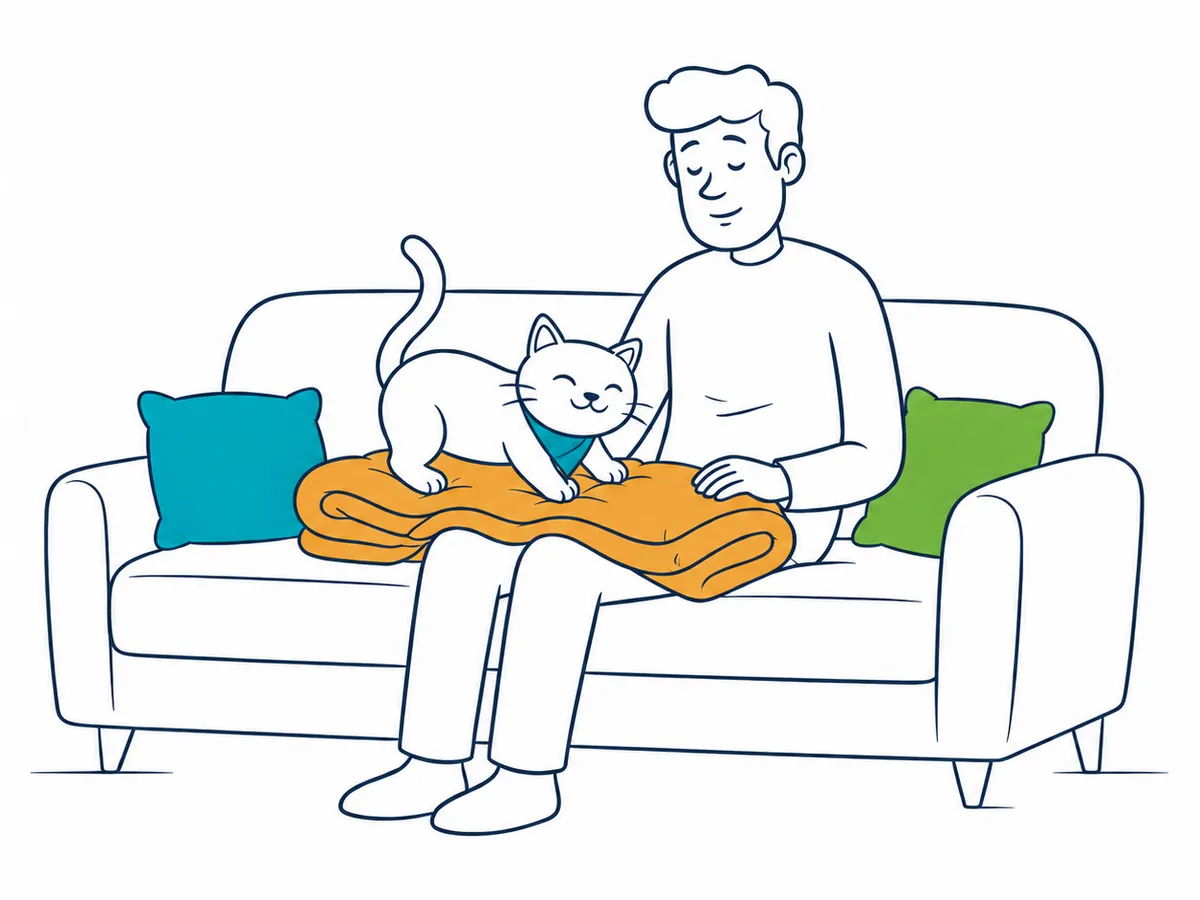
Imagine two situations: your cat approaches, accepts some strokes and then moves away; or they stay on your lap while you keep stroking and eventually bite. In either case, the useful question is when it would have been better to stop, rather than how to make them tolerate more.
Signs to stop before a bite
Watch the whole cat rather than relying on one signal:
- Their tail starts flicking or lashing.
- Their ears turn back or flatten.
- Their body becomes tense and their pupils widen.
- They move away, growl or try to push your hand away.
You do not need to see every sign. If you are unsure, pause. Signals can be brief or hard to spot; do not provoke another episode to check for them. If their routine has changed too, our guide to signs of stress in cats offers further context.
What if they are purring or only biting gently?
Do not treat purring as permission to carry on. The strength of a bite cannot tell you its cause on its own either. Cats Protection’s guide to why cats bite considers fear, stress and excitement, and recommends keeping sessions short. A bite that leaves no mark today does not make hands a safe toy.
How to offer strokes while respecting breaks
- Let your cat approach. Offer your hand without crowding or following them.
- Start with gentle contact around the cheeks or chin, if they seek it and remain relaxed.
- Pause early. See whether they seek more contact; staying still does not necessarily mean enjoying it.
- Let them leave. Do not hold them in place or block their way out.
- Keep play and petting separate. Use toys that keep your hands at a distance; these safe homemade cat toy ideas may help.
Showing their belly is not an automatic invitation to rub it either. If your cat prefers sitting beside you without being touched, that shared time can still be part of your bond.
A simple record to help you spot patterns
After an episode, note where you were, whether your cat approached, where you touched them, what you noticed before the bite and what happened when you stopped. For example: “On the sofa; approached me; strokes along the back; tail started moving; I withdrew my hand and they walked away.” This is a sample note, not a real case or a clinical interpretation.
Bring your notes to an appointment if the problem repeats. To organise care and reminders, you can download Miwuki Pet Life on Google Play.
Common mistakes to avoid
- Punishing, shouting or holding your cat down to “correct” a bite.
- Repeatedly touching a seemingly painful spot to confirm the reaction.
- Stroking them while they are asleep, hiding or highly excited during play.
- Asking a child to try touching a cat with a history of biting.
- Taking every departure as rejection and bringing them back onto your lap.
If essential care requires handling that you cannot do safely, ask a professional for help; this guide cannot replace an individual handling plan.
When to seek help and what to do about an injury
Contact your vet if the behaviour starts suddenly, worsens or seems linked to pain. Persistent problems may need assessment by a qualified feline behaviour professional working with your vet. In the meantime, avoid situations that trigger bites.
If a bite breaks your skin, wash the wound with soap and water and cover it with a clean dressing. Seek prompt medical advice, especially for a bite on the hand; do not wait for signs of infection. A deep wound or bleeding that will not stop needs urgent care. Heat, swelling, discharge or fever also need medical attention.
Conclusion
When a cat bites during petting, start by reducing contact and noticing when they need a break. The aim is for them to approach and leave calmly. Recording the context and seeking advice about changes is more useful than labelling them aggressive or continuing until another bite.