When do kittens start pooping on their own?
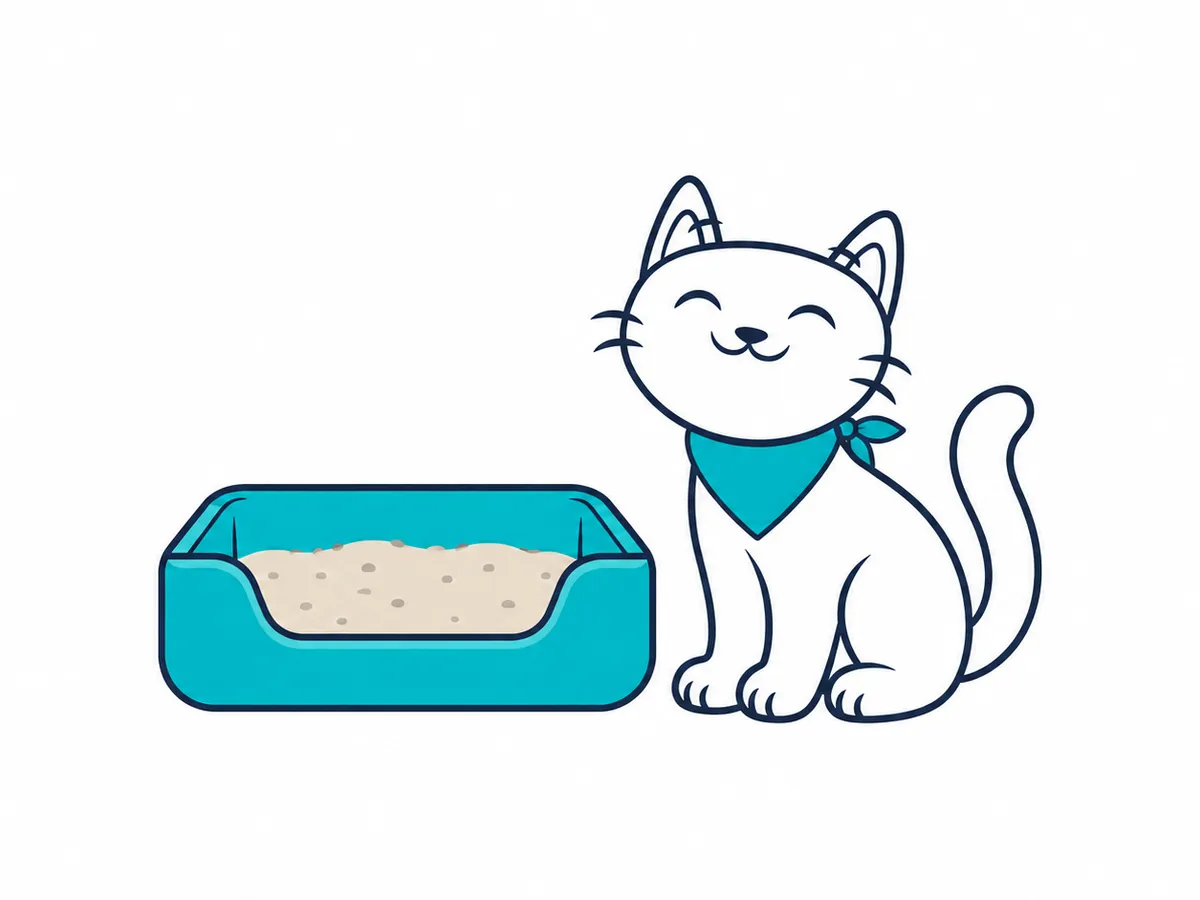
Kittens start going to the toilet on their own at around 3-4 weeks of age. Until then, their mother licks their genital and anal area after nursing so that they pee and poop; if the kitten is orphaned, that job falls to you after every feed. From that age you can offer a low litter box and start teaching them to use it.
At what age do kittens poop on their own?
Veterinary Partner (VIN) explains that kittens under 3-4 weeks old do not go to the toilet by themselves. Alley Cat Allies’ development guide places the change at around 20 days: at that age they can start peeing and pooping without help, and it is a good time to introduce the litter box.
The change does not happen overnight. During this transition, keep checking that they are peeing and pooping normally, and do not assume they can manage alone until you see them using the litter box regularly.
Why can’t they do it earlier?
In the first weeks, peeing and pooping depend on a reflex triggered by the mother’s stimulation. After each feed, the mother cat licks her kittens’ genital and anal area, which prompts them to go. Without that stimulation, a very young kitten cannot pee or poop on their own.
How to stimulate a kitten to pee and poop
If you are caring for a kitten without a mother, this is the procedure described by Veterinary Partner, step by step:
- Do it after every feed. That is when the mother would do it.
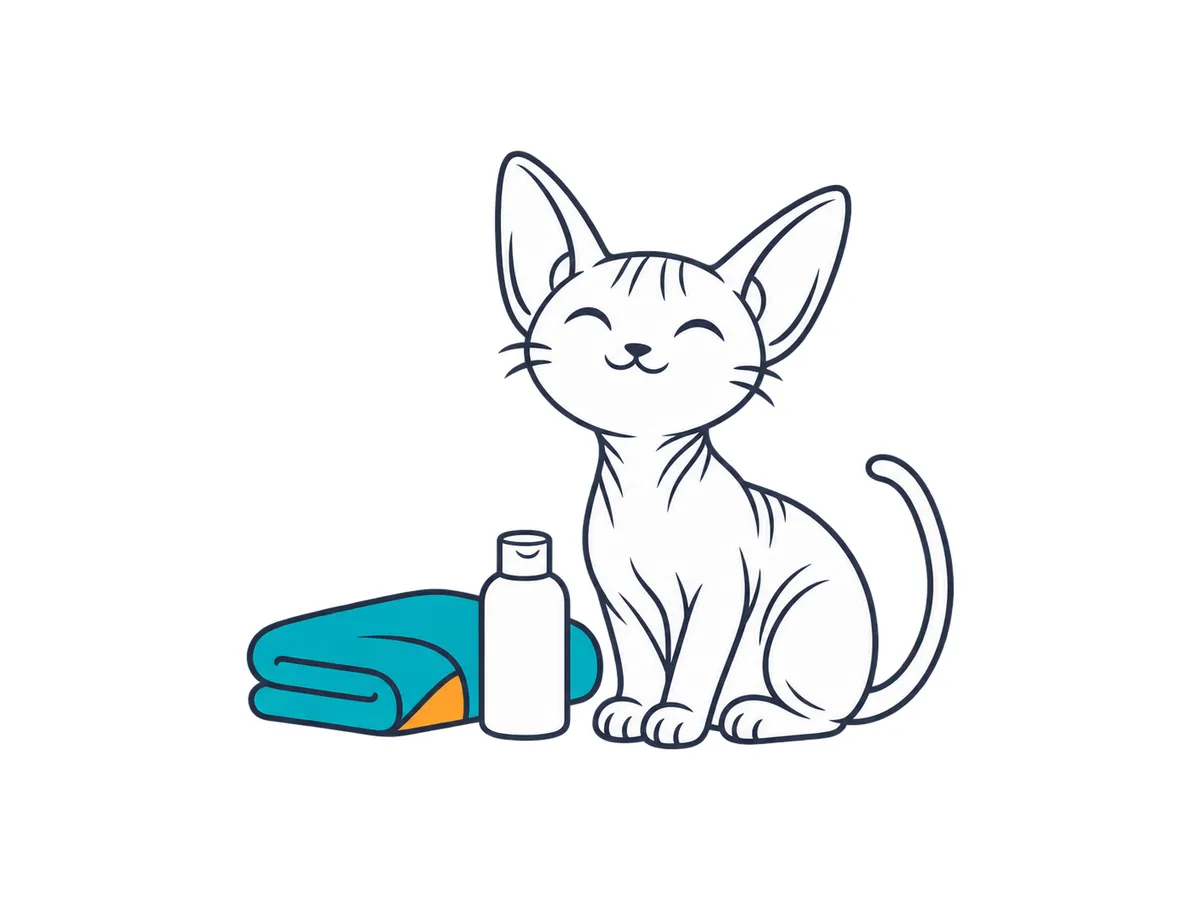
- Use a soft cloth, gauze or cotton wool moistened with warm water. Avoid scented products.
- Very gently rub the genital and anal area, using short strokes for a brief period. They do not need to poop after every feed: do not keep rubbing or apply pressure if they do not, and ask your vet to demonstrate the technique.
- Clean and dry the area well afterwards to prevent irritation.
- Write down what they have done. Veterinary Partner recommends keeping a daily record of weight, feeds, behaviour and toileting: it will help you spot problems early.
Feeding, warmth and the rest of an orphaned kitten’s care are covered in our guide to caring for orphaned newborn kittens; here we focus on toileting and hygiene.
What is normal in a nursing kitten’s urine and stools
According to Veterinary Partner, a kitten’s urine is usually almost transparent or pale yellow, and their stools soft and yellowish. If the urine darkens or the stools change a lot in colour or consistency, mention it to your vet.
Moving to the litter box
Alley Cat Allies suggests offering a litter box at around the third week, and describes kittens using the litter box normally by the sixth. The AAHA/AAFP guidelines note that kittens learn many of their toileting habits from their mother, so if she is around, they will copy her.
To make things easier:
- A low litter box. A tray with low sides lets them get in and out without effort, which the AAHA/AAFP guidelines also recommend for kittens.
- Non-clumping, unscented litter for the youngest. The National Kitten Coalition advises against clumping litter during weaning, as it can be dangerous if a kitten swallows it.
- Close to their area, but away from food and water. If the space is large, put out more than one box.
- After meals and when they wake up, gently place them in the box. If they start digging, you are on the right track.
Once they are weaned and no longer put litter in their mouth, the AAHA/AAFP guidelines suggest starting with unscented clumping litter or the type they have been using, and offering different types to see which they prefer. To choose the right box for their size, see our guide on choosing a litter box for cats.
If they go outside the litter box
Do not scold them or take them to the box as a punishment: the AAHA/AAFP guidelines explicitly advise against it. Clean the area thoroughly, place a box nearby and check whether the one they have is too high or dirty. If it keeps happening, take them to the vet: in kittens it may be due to intestinal parasites, infections or congenital problems.
At how many months do kittens eat on their own?
Weaning starts early. The AAHA/AAFP guidelines state that kittens can start eating complete kitten food between 3 and 5 weeks of age. According to Alley Cat Allies, by around 7 weeks they are almost weaned and by about 8 weeks, roughly two months, they are eating on their own.
That change in diet also changes their stools. Check that they keep going regularly during the transition and that no diarrhoea appears.
Warning signs: constipation, diarrhoea and blood
Veterinary Partner gives useful reference points for hand-reared kittens:
- More than a day without pooping: this may be because the milk is not providing enough fluid or the stimulation is not enough. Check that you prepare the milk as the pack instructs and that you stimulate after every feed.
- More than two days without pooping: call your vet. Do not give laxatives or enemas yourself; that is for the vet to decide.
- Diarrhoea: contact your vet promptly; do not wait a day with a newborn, because it causes fluid loss very quickly and can lead to dehydration or low blood sugar.
Seek urgent care if you see blood in their stools or urine, if they do not pee after stimulation, if they cry or strain hard when trying, if their belly is swollen or hard, or if the area is red, irritated or sore. The same applies if they are lethargic or stop eating. A kitten’s health can change very quickly, so do not wait to see whether things improve. This guide does not replace an assessment by a vet.
To bring an organised history to appointments, you can keep your pet’s care records and reminders in Miwuki Pet Life. Always follow your vet’s individual advice.
Conclusion
Kittens need help to pee and poop until around 3-4 weeks: the mother does it by licking them and, if she is not there, you should stimulate them gently after every feed. After that comes a low litter box with litter that is safe for their age, and by about two months they are eating and going to the toilet on their own. Check their toileting every day and seek advice early if anything changes.