When can kittens drink water? Age, weaning and warning signs
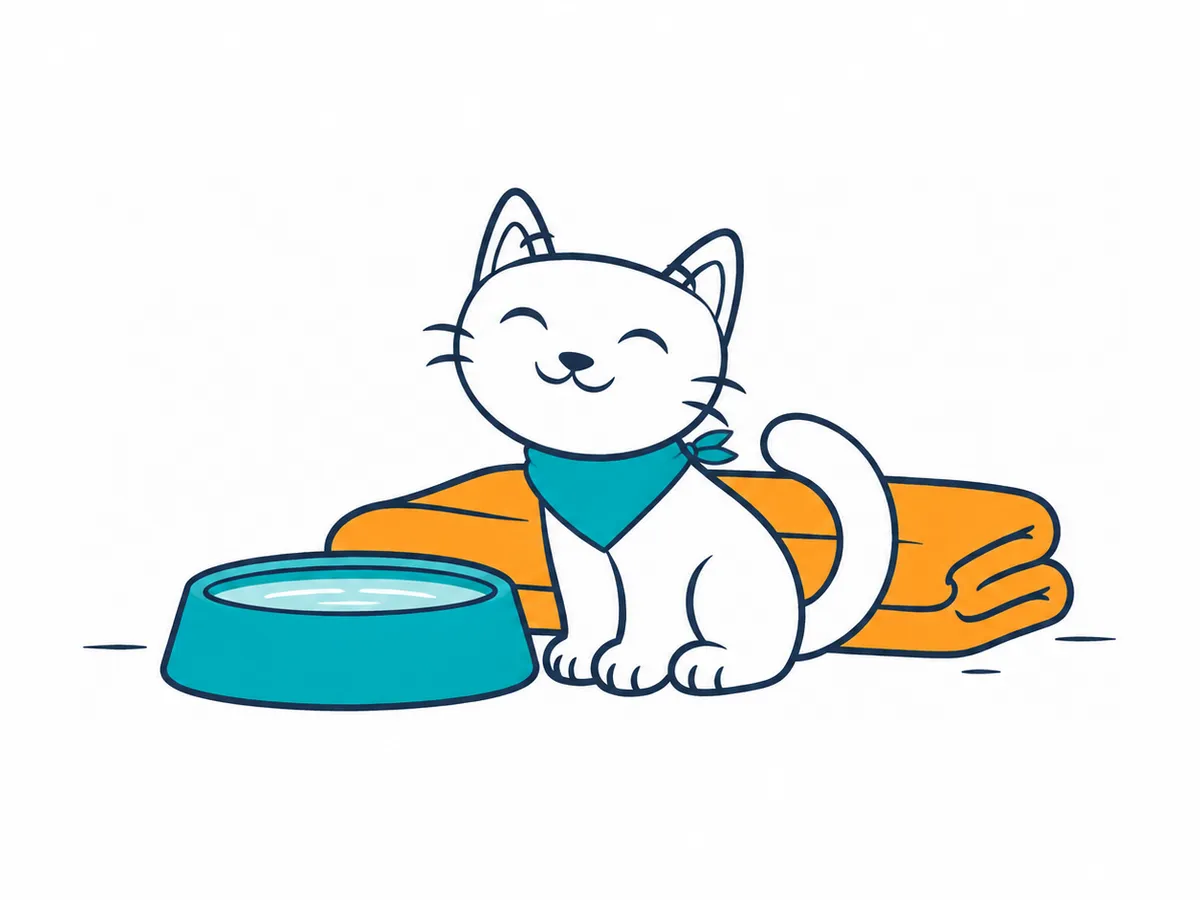
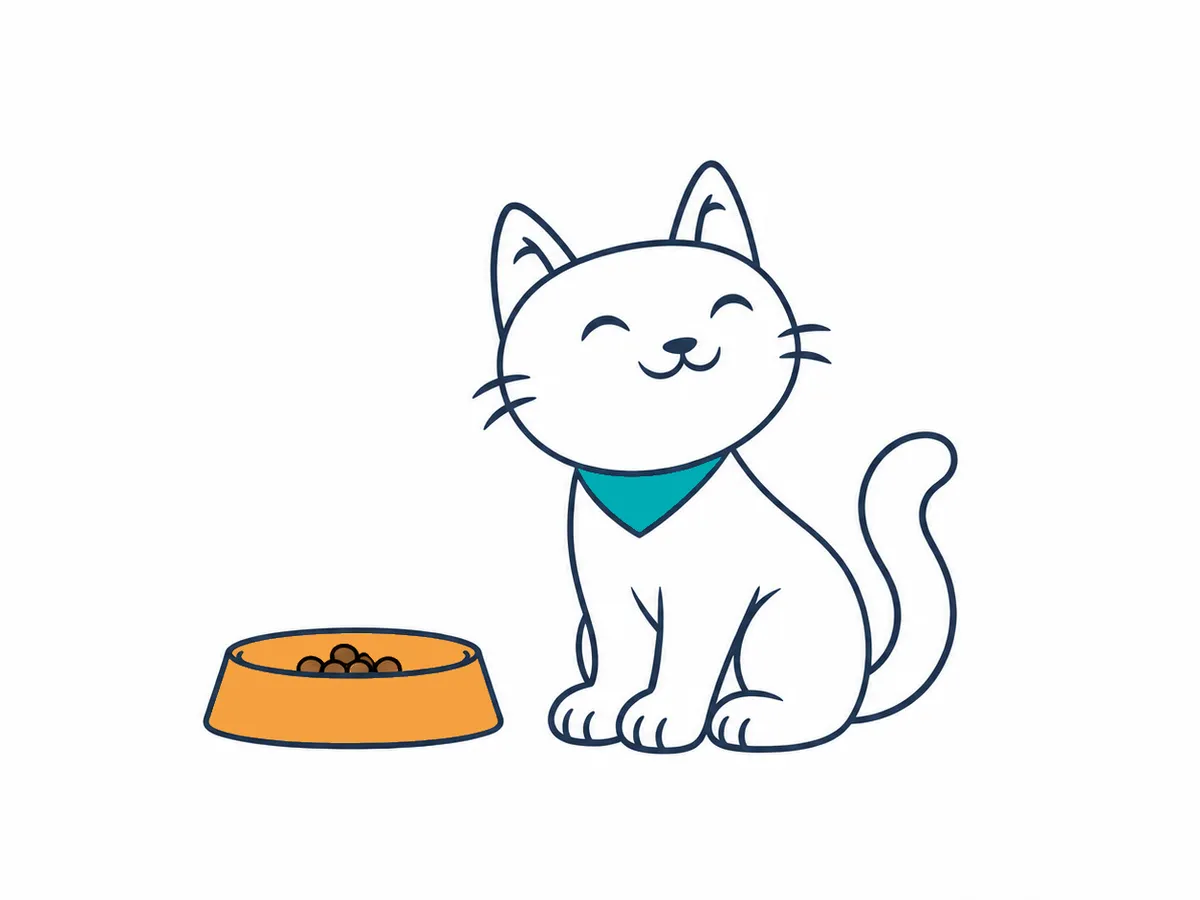
A kitten can start drinking water when weaning begins, at around 3-4 weeks of age: from then on, they should always have a shallow bowl of fresh water within reach. Before that age, their mother’s milk or a kitten milk replacer provides all the food and fluid they need. Water goes alongside milk during weaning, but it does not replace it.
When can kittens drink water?
Water arrives together with solid food. Veterinary Partner (VIN) places weaning between weeks 3 and 4, and the National Kitten Coalition recommends starting to introduce wet food at about three weeks. Throughout that period, the same organisation advises that kittens should always have a shallow bowl of clean water.
The reason is simple: while they are nursing or bottle-fed, almost everything they take in is liquid. As they eat more wet or dry food and less milk, they need to drink water to make up for what the bottle used to provide.
A practical way to picture it:
- First weeks: milk only (their mother’s or a milk replacer). No water bowl.
- Around 3-4 weeks: weaning begins. Wet food and a water bowl appear.
- During weaning: they still take milk several times a day while eating and drinking more and more on their own.
Every kitten has their own pace. If the mother is present, she leads much of the process; if the kitten is orphaned, your vet will help you adjust the timing to their weight and condition.
Can newborn kittens drink water?
A newborn kitten does not need water on the side. They cannot drink from a bowl yet, and milk covers their needs. Giving water instead of milk does not feed them. If you are worried that a kitten who is not yet eating on their own is dehydrated, do not try to syringe water into them yourself: contact your vet.
Can a 1-month-old kitten drink water?
Yes. At one month old, a kitten is usually in the middle of weaning, so they can have a bowl of fresh water within reach. That does not mean taking away milk all at once: the National Kitten Coalition advises never rushing or forcing weaning and letting each kitten set their own pace.
At first it is normal for them to put their paws in the water, sniff it or even step in it. That is fine. What matters is that the water is clean, the bowl is stable and they cannot fall into it.
Do not worry if they drink little during these weeks either. Milk and wet food provide plenty of fluid, so kittens often drink more once their diet includes more dry food.
Milk for kittens: never cow’s milk
If the kitten has no mother, their food until weaning is a milk replacer made specifically for kittens. Veterinary Partner explains that cow’s milk and milk from other species do not have the right balance of fat, protein and other nutrients for a growing kitten.
Some basic guidelines:
- Prepare the milk following the instructions on the pack, without adding extra water “so they drink more”.
- Only prepare the amount needed for each feed and throw away any leftovers.
- Clean bottles and teats thoroughly after each use.
If you have just found a litter or a lone kitten, our guide to caring for orphaned newborn kittens covers the first steps: warmth, feeding and a vet visit.
How to offer water to a kitten step by step
- Choose a low, wide bowl. Ceramic or steel is best, heavy and stable, so they cannot tip it over or climb in.
- Use clean water at room temperature. Change it daily and whenever you see food or litter in it.
- Place it away from the litter box, in a quiet area near where they eat and rest.
- Pair it with wet food. Veterinary Partner suggests offering wet kitten food mixed with warm water or milk replacer on a flat plate. It is a good way to add fluid.
- Let them explore. You can move the bowl closer, but never dip their face in the water or force them to drink.
If there are several kittens
Put out more than one bowl so they do not compete, and check that all of them can reach the water. A smaller or shyer kitten can easily miss out without you noticing.
Signs of dehydration and when to see a vet urgently
A kitten’s health can change very quickly. The National Kitten Coalition describes these signs for assessing hydration:
- Pale or tacky gums. They should normally be moist and pink.
- Darker urine than usual. In a kitten it should be very pale.
- Sunken eyes.
- Skin that is slow to settle back when you gently lift it at the scruff. This test can be unreliable in kittens under six weeks old.
Veterinary Partner adds that diarrhoea causes fluid loss very quickly and advises contacting your vet if it lasts more than a day.
See a vet urgently if the kitten is listless or weak, stops suckling or eating, vomits, has persistent diarrhoea or shows any of the signs above. In such small animals it is not worth waiting to see whether things improve. This guide is for general information and does not replace an assessment by a vet.
To bring an organised history to appointments, you can keep your pet’s care records and reminders in Miwuki Pet Life. Always follow your vet’s individual advice.
Conclusion
A kitten starts drinking water when weaning begins, at around 3-4 weeks, and from then on should always have a shallow bowl of clean water. Until then, their drink is their mother’s milk or a kitten milk replacer, never cow’s milk. Keep an eye on their gums, urine and energy, and call your vet if you have any doubts. If you are thinking of giving one of these little ones a home, you can meet the kittens for adoption at Miwuki Pet Shelter (in Spanish).