Do hamsters need vaccines? What your hamster really needs

No: hamsters do not have a routine vaccination schedule like dogs or cats. According to the Merck Veterinary Manual, no vaccines are required or recommended for them. What your hamster does need is a check-up with an exotic animal vet soon after it arrives home, a suitable cage, good food and hygiene, and for you to watch out for any sign of illness.
Why aren’t hamsters vaccinated?
When you adopt a dog or a cat, vaccines are one of the first topics at the vet. That is not the case with hamsters: there is no established vaccination protocol for them, and their health is protected mainly through good daily care and early detection of problems.
That does not mean they do not need a vet. Quite the opposite: because there is no “vaccine visit” to prompt you, it is easy to skip the check-up and arrive late to problems that could have been caught earlier.
If anyone offers to “vaccinate” your hamster, ask a vet experienced with exotic animals exactly what is being proposed before you agree.
What it does need: a vet check-up
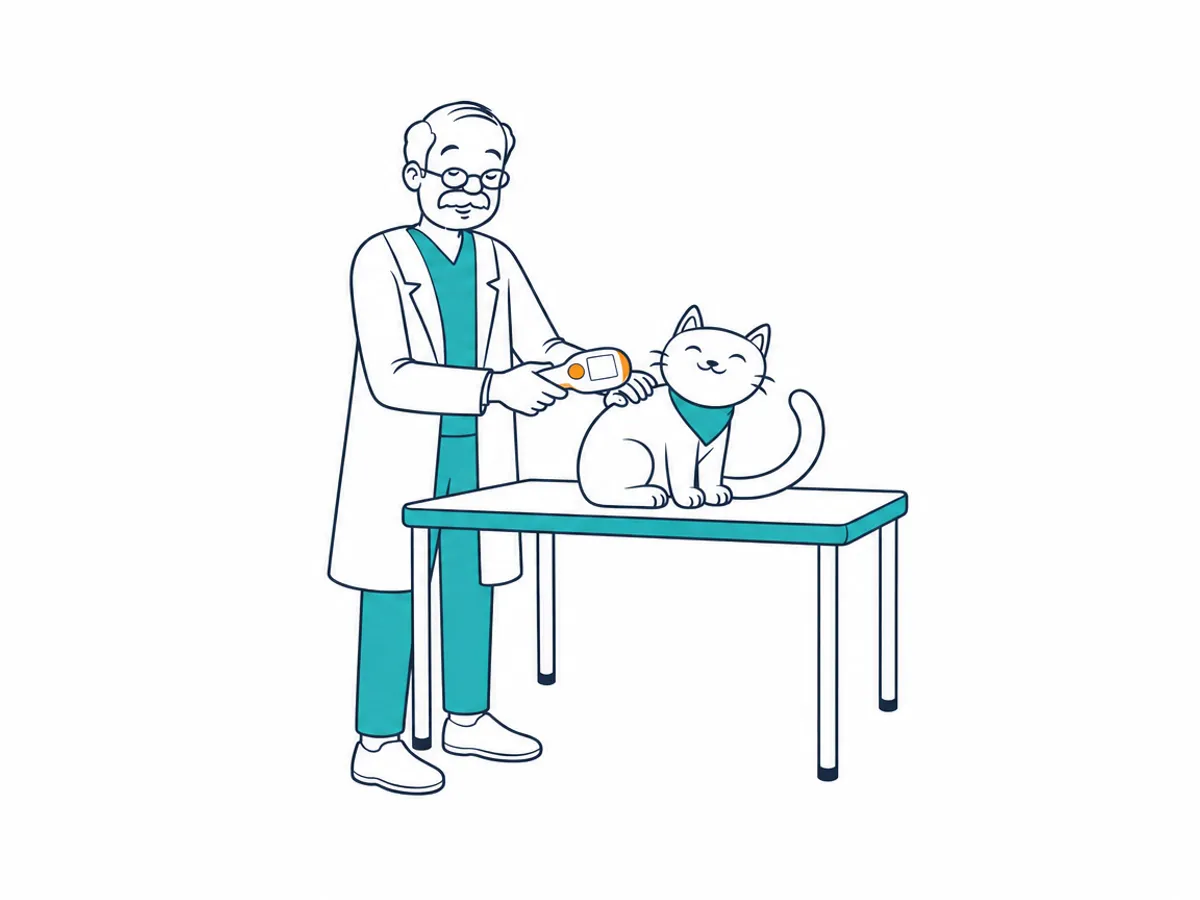
Take your hamster for a check-up soon after you buy or adopt it. That first visit helps to detect problems early and starts its medical record. The vet will usually examine:
- Mouth, teeth and cheek pouches.
- Eyes and ears.
- Feet and belly.
Deworming: only if your vet recommends it
The vet may test a stool sample for parasites or bacteria. From there, they will tell you whether any treatment is needed. Do not use parasite products meant for dogs or cats or improvise doses: in such a small animal, a mistake can be serious.
Hamster care at home: cage, bedding and wheel
The enclosure must allow burrowing, exploring and running in a wheel without arching the back. Blue Cross recommends a floor area of at least 100 × 50 cm and a height of 50 cm, with a digging area containing at least 20 cm of bedding. Total enclosure height is not the same as bedding depth. Also look for:
- Paper bedding. Avoid cedar and pine shavings.
- A wheel with a solid running surface, not bars, and large enough for comfortable running without trapping feet.
- Hiding places and nesting material, such as clean hay or unprinted paper.
- A stable temperature, roughly between 18 and 26 °C.
Outside the cage, always supervise it: it may chew cables or crawl into gaps it cannot get out of. Do not use exercise balls, even with supervision: they restrict ventilation and prevent the hamster from retreating, drinking or hiding. Use a secure playpen with hiding places instead.
Alone or with company?
It depends on the species. Syrian and Chinese hamsters are not naturally sociable and should always live alone. Some dwarf hamsters, such as the Roborovski or the Russian dwarf, can sometimes live in pairs or trios, but only if the group was formed early in life, ideally among littermates, and they have space and several shelters. They do not need company to thrive: individual housing avoids fights. Do not introduce a new adult to a group; consult an exotic animal vet if you already keep several together.
Hamsters do not “play-fight”: any sign of fighting must be taken seriously and the animals separated.
Diet and hygiene
The basis of the diet should be a complete food formulated for hamsters; Merck recommends one with 15-20% protein. You can add small amounts of fruit, vegetables or rodent treats, as long as they do not exceed 10% of what it eats. Limit seeds, because hamsters tend to prefer them to pellets and the diet becomes unbalanced.
Other basics:
- Fresh water at all times, and check and clean the bottle daily so it does not get blocked.
- Things to gnaw, such as safe wooden blocks: their incisors grow throughout life and need wearing down.
- Gloves when cleaning the cage and well-washed hands afterwards. Some hamster diseases, such as salmonellosis or ringworm, can pass to people.
Common hamster diseases
Wet tail
This is one of the best-known diseases and mainly affects young hamsters. It is often linked to stressful situations such as travel, overcrowding, another illness or a change of diet. You will see wet fur around the tail, lethargy, poor appetite and weight loss. It needs prompt veterinary care, and the hamster should be separated from others.
Dental problems
If the teeth do not wear down properly, they can overgrow. Typical signs are drooling, poor appetite and weight loss, and sometimes facial swelling. Your vet can assess whether treatment is needed.
When to see the vet
Book an appointment as soon as possible if your hamster shows any of these signs:
- It is inactive or not eating.
- It loses or gains weight for no apparent reason.
- It has discharge from the eyes, ears or nose.
- It sits hunched or walks strangely.
- It has a scruffy coat, diarrhoea or difficulty breathing.
If you notice diarrhoea with marked lethargy or difficulty breathing, treat it as an emergency. In such a small animal, it is not wise to wait and see if it improves. This guide does not replace a consultation with your vet.
Adopting a hamster or finding it a new home
If you are thinking of getting a hamster, you can start with the hamsters for adoption on Miwuki Pet Shelter (in Spanish), where you will meet animals already looking for a family. And if a change in circumstances means you can no longer care for yours, you can give up your hamster for adoption responsibly rather than releasing it or leaving it in poor conditions.
To bring an organised history to appointments, you can keep your pet’s care records and reminders in Miwuki Pet Life. Always follow your vet’s individual advice.
If you also live with dogs or cats, Miwuki veterinary insurance for dogs and cats is a product for those species, not for your hamster. Arrange care for the latter with an exotic animal vet.
Conclusion
Your hamster does not need vaccines, but it does need a vet check-up when it arrives, a cage with good bedding and a safe wheel, a balanced diet, hygiene and plenty of observation. If its species is solitary, respect that; and if you notice any change in its behaviour or appearance, consult an exotic animal vet.