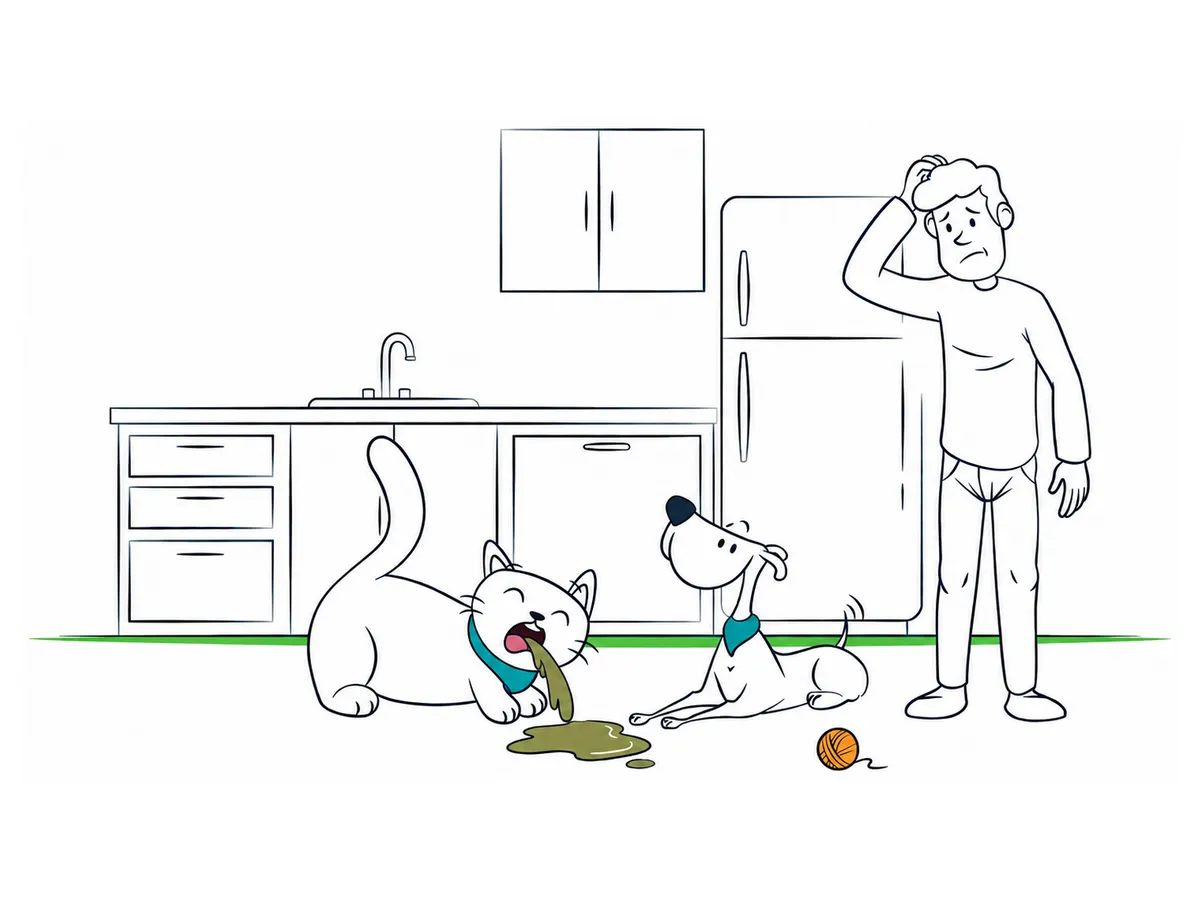
Cat reaction to flea treatment: side effects and what to do
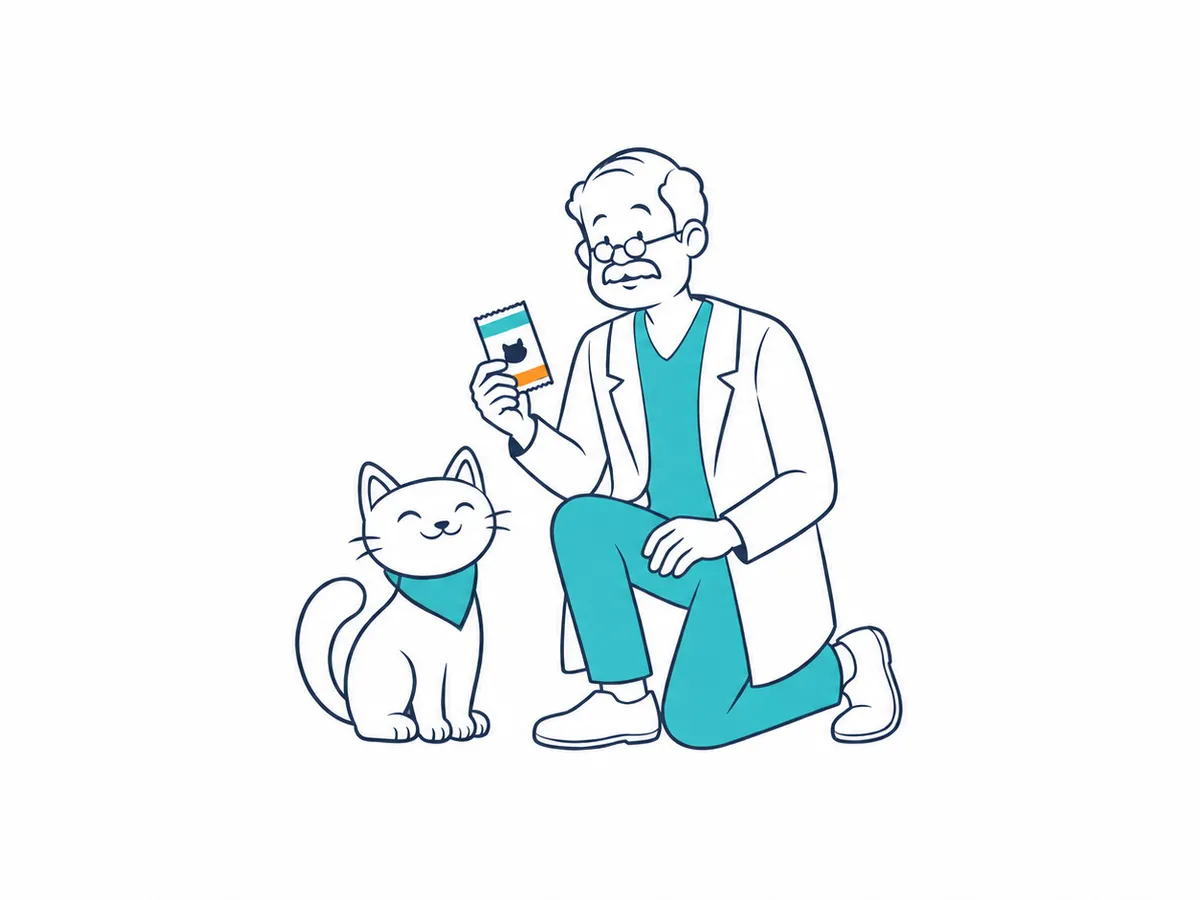
If your cat has tremors, twitching, loses their balance, has a seizure or struggles to breathe after a spot-on flea treatment, it is an emergency: call your vet straight away with the packaging in your hand. The risk is greater if a dog product was used, because many contain permethrin, which is highly toxic to cats. Other reactions, such as itching or irritation where the product was applied, are usually milder, but they should also be checked.
First, the urgent part: never use a dog spot-on on a cat
A particularly serious risk after applying a flea treatment to a cat is permethrin poisoning. Permethrin is an insecticide commonly found in dog parasite treatments. International Cat Care explains that a cat’s liver cannot break certain chemicals down into a harmless form, so they build up and cause serious illness. Even a very small amount of permethrin can poison a cat.
That is why using “a bit less” of a dog spot-on, or splitting one, is not safe. Poisoning can also happen indirectly:
- When a cat rubs against a recently treated dog or sleeps with them.
- When a cat grooms that dog and swallows the product.
- When a dog product is applied by mistake instead of the cat’s.
If you have a dog and a cat, International Cat Care and the PDSA recommend keeping them apart for 72 hours after treating the dog with permethrin, or choosing a permethrin-free product for the dog. Ask your vet which option suits you.
Symptoms of permethrin poisoning in cats
According to the PDSA, signs usually appear within a few hours, although they can take up to 36:
- Drooling.
- Tremors, twitching or muscle spasms.
- Oversensitivity to touch and sound.
- Loss of balance or coordination.
- Dilated pupils.
- Seizures and difficulty breathing in severe cases.
Cases caught and treated early tend to do well; cats who arrive with twitching or seizures have a worse outlook. Every hour counts.
What to do if your cat reacts to flea treatment
- Call your vet or a 24-hour emergency vet immediately. Have the packaging and leaflet in front of you: product name, whether it is for dogs or cats, when you applied it and how much.
- Stop your cat licking the area and stop other animals grooming them.
- If the spot-on contained permethrin or was made for dogs, remove it as soon as possible. The PDSA, a UK veterinary charity, advises washing the area straight away with warm water and a mild soap, rinsing well. Do it only if your cat tolerates it without risk to either of you, and without delaying the call or the trip.
- Do not give medicines or home remedies, and do not apply another parasite treatment “to make up for it”.
- Take them in a carrier, somewhere calm with little light and noise.
This guide is for information only and does not replace an assessment by a vet. If you are unsure whether to wait or go, go.
If your cat has tremors, seizures or difficulty breathing, do not attempt a bath: call an emergency vet and arrange immediate transport. Do not put your hands in their mouth. An unstable cat needs decontamination by the veterinary team.
Mild reactions: drooling, itching and irritation at the site
Not every reaction is serious poisoning, but none should be ignored, especially the first time you use a product.
If your cat has licked it
If your cat manages to lick the application site, they may drool heavily or foam at the mouth. Even if the product is for cats, call your vet with the packaging so they can decide whether monitoring is enough. To prevent it, follow the application sites specified in the leaflet, applying to the skin beyond your cat’s licking reach, and keep animals apart until it dries so they do not groom each other.
Can flea treatment cause an allergic reaction?
Yes, reactions can happen. The Merck Veterinary Manual notes that cats in particular can have skin hypersensitivity reactions after a spot-on parasite treatment, with temporary periods of excessive grooming, oversensitivity to touch, agitation or subdued behaviour.
If the skin looks red, sore or hairless at the site, or the discomfort does not settle, contact your vet. They will decide whether to change the product or format, for example to a tablet.
My cat is scratching a lot after flea treatment: possible causes
Itching after a spot-on can have several explanations, and not all of them are about the product:
- A skin reaction to the treatment itself, as described above.
- Fleas that are still biting. Many products need some time to work, and new fleas may keep arriving from the environment.
- Flea allergy dermatitis. According to the ESCCAP guideline, animals allergic to flea saliva suffer intense itching, hair loss and scabs, while non-allergic animals scratch only a little.
- Other causes, such as mites or food or environmental allergies, which your vet should rule out.
If the itching lasts more than a few days, there are scratch wounds or the coat looks badly damaged, book an appointment.
My cat still has fleas after flea treatment: why it happens
Seeing fleas after treatment does not, by itself, show that the product has failed. Possible explanations include:
- The flea life cycle. The ESCCAP guideline explains that the adult flea is the only stage that lives on the animal; eggs, larvae and pupae are in the environment, especially where your pet rests. The fleas you see are the tip of the iceberg.
- Pupae can last for months. An adult flea can wait inside the pupa for six months or more and emerge when it senses an animal nearby. That is why new fleas keep appearing for weeks.
- Untreated housemates. Your vet should assess all animals in the household and, when needed, choose a product approved for each species, age and weight. Never share spot-ons between species: some dog or cat products are dangerous for rabbits and other animals.
- Incorrect application: on the fur instead of the skin, using a product for the wrong weight, bathing too close to application or stretching the interval between doses.
The Merck Veterinary Manual sums up that many apparent product failures are due to massive reinfestation from the environment, incorrect use or unrealistic expectations. Vacuum carpets, sofas and corners thoroughly, and wash your pets’ blankets and beds. You will find more advice in our guide to getting rid of and preventing fleas and ticks.
How to avoid reactions next time
- Only use products labelled for cats and check the label every time, even if it is the usual one.
- Weigh your cat and choose the size that matches their weight.
- Apply the spot-on directly to the skin at the sites specified in the leaflet, parting the fur well.
- Keep animals apart until the product dries, and for 72 hours if the dog has a permethrin product.
- Keep the packaging and leaflet until the next treatment.
- Watch your cat over the following hours, especially the first time you use a product.
Ideally, your vet should tailor parasite protection to your cat’s lifestyle, whether or not they go outdoors, and to the other animals at home. This guide to deworming and parasite prevention will help you prepare for that conversation.
To bring an organised history to appointments, you can keep your pet’s care records and reminders in Miwuki Pet Life. Always follow your vet’s individual advice.
To plan for future costs, review the terms of Miwuki veterinary insurance for dogs and cats. Cover depends on policy terms, waiting periods and exclusions; emergency care must not wait.
Conclusion
A cat’s reaction to flea treatment can range from passing itchiness to serious poisoning. Tremors, twitching or seizures, especially after using a dog product, are an emergency. If your cat is only scratching or still has fleas, check how the product was applied, agree a plan for the animals and the home with your vet, and talk to your vet before repeating or switching products.