How to keep your cat warm and safe in winter
To keep your cat warm in winter, provide a dry, draught-free resting place, access indoors, and water and a litter tray inside your home. If your cat becomes weak, confused or breathes abnormally after exposure to cold, seek urgent veterinary care: a blanket is not a substitute for treatment.
Do all cats need the same protection?
No. Fur helps, but it does not make a cat immune to cold. Kittens, older cats and hairless cats are particularly vulnerable. Wet fur, time spent outdoors and existing illness also matter. No single thermometer reading guarantees safety for every cat.
If your cat is older or unwell, ask your vet about suitable adjustments before severe cold arrives. Choosing a warm bed alone does not prove hypothermia; a marked change in behaviour deserves attention.
Make a cosy corner without adding hazards
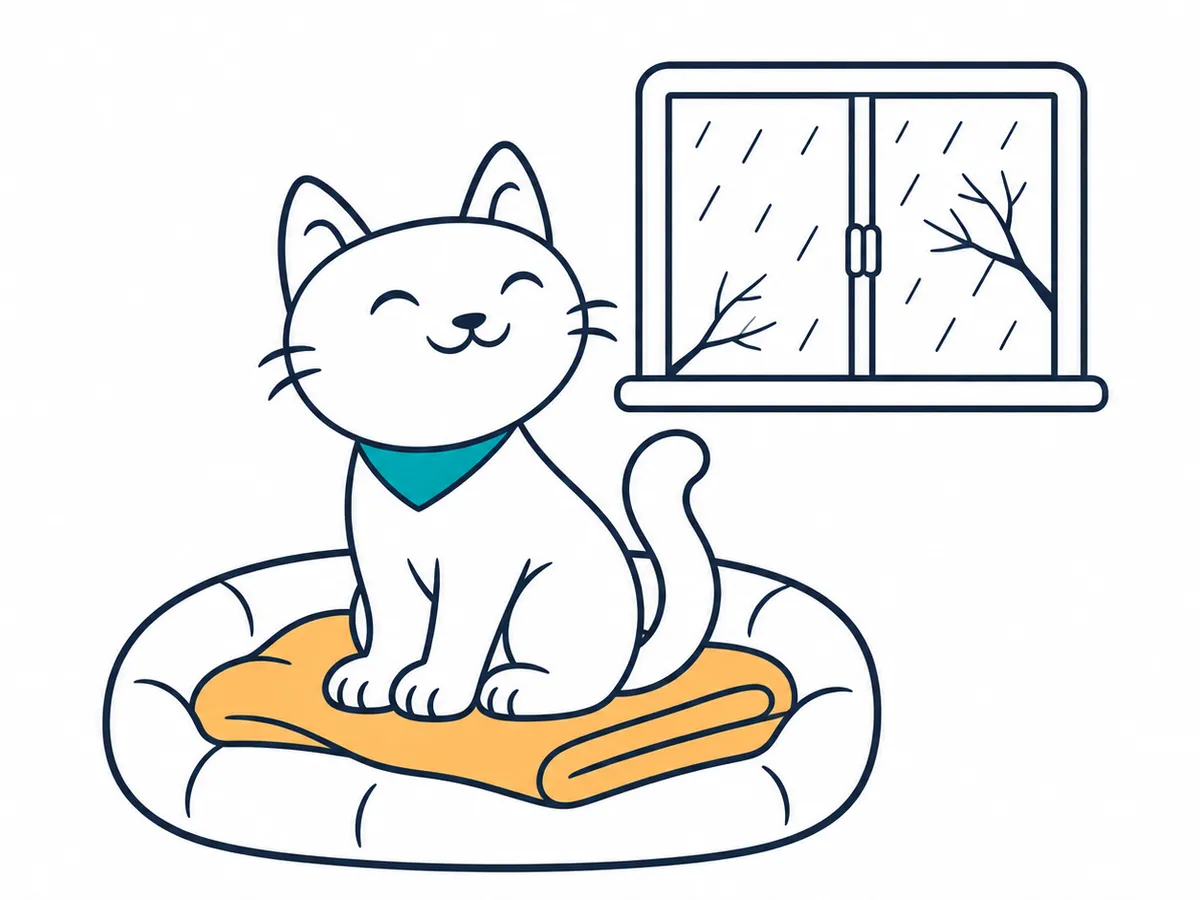
- A dry, accessible bed. Place a clean blanket in a quiet spot away from draughts. A cat who struggles to jump needs an easy-to-reach resting place.
- Safe warmth. Do not place your cat against a heater or put hot objects directly on their skin. Guard fireplaces and supervise their use.
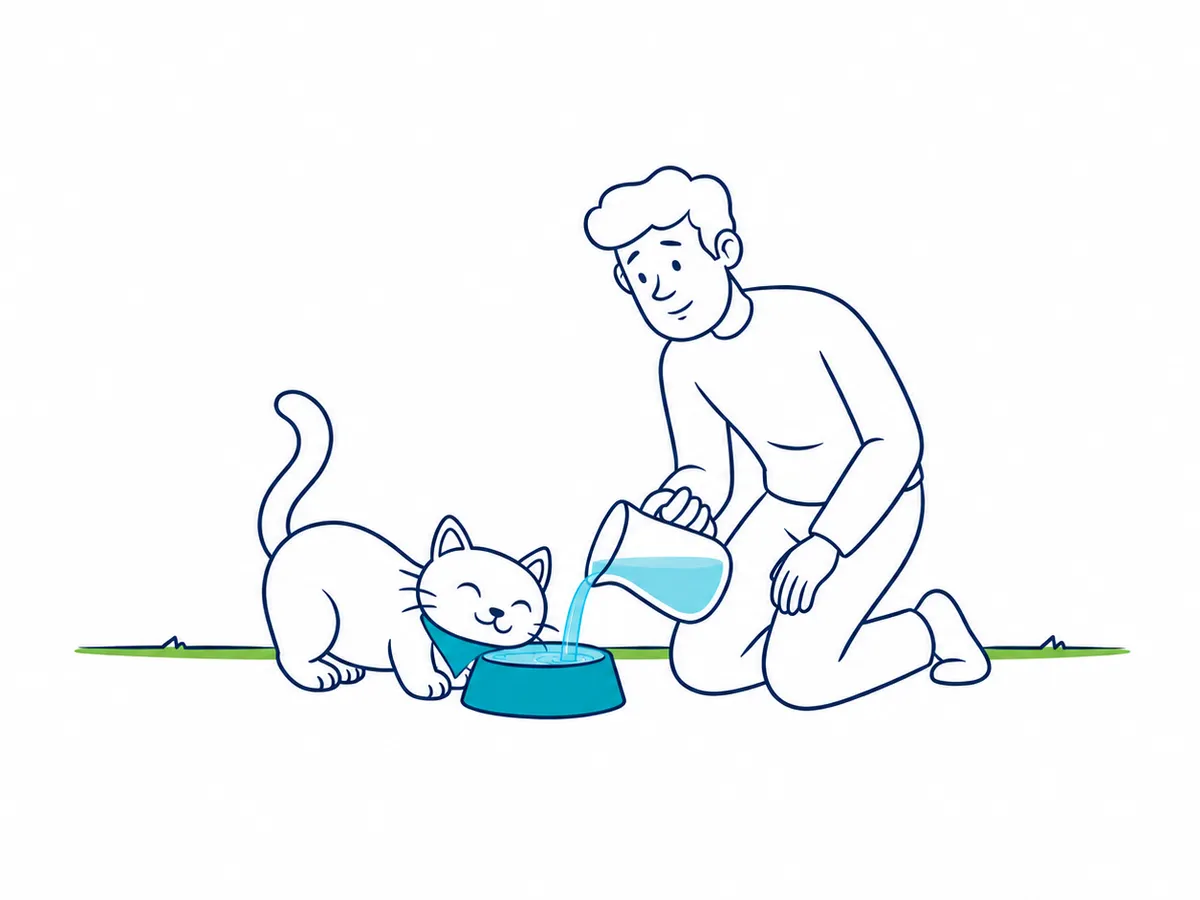
- Indoor resources. Keep water and a clean litter tray accessible even if your cat usually goes outside.
- Daily activity. Make time for play and preserve places to hide and scratch.
Try a simple household check: starting from the bed, look at how your cat reaches water, the litter tray and a way out. If you have rearranged the room around the heating, make sure a closed door has not blocked access to a resource.
Our guide to safe homemade cat toys offers more ideas for play. A warmer home should still give your cat opportunities to explore.
If your cat goes outside, check the way back in
Make it easy to return indoors and avoid leaving your cat out on severely cold nights. Check that the cat flap works and that your cat has not been shut in a shed or garage. Gently towel-dry wet fur on their return.
Before starting your car, check underneath, around the wheel arches and near the engine: cats may shelter there for warmth. Store antifreeze out of reach and clean up spills. If you suspect your cat has licked it, contact a vet immediately; do not wait for symptoms.
If you help outdoor cats, work with their carers to provide shelter from wind and rain, raised off the ground, with water available. Cornell recommends straw for outdoor shelter insulation and advises against fabric or newspaper. A blanket in a dry indoor bed is not the same solution as bedding for a damp outdoor shelter.
Warning signs that need urgent veterinary care
After cold exposure, severe weakness, poor coordination, slow or abnormal breathing and collapse are warning signs. Shivering can stop as hypothermia worsens: stopping shivering does not guarantee recovery.
Call an emergency vet and arrange transport as advised. Meanwhile, move your cat somewhere sheltered and wrap them in a dry blanket without applying intense direct heat. If your cat also stops eating, do not simply put it down to winter.
Mistakes to avoid
- Assuming fur protects a cat in every situation.
- Leaving your cat outside without checking how they can get back in.
- Mistaking unusual stillness or weakness for normal rest.
- Waiting for symptoms after possible antifreeze exposure.
Have your winter plan ready
Write down your usual clinic and emergency vet numbers, who will look after your cat when you are away, and where the carrier is. Share this with their carer so they will not have to search for it during an unexpected problem.
To help organise your cat’s care, explore Miwuki Pet Life. If you are considering protection against future costs, read the terms of Miwuki Veterinary Insurance; an existing emergency needs care without waiting to take out a policy.
Keeping your cat warm starts with suitable shelter and noticing how they are doing. If their general condition changes, seek veterinary advice rather than just adding another blanket.